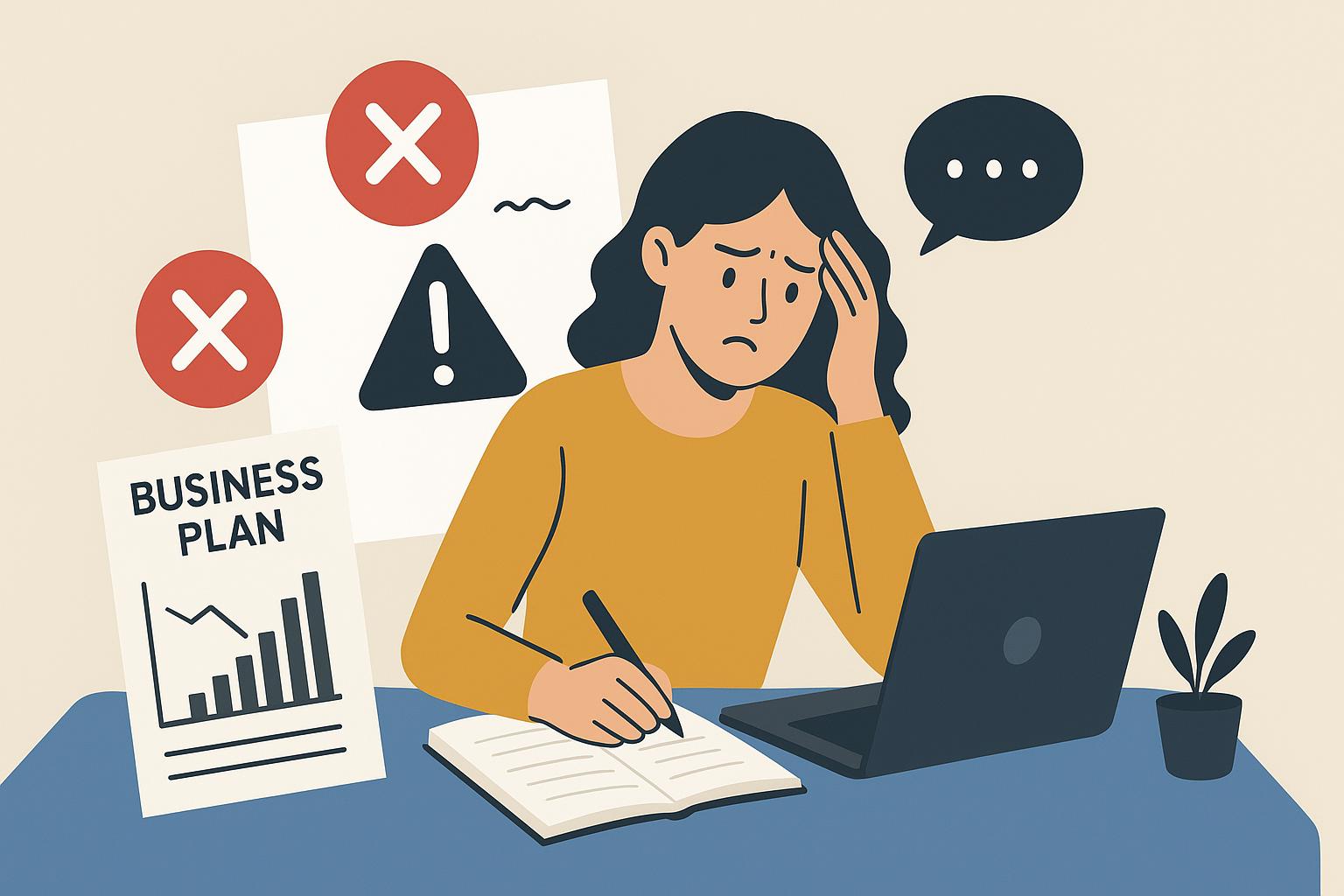


I got fired from my second real job for something that had nothing to do with my actual skills. My boss sat me down and said the work itself was fine, but I couldn’t communicate under pressure, missed deadlines without giving anyone a heads up, and shut down completely whenever feedback felt even slightly critical.
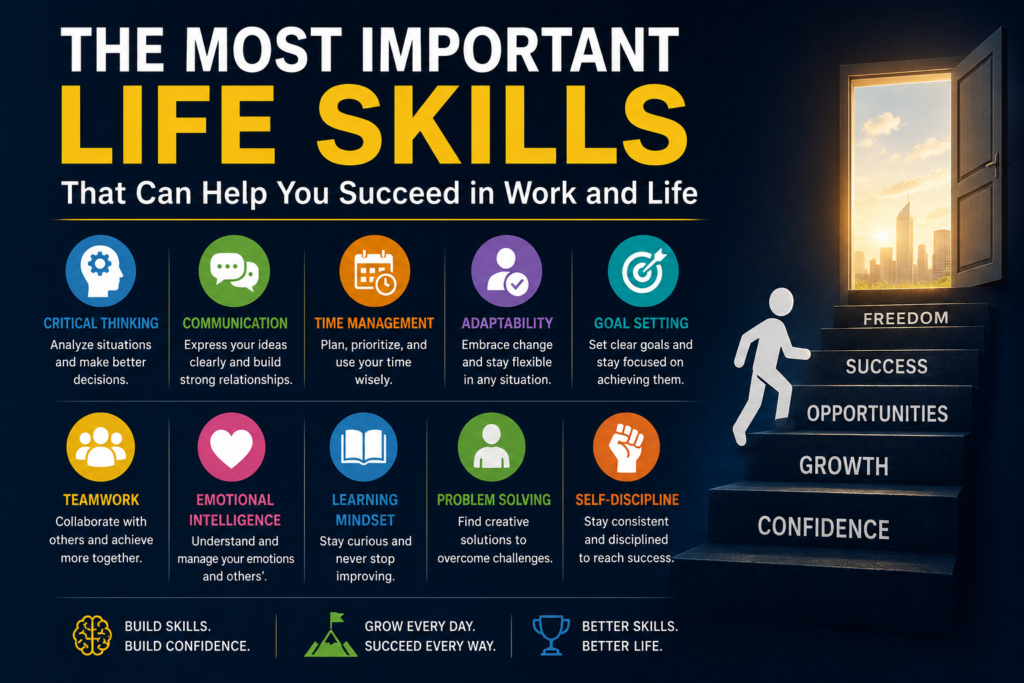
That conversation stung for weeks. I kept thinking about how much time I’d spent in school learning formulas, historical dates, and grammar rules, yet nobody had ever taught me how to handle a hard conversation or manage my own time without a teacher structuring every hour for me.
That job loss became the push I needed to actually work on the skills nobody formally teaches. Over the following years, through plenty of awkward attempts and outright failures, I built up the abilities that eventually mattered far more than any diploma or certification. Here’s everything I learned, including the parts that took embarrassingly long to figure out.
Why Life Skills Matter More Than Most People Realize
Traditional education covers plenty of useful knowledge, but it rarely addresses how to actually function well as an adult. Managing money, communicating clearly, handling conflict, and staying organized without external deadlines all get treated as things you’ll somehow absorb through osmosis.
A Harvard Business Review analysis of workplace performance found that technical skills often matter less than communication, adaptability, and emotional regulation when predicting long-term career success. I saw this play out directly among former coworkers. The most technically skilled person on my old team got passed over for promotions repeatedly because he couldn’t handle feedback without becoming defensive, while a less technically gifted colleague advanced quickly because people genuinely enjoyed working with her.
Communication Skills That Actually Work in Real Situations
Learning to Say Hard Things Without Softening Them Into Mush
For years, I delivered feedback so wrapped in cushioning language that people missed the actual point entirely. I’d say things like “this is probably nothing, but maybe possibly consider looking at this section again sometime,” when what I actually meant was that a section needed significant revision before a deadline.
A mentor eventually pushed me to practice direct, kind clarity instead. Something like “this section needs more detail before Thursday, here’s specifically what’s missing” communicates the same message without unnecessary hedging that leaves people confused about what you actually need.
Active Listening Instead of Waiting for Your Turn to Talk
I used to treat conversations like a queue, mentally preparing my response while the other person was still talking. This habit meant I frequently missed important details and made people feel unheard.
Genuine active listening means fully focusing on what someone says before formulating a response. A simple technique that helped me was repeating back what I heard before responding, something like “so what you’re saying is the deadline moved up because of the client meeting, is that right?” This small habit alone improved my relationships both at work and at home more than almost anything else on this list.
Handling Difficult Conversations Without Avoiding Them
Confrontation terrified me for most of my twenties, so I avoided necessary conversations for months at a time, letting small issues grow into resentment. A roommate situation once escalated badly simply because I never mentioned that unpaid utility bills were bothering me until I’d already built up months of quiet frustration.
Now I follow a simple structure when addressing conflict. State the specific situation factually, explain how it affects you, and propose a solution. Something like “the utilities have been split unevenly for three months, this is straining my budget, can we set up automatic even splitting going forward” removes blame while still addressing the real issue directly.
Time Management Skills That Actually Stick
The Two-Minute Rule for Small Tasks

Productivity expert David Allen popularized this idea in his book Getting Things Done, and it genuinely changed how I handle small tasks. If something takes under two minutes, do it immediately instead of adding it to a list for later.
Replying to a quick email, hanging up a coat, or filing a single document all fall into this category. Before adopting this rule, small tasks piled up into overwhelming backlogs that took entire weekends to clear.
Time Blocking Instead of Endless To-Do Lists
My to-do lists used to stretch endlessly, with tasks rolling over day after day without ever getting real attention. Switching to time blocking, where specific hours get assigned to specific tasks on an actual calendar, fixed this almost immediately.
Apps like Google Calendar or Notion work well for this, though even a simple paper planner accomplishes the same goal. The key difference from a regular to-do list is that time blocking forces you to confront how much time tasks actually require instead of listing them without any real commitment.
Learning to Estimate Time Realistically
I chronically underestimated how long tasks would take for years, which led to constant late nights and missed commitments. A project I estimated would take two hours regularly stretched into five or six.
Tracking actual time spent on tasks using an app like Toggl for a few weeks revealed patterns I’d been ignoring. Once I saw the real data, I started padding estimates by roughly fifty percent, which finally matched reality instead of wishful thinking.
Financial Skills Nobody Taught Me in School
Building a Simple Budget That Survives Real Life
My first attempts at budgeting involved incredibly detailed spreadsheets tracking every single dollar down to the penny. This system lasted about ten days before I abandoned it entirely from sheer exhaustion.
A simpler system using apps like YNAB or Mint eventually stuck because it automated most of the tracking. I assign broad categories, groceries, transportation, entertainment, rather than obsessing over individual purchases, which made the whole process sustainable long term.
Understanding the Difference Between Good and Bad Debt
Nobody explained to me early on that not all debt functions the same way. I treated a low-interest student loan with the same panic as high-interest credit card debt, which led to poor prioritization when paying things off.
Learning that certain debt, like a mortgage or reasonable student loans, can support long-term goals, while high-interest consumer debt actively works against financial stability, changed how I approached paying down balances. I focused aggressive payments on high-interest debt first while maintaining minimum payments on lower-interest obligations.
Building an Emergency Fund Before Anything Else
I used to invest extra money immediately without any cushion set aside first. When my car broke down unexpectedly, I ended up putting repairs on a credit card because I had no accessible savings.
Financial advisors commonly recommend building three to six months of expenses in an easily accessible account before focusing heavily on investing. That buffer, once I finally built it, removed an enormous amount of daily financial anxiety that I hadn’t even realized I was carrying around constantly.
Emotional Skills That Support Everything Else
Handling Criticism Without Shutting Down

That original conversation with my boss stung specifically because I took every piece of feedback as a personal attack rather than useful information. This defensive pattern likely cost me that job as much as the actual performance issues did.
Learning to pause before responding to criticism, even just taking three seconds to breathe, created enough space to respond thoughtfully instead of defensively. Asking a clarifying question like “can you give me a specific example” also transforms vague criticism into something actually actionable.
Managing Stress Without Letting It Manage You
For years, stress showed up as snapping at people I cared about or completely shutting down on tough days. A therapist introduced me to simple grounding techniques, like naming five things I can see and four things I can hear, which interrupts spiraling stress responses effectively.
Regular exercise, even short walks, also reduced my baseline stress levels noticeably over time, something research consistently supports through studies on cortisol regulation and physical activity.
Step-by-Step Plan for Building These Skills Yourself
Step one: Identify your weakest area honestly. Ask a trusted friend, mentor, or even a former manager what skill gaps they’ve noticed. This feedback often reveals blind spots you can’t easily see yourself.
Step two: Pick one skill to focus on for a full month. Trying to improve communication, time management, and finances all simultaneously usually leads to improving none of them meaningfully.
Step three: Practice in low-stakes situations first. If direct communication feels intimidating, practice with a close friend or family member before attempting it in a high-pressure work situation.
Step four: Track specific moments of improvement. Write down instances where you successfully applied a new skill, even small ones. This record builds confidence and reveals patterns in what triggers old habits to resurface.
Step five: Seek outside accountability. A mentor, coach, or even an honest friend checking in regularly dramatically increases follow-through compared to trying to improve entirely alone.
Real Examples of These Skills Making a Difference
A former colleague transformed her career trajectory almost entirely through improved communication. She started using the direct feedback structure mentioned earlier during performance reviews with her own team, and within a year, her department’s retention rate improved noticeably because employees finally understood expectations clearly.
My own brother struggled with chronic lateness on bills for years until he set up automatic time blocks for financial admin every Sunday evening. That single hour each week eliminated late fees entirely and reduced the anxiety he used to feel every time an envelope arrived in the mail.
I personally watched my own relationships improve dramatically once I started applying active listening consistently. My spouse mentioned, completely unprompted, that conversations felt different, more like being heard rather than just waiting for a turn to speak.
Common Mistakes People Make When Building Life Skills
Assuming these skills should come naturally by adulthood. Nobody automatically knows how to budget, communicate under pressure, or manage time effectively. These are learned skills, not innate personality traits.
Trying to fix everything simultaneously. Attempting to overhaul communication, finances, and time management all at once usually leads to giving up on all three within weeks.
Avoiding practice because of fear of failure. Skills like direct communication feel awkward initially. Avoiding practice because early attempts feel clumsy just delays eventual improvement.
Comparing your progress to someone else’s timeline. Some people develop these skills earlier due to circumstances or mentorship. Comparing your current stage to someone else’s years of practice creates unnecessary discouragement.
Ignoring emotional skills while focusing only on practical ones. Time management and budgeting matter, but without emotional regulation and communication skills, even well-organized plans tend to collapse under real-world stress.
Final Thoughts
That firing years ago felt devastating at the time, though looking back, it became the exact push I needed to develop skills that mattered far more than my technical abilities ever did on their own. The formulas and dates from school faded from memory long ago, but direct communication, realistic time estimates, and emotional regulation show up in literally every part of my life now.
None of these skills developed overnight, and honestly, I still catch myself slipping into old defensive patterns occasionally, especially during particularly stressful weeks. What changed is the recovery time. Old patterns used to control me for days. Now they last minutes before I catch myself and adjust.
Pick one skill from everything above that resonates with where you’re currently struggling. Practice it deliberately for the next month, in small low-stakes situations at first. These abilities compound over time in ways that formal education rarely addresses directly, and building them deliberately puts you ahead of most people who assume these skills should just show up automatically with age.