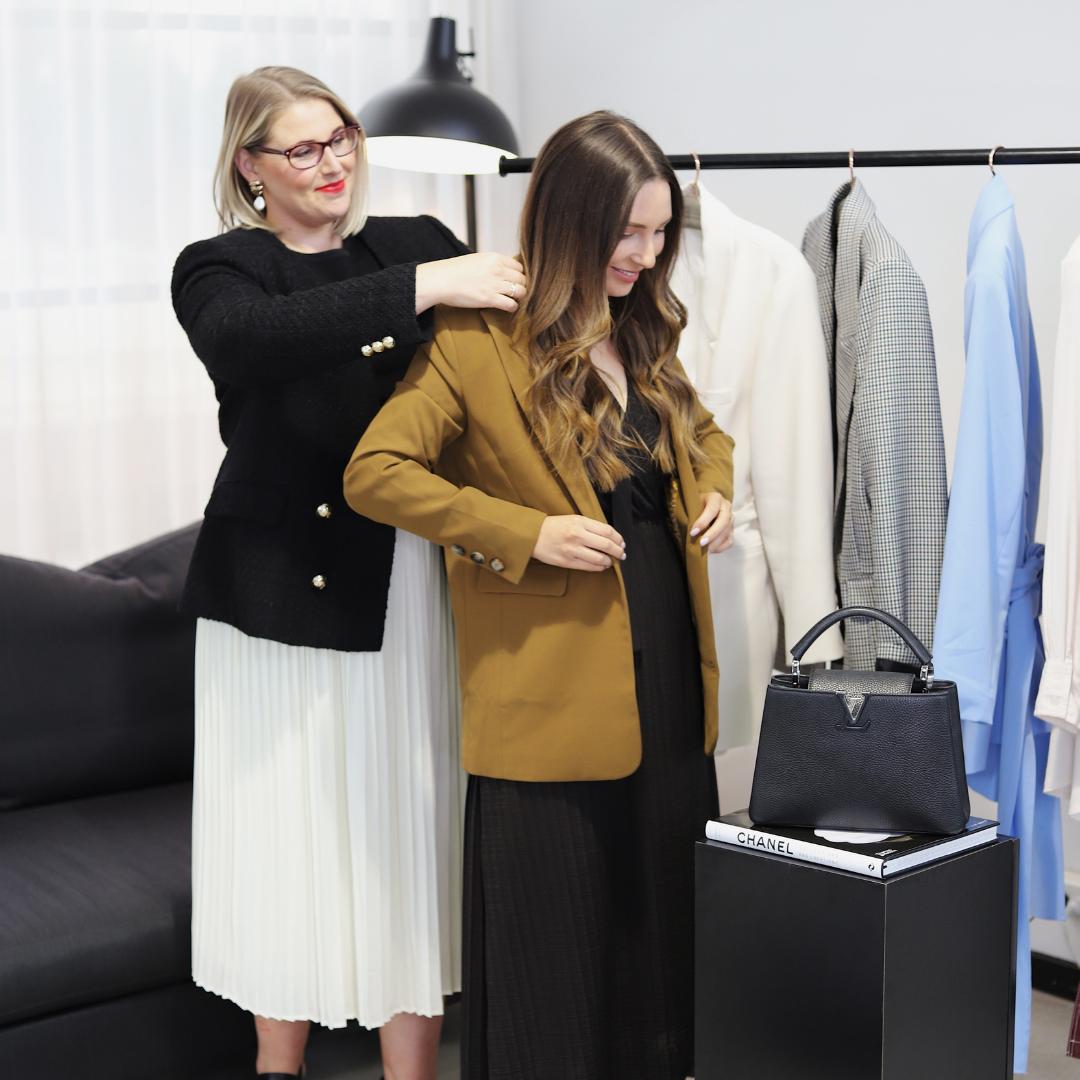

I still remember standing in a fitting room at a discount store, staring at a blazer that cost twelve dollars, wondering why it looked better on me than the ninety dollar one I bought two months earlier. That moment changed how I shop. It taught me something nobody tells you growing up: looking expensive rarely has anything to do with how much you spent.
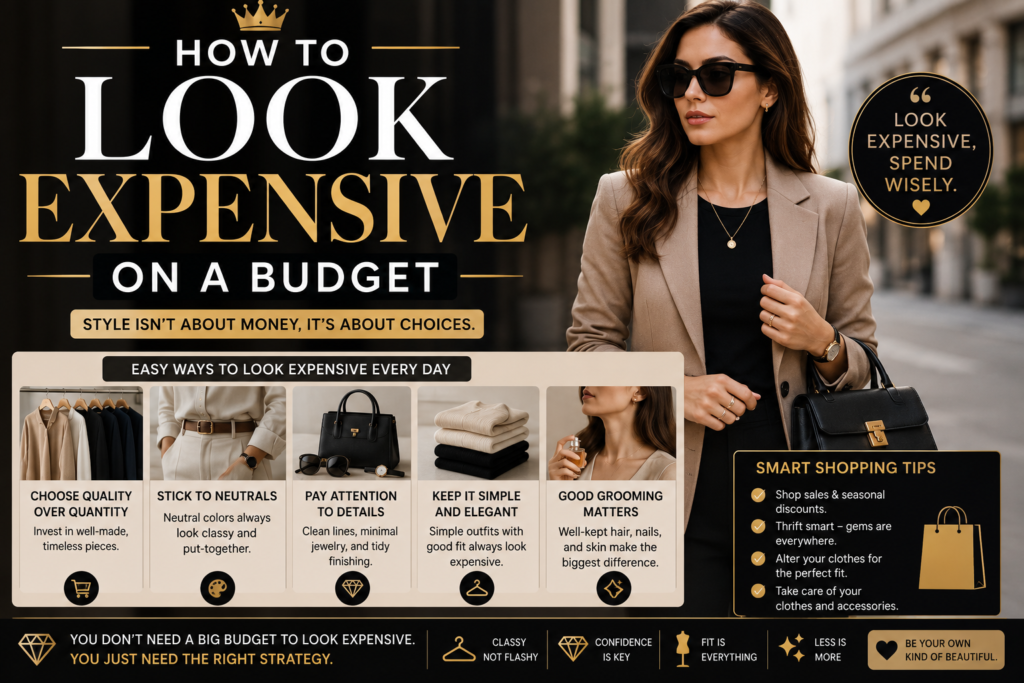
For years I assumed rich-looking people just had rich budgets. Then I started paying attention. A friend of mine works part time at a bakery and dresses better than most executives I know. Another friend inherited money and somehow always looks like he just rolled out of bed in wrinkled clothes. Price tags were clearly not the whole story.
Once I noticed the pattern, I could not unsee it. Coworkers earning modest salaries walked into meetings looking sharper than clients paying six figures for consulting work. Neighbors driving old cars stepped out looking like they belonged on a magazine cover, while people with brand new vehicles sometimes looked like they had given up entirely on their appearance.
That contradiction bothered me enough to actually dig into it. Late nights went into reading tailoring forums and watching thrift store haul videos, paying close attention to what separated the good finds from the disasters. Slowly, a pattern emerged that had nothing to do with income and everything to do with habits.
This article is everything I have picked up from years of trial, error, embarrassing outfit choices, and a few genuine breakthroughs. No fluff, no fantasy shopping lists. Just real tricks that actually work on a normal income.
Why Looking Expensive Has Nothing to Do With Money
Here is the uncomfortable truth. Expensive-looking style is mostly about attention to detail, not dollar amount. Rich people are not walking around in flashy logos most of the time. Quiet, well-fitted, well-maintained clothing reads as wealth far more than anything loud.
Think about the last time you saw someone who looked put together. Chances are you could not name a single brand they were wearing. You just noticed they looked clean, sharp, and intentional. That feeling is what we are chasing here, and it costs a fraction of what people assume.
I learned this the hard way after spending way too much on a designer wallet that fell apart within a year. Meanwhile a fifteen dollar leather wallet from a local market has lasted me four years and still looks sharp. Quality and price are not always connected, especially once you know what to look for.
The Wardrobe Mistakes I Made Before I Figured This Out
Before getting into what works, let me admit what did not. This part matters because mistakes teach faster than any tip list.
I used to buy clothes based purely on how trendy they looked online. Half of them never fit right in person. A shirt that looked sleek on a model turned into a baggy mess on me, and I kept wearing it anyway because I had already spent the money.
I also ironed nothing. Absolutely nothing. I thought wrinkles were just part of casual style. Turns out a wrinkled shirt instantly makes even good clothing look cheap, regardless of the brand stitched inside.
Another mistake was mixing too many colors and patterns at once. I genuinely believed more variety meant more style. It just made me look like I got dressed in the dark. Once I simplified my color choices, people started commenting that I looked “put together,” which never happened before.
Step-by-Step: Building a Wardrobe That Looks Expensive
This is where things get practical. These steps are not theory. They come from years of adjusting, failing, and slowly getting it right.
Start With Fit, Not Price
Fit beats fabric every single time. A five dollar thrifted shirt that fits your shoulders correctly will always look better than a fifty dollar shirt drowning your frame.
Try this test next time you shop. Ignore the price tag completely and just check three things: shoulders, waist, and length. If those three fit naturally, the item is worth considering no matter where it came from.
Tailoring is the secret weapon almost nobody talks about enough. A local tailor can take in a baggy shirt or hem pants for a small fee, often under ten dollars depending on where you live. That tiny investment can transform a bargain bin find into something that looks custom made.
Stick to a Tight Color Palette
Rich-looking closets usually rely on a small, coordinated color scheme. Think navy, black, white, gray, beige, and maybe one accent color. Everything mixes and matches easily, which makes even a small wardrobe look bigger and more intentional.
I switched to this approach after realizing I owned twenty shirts but somehow “had nothing to wear.” Once I trimmed my colors down, every piece worked with almost everything else. Mornings got faster and outfits looked more cohesive without any extra effort.
Invest in a Few Key Pieces
You do not need an entire expensive wardrobe. You need a handful of pieces that do the heavy lifting.
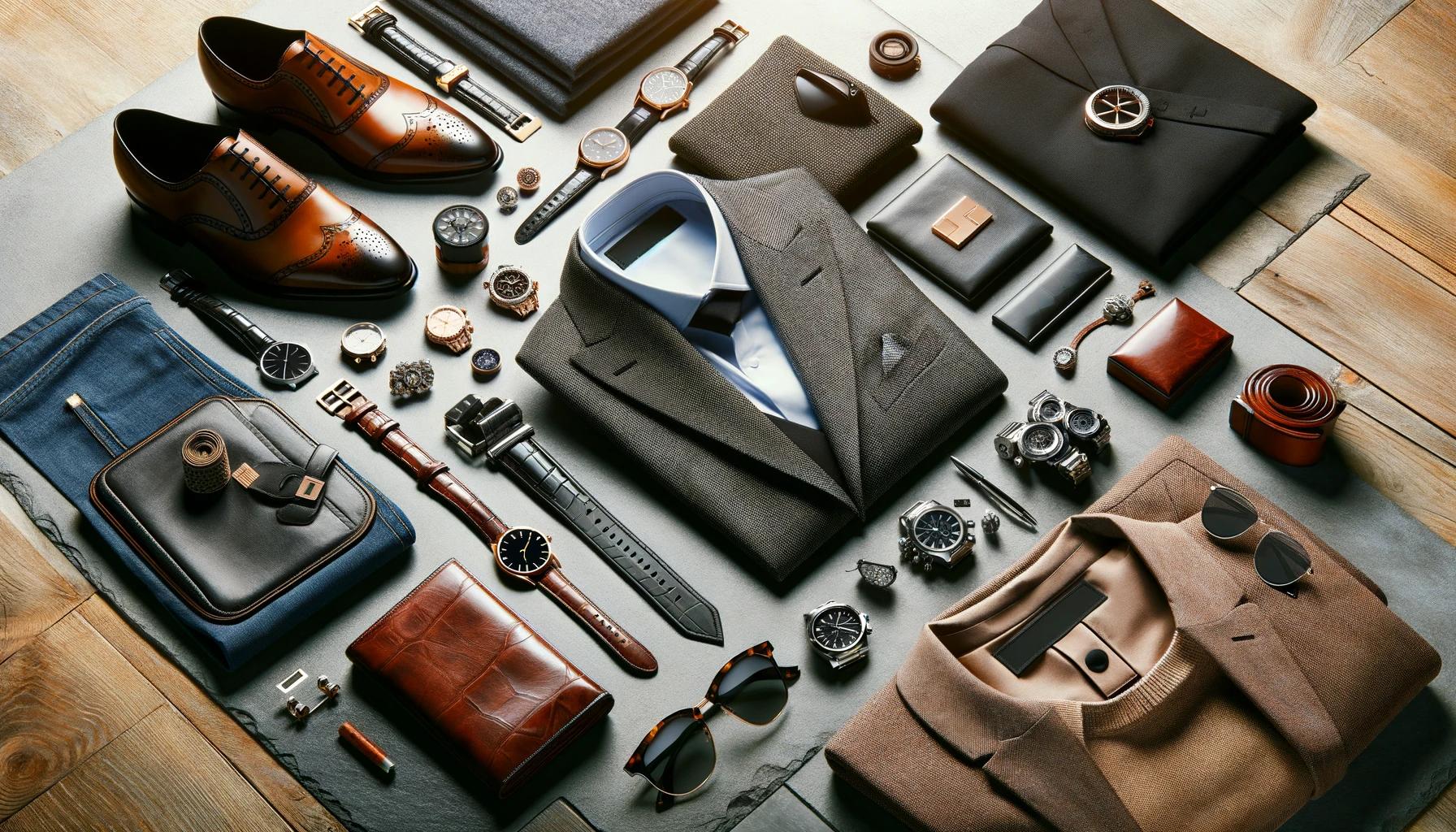
A well-fitted blazer, one clean pair of leather or leather-look shoes, a classic watch, and a solid pair of dark jeans can carry an entire wardrobe. These pieces show up again and again in different combinations, quietly signaling effort without shouting about cost.
I bought my first proper blazer from a clearance rack for around twenty dollars. It still gets worn for interviews, dinners, and even casual outings with a t-shirt underneath. One good piece can outlast a dozen trendy ones.
Iron and Steam Everything
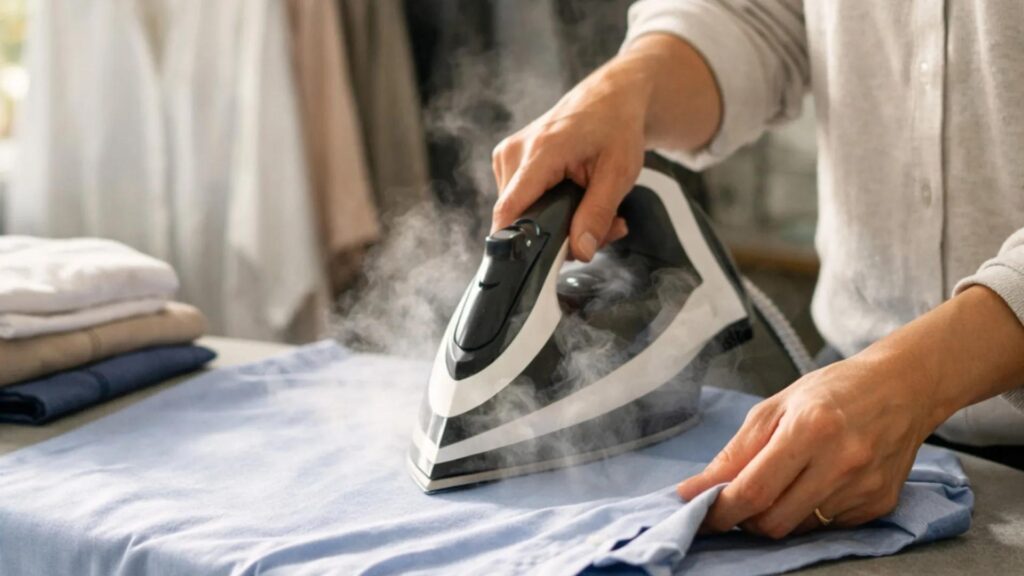
This step is free and most people skip it anyway. A cheap iron or a small handheld steamer instantly upgrades any outfit. Wrinkled fabric, regardless of brand, reads as careless. Smooth fabric reads as intentional.
I bought a small steamer for around fifteen dollars years ago and it remains one of the best purchases I have made for my appearance. Two minutes before leaving the house makes a noticeable difference in how put together you look all day.
Where to Actually Shop Without Overspending
Knowing what to look for only helps if you also know where to find it. This part took me the longest to figure out, mostly through wasted trips and a few lucky finds.
Thrift Stores and Consignment Shops
Thrift stores get a bad reputation, but the good ones are goldmines once you learn how to navigate them. I go on weekday mornings when shelves get restocked and crowds are thinner. Weekends tend to mean picked-over racks and long lines.
Consignment shops sit a notch above regular thrift stores in terms of quality, often carrying barely worn pieces from higher end brands at a fraction of retail price. Prices run slightly higher than a typical thrift store, but the quality difference usually justifies it.
Resale Apps Worth Checking
Apps like Poshmark, ThredUp, and Depop opened up a whole new world for me once I got comfortable using them. Poshmark works well for finding specific brands at a discount, while ThredUp handles sorting and quality checks for you, which saves time compared to digging through physical racks.
Depop tends to lean toward younger, trendier pieces, which works well if that fits your style. Facebook Marketplace, while less organized, occasionally turns up incredible local deals from people simply trying to clear out closets.
Outlet Timing Matters More Than People Think
Outlet stores rotate stock and run deeper discounts at certain points in the month, often right after major holidays or at the start of a new season. Showing up randomly rarely gets the best deals. Checking store apps or signing up for email alerts gives a heads up on upcoming markdowns before the general public notices.
End of Season Clearance
Buying winter coats in February or summer clothes in September sounds backwards, but this timing consistently delivers the deepest discounts. My wool coat mentioned earlier came from exactly this kind of clearance timing, marked down from its original price by more than half.
Grooming and Skincare Tricks That Cost Almost Nothing
Clothes only carry you so far if the rest of your look feels neglected. Grooming plays a bigger role than most people admit.
Clean, trimmed nails instantly make hands look more polished. This costs nothing beyond a basic nail clipper you probably already own. I ignored this for years until a coworker pointed it out gently, and it genuinely changed how people reacted to my handshake.
Skin matters too, but not in the way skincare influencers make it seem. You do not need a ten step routine or expensive serums. A gentle cleanser, a basic moisturizer, and sunscreen cover most of what skin actually needs. I switched from an overpriced skincare set to drugstore basics and noticed zero difference in results, aside from saving money every month.
Hair maintenance matters more than people expect. A fresh haircut, even a basic one, reads as effort and care. You do not need a fancy salon. Local barbershops or budget hair studios often do the job just as well for a fraction of the price.
Eyebrows, for anyone who wants that extra polish, take two minutes to groom with a simple pair of tweezers. Small details like this add up quietly in how “finished” someone looks overall.
Accessories That Punch Above Their Price Tag
Accessories carry more weight than people realize, and they are usually the cheapest part of any outfit to upgrade.
A simple, minimal watch instantly elevates an outfit. Skip logos and flashy designs. A clean leather strap or metal band with a plain face looks far more expensive than something covered in branding.
Sunglasses matter more than expected too. A pair with clean lines and a neutral color reads as polished, while oversized novelty shapes can undercut an otherwise sharp look.
Bags and wallets should lean simple and structured rather than logo-heavy. A plain leather-look tote or crossbody bag in a neutral shade looks far more expensive than something plastered with branding, even if both cost the same amount.
I bought a plain black leather-look belt for under ten dollars years ago, and people still assume it costs much more. Simple, clean design wins over flashy branding almost every time.
Home and Lifestyle Touches That Signal Expensive Taste
Looking expensive extends beyond clothing into how spaces and habits present themselves, especially now that video calls and social posts show glimpses into people’s homes.
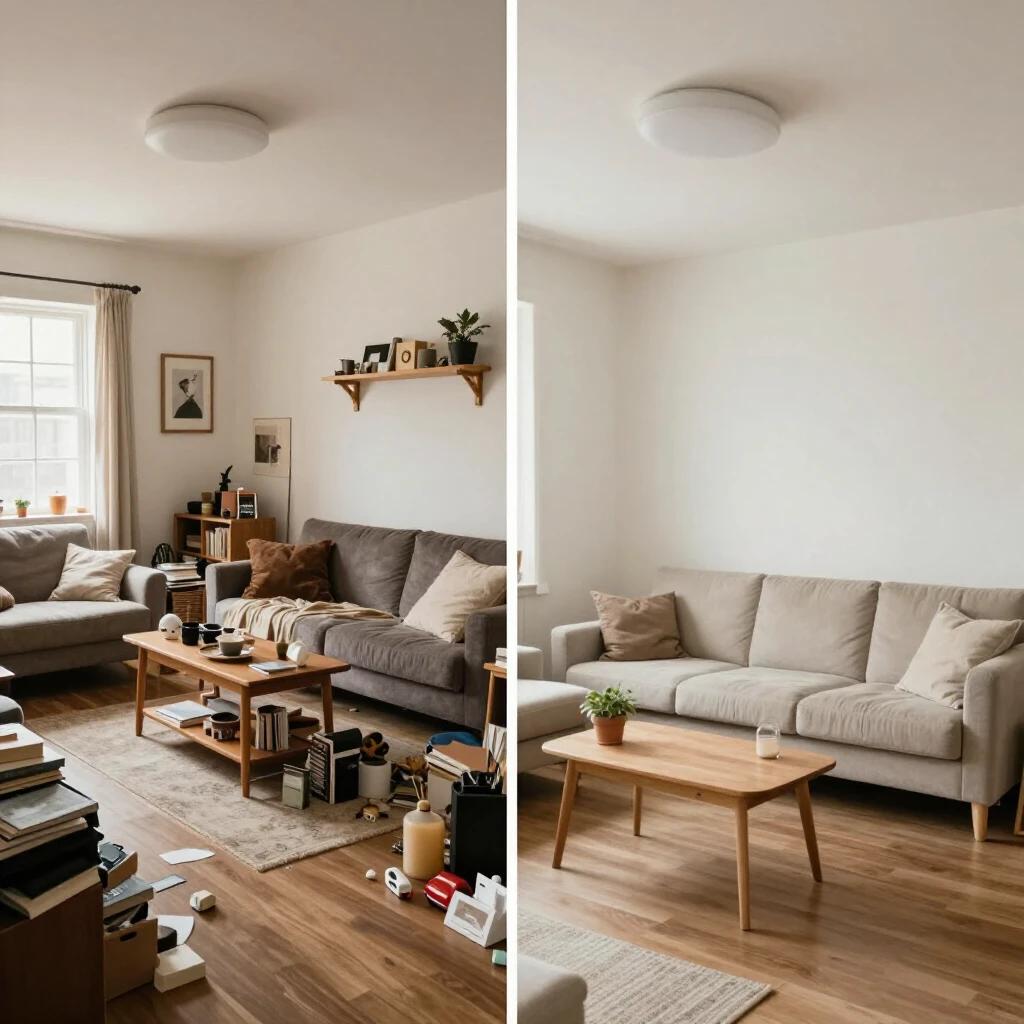
Decluttering a room instantly makes it look more expensive, even without buying a single new item. Clear surfaces, tidy shelves, and organized cords create a calm, upscale feeling that clutter can never achieve, regardless of how nice individual items are.
Lighting changes everything. Swapping harsh overhead bulbs for warmer toned lights creates a softer, more intentional atmosphere. A simple lamp from a budget store can transform a room’s entire mood for less than the cost of a dinner out.
Fresh scents matter more than people expect. A basic candle or reed diffuser makes a space feel considered rather than neglected. This costs very little compared to the impression it leaves on guests.
Common Mistakes to Avoid
Even with all these tips, certain habits quietly undo the effort. Watch out for these traps.
Buying too many trendy pieces at once often backfires. Trends fade fast, and a closet full of once-trendy items usually ends up looking dated within a year. Classic pieces age far better and offer more long term value.
Overdoing logos and branding sends the opposite signal intended. Genuinely expensive style tends to whisper rather than shout. Loud branding often reads as trying too hard rather than effortless wealth.
Neglecting maintenance ruins even good pieces quickly. Scuffed shoes, stretched-out sweaters, and faded colors undercut an otherwise great outfit. Regular care extends the life and appearance of everything owned.
Ignoring fit remains the biggest mistake of all. No amount of expensive fabric saves an outfit that hangs wrong on the body. Tailoring, even minor adjustments, solves this problem more reliably than any amount of spending.
Skipping grooming basics undercuts everything else. A sharp outfit paired with unkempt nails or messy hair sends mixed signals that confuse the overall impression.
Real Examples From My Own Closet
Let me walk through a few specific outfits that taught me the most.
My go-to interview outfit costs less than fifty dollars total. A tailored white button-up from a discount store, dark jeans hemmed by a local tailor, a plain black belt, and simple leather-look shoes. Nothing here has a visible logo, yet I have been complimented on this exact combination more times than any pricier outfit I have owned.
For casual weekends, a plain gray t-shirt tucked into slightly tapered pants with clean sneakers does more work than any flashy graphic tee ever managed. Simplicity photographs better and holds up longer against trends.
For colder months, a basic wool-blend coat found on clearance became my most complimented piece for two winters straight. Nobody ever guessed the price, and honestly, most assumed it cost triple what I paid.
What Photos and Social Media Reveal About Cheap Versus Expensive
Phones capture appearance constantly now, whether people plan for it or not. A quick photo at dinner, a casual selfie, a video call background all become tiny audits of how put together someone actually looks.
Lighting in photos often exposes wrinkled fabric and dull skin more harshly than real life does. Standing near a window or soft light source before taking any photo instantly improves how sharp an outfit or skin tone appears, without editing a single thing.
Background clutter in photos undercuts even a great outfit. A messy room behind a polished person creates a strange contradiction that viewers notice, even subconsciously. Taking two minutes to clear a background before any photo or video call pays off more than people expect.
Camera angles matter too, though this leans more into general presentation than clothing specifically. A slightly raised angle tends to flatter posture and outfit lines better than a low angle shooting upward.
Small Habits That Reinforce the Whole Look
Posture changes how clothing sits and how confident someone appears overall. Standing straight, shoulders relaxed but not slouched, instantly improves how any outfit reads, expensive or not.
Speaking slower and calmer also shifts perception in subtle ways. People associate rushed, nervous energy with less polish, while calm, measured speech feels more composed and confident.
Cleaning shoes regularly matters more than people expect. A quick wipe down before leaving the house takes thirty seconds and prevents scuffed, dusty shoes from undercutting an otherwise sharp outfit.
Keeping a small stain removal pen or wipes handy prevents minor accidents from ruining an outfit for the rest of the day. This tiny habit has saved several important meetings from unnecessary embarrassment.
Laundry habits deserve more attention than most people give them. Washing dark clothes inside out and using cold water preserves color far longer than tossing everything in together on a hot cycle. Faded, dull colors age an outfit faster than almost anything else, regardless of the original quality.
Storing clothes properly extends their life more than expected. Hanging structured items like blazers and shirts prevents the creases that folding often creates, while folding knits and sweaters prevents the stretched-out shoulders that hangers cause over time. This one small change kept my clothes looking newer for years longer than before.
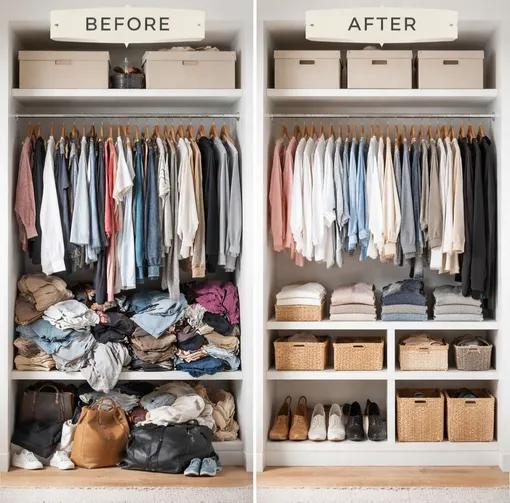
Rotating a wardrobe seasonally also helps. Packing away clothes that are out of season, rather than cramming everything into one closet, keeps daily choices simpler and prevents overcrowded racks that lead to wrinkled, forgotten pieces.
Quick Answers to Common Questions
Can you really look expensive without spending much money at all?
Yes, and fit matters more than price in almost every case. Tailoring a cheap piece so it sits correctly on the body often outperforms an expensive piece bought straight off the rack.
What is the single best budget purchase for looking put together?
A basic steamer or iron tends to deliver the biggest visible improvement for the smallest cost. Wrinkle-free clothing instantly reads as more expensive, regardless of where it came from.
Do brand names matter at all?
Not as much as people assume. Quiet, well-fitted clothing without visible branding often reads as more expensive than loud logos, since heavy branding can suggest trying too hard rather than natural style.
How often should clothes get tailored?
Any new piece that does not fit correctly out of the box is worth taking to a tailor, especially blazers, pants, and dress shirts. Even small adjustments around the shoulders or waist make a noticeable difference.
The Mindset Shift That Made the Biggest Difference
Somewhere along the way, my thinking shifted from buying more to maintaining less. That single change mattered more than any individual tip in this article.
Owning fewer, better cared for items beats owning a closet full of half-forgotten pieces. Twelve outfits worn confidently outperform forty outfits worn carelessly, and the math works out cheaper too once laundry, storage, and impulse purchases get factored in.
Patience plays a bigger role than people expect. Waiting for the right clearance sale, the right thrift find, or the right tailor appointment feels slower than instant online shopping, but the payoff tends to last much longer. Rushed purchases usually end up as regretted purchases sitting unused in the back of a closet.
Confidence ties everything together in a way clothing alone cannot achieve. Someone wearing a simple, well-fitted outfit with genuine confidence often reads as more put together than someone in a flashy, expensive outfit worn with visible discomfort. The way clothing gets worn matters just as much as the clothing itself.
Bringing It All Together
None of this requires a massive budget or constant new purchases. It requires attention, consistency, and a willingness to prioritize fit and care over flashy branding.
Start small. Pick one area, whether that is tailoring an existing piece, decluttering a shelf, or finally ironing that shirt sitting wrinkled in the closet. Small changes compound faster than people expect, and within a few weeks the difference becomes noticeable to everyone around, not just yourself.
Looking expensive was never really about money in the first place. It was always about care, and care is something anyone can afford.