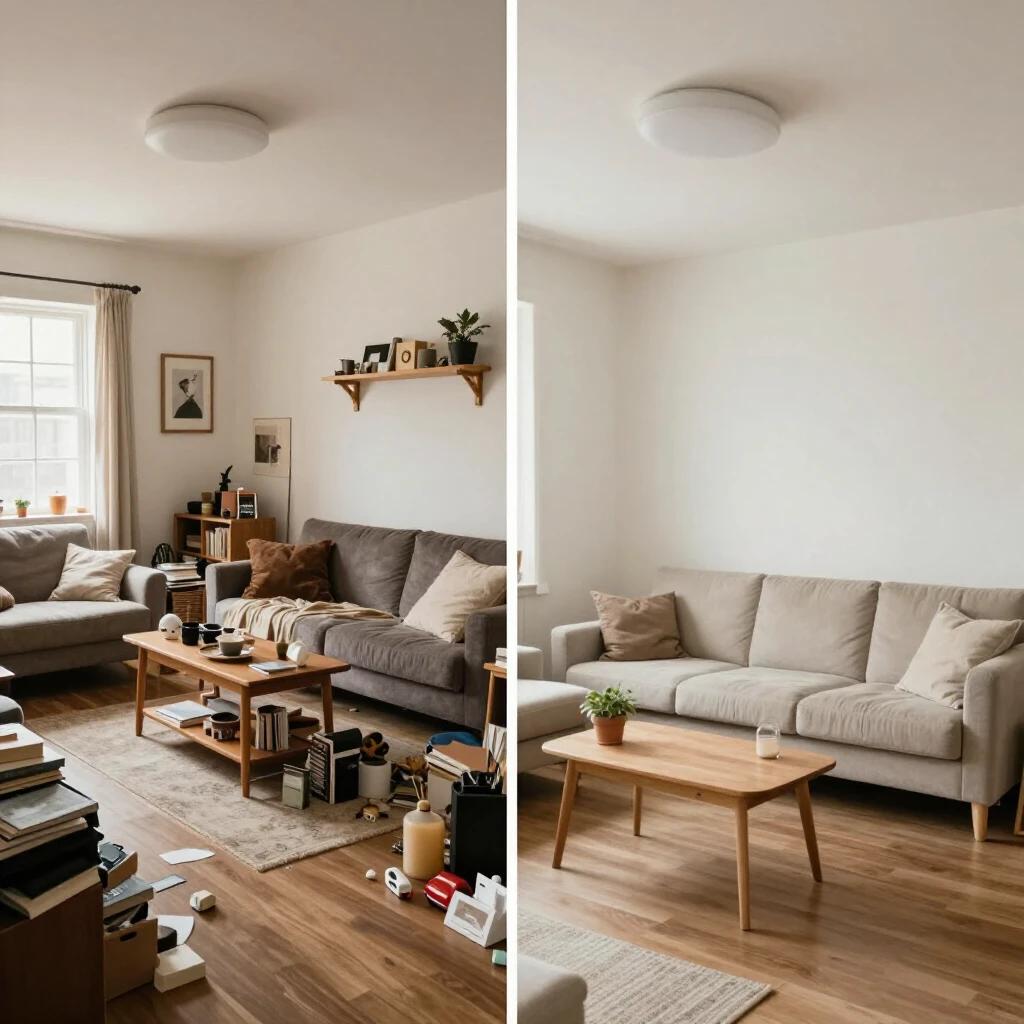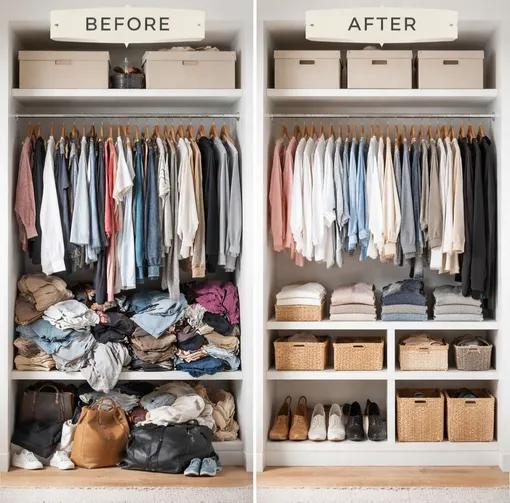

I stood in front of my closet last Tuesday morning with twenty minutes before a meeting, surrounded by clothes I actually like, and I still felt like I had nothing to wear. Shirts pulled off hangers landed on the bed. Two pairs of jeans got tried on and rejected. My reflection looked fine, but fine wasn’t the feeling I wanted walking into that room.
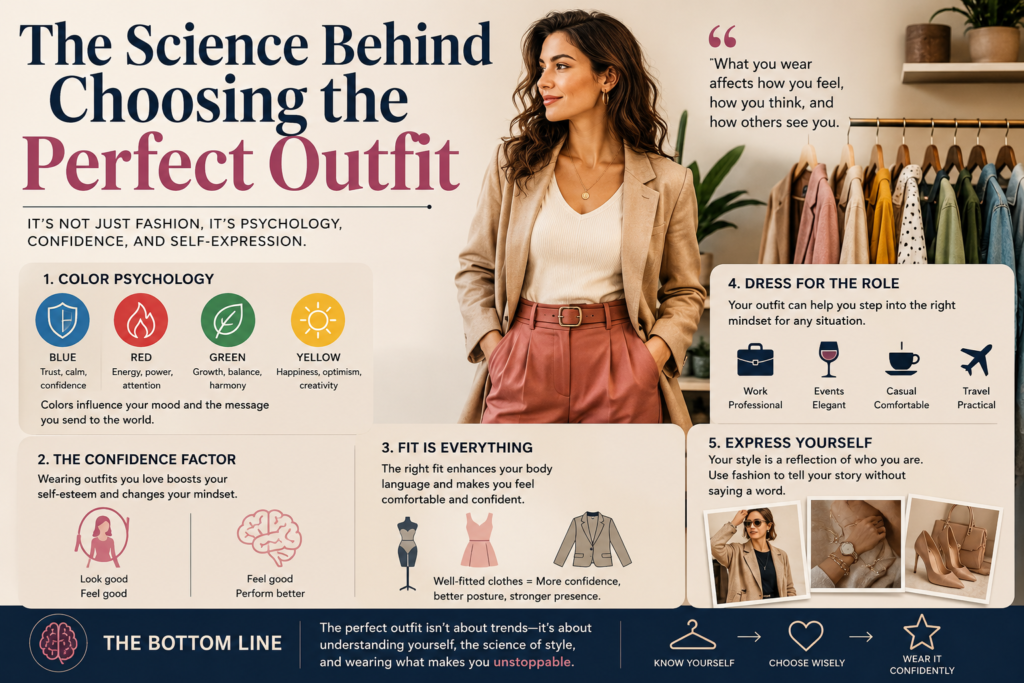
Sound familiar? Most people assume this is a closet problem. Buy more clothes, the logic goes, and the frustration disappears. I tried that for years and it never worked. The real issue was that I was picking outfits based on mood and panic instead of understanding what actually makes an outfit work.
Once I started paying attention to the psychology and visual logic behind dressing well, everything changed. Not in a dramatic makeover way, but in a quieter way where getting dressed stopped being a daily negotiation with myself.
This article walks through what I learned, including the parts I got wrong before I got them right.
Why a Full Closet Still Feels Empty
Psychologists have a name for this: choice overload. Barry Schwartz wrote about it in his research on decision fatigue, and it explains something I felt long before I had the vocabulary for it.
When you have too many options and no system for narrowing them down, your brain treats every morning like a brand new problem to solve. That’s exhausting before you’ve even had coffee.
The people who always seem to look put together aren’t necessarily better dressed. They’ve usually just built a system. Steve Jobs and his black turtlenecks get mentioned so often it’s become a cliché, but the underlying idea holds up. Reducing decisions in one area of life frees up mental energy for everything else.
You don’t need a uniform to benefit from this. You just need a framework so you’re not reinventing your style logic every single day.
Clothes Are Communication Before They’re Fashion
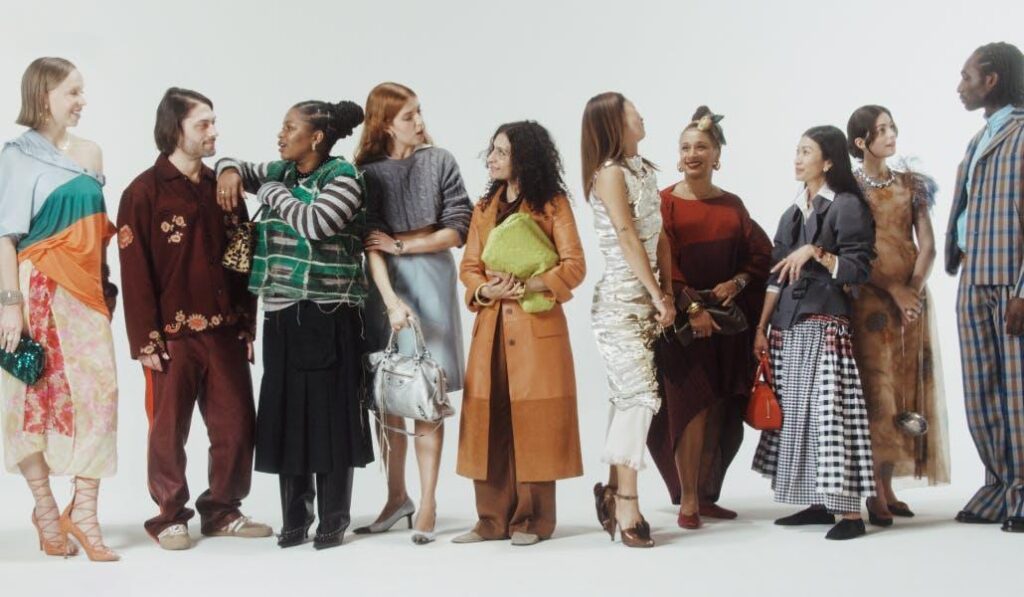
Here’s something that reframed how I think about getting dressed. Research on first impressions, including work referenced by Princeton psychologist Alexander Todorov, suggests people form judgments about competence, trustworthiness, and likability within a few seconds of seeing someone.
Clothing is doing a huge amount of that talking, whether you intend it to or not. A wrinkled shirt reads as rushed. An outfit that fits properly reads as intentional, even if the pieces themselves are simple.
This isn’t about vanity. It’s about matching your outward signal to the message you actually want to send. I learned this the hard way at a client pitch meeting where I wore an outfit that felt comfortable to me but read as sloppy to the room. The pitch went fine. The vibe in that first minute did not.
Since then, I ask one question before leaving the house: does this outfit say what I want it to say before I’ve spoken a single word?
Color Isn’t Decoration, It’s Data
For years I picked colors based on what looked nice in the store mirror. That mirror lied to me constantly, mostly because store lighting is designed to flatter everything.
Color theory gave me a better system. Colors aren’t just aesthetic choices. They carry psychological weight and they interact with your specific skin tone in predictable ways.
Understanding Your Undertone
Before picking colors, figure out whether your skin leans warm, cool, or neutral. A quick trick that actually works: look at the veins on your wrist in natural light. Green veins usually mean warm undertones. Blue or purple veins usually mean cool undertones. Can’t tell? You’re likely neutral, which honestly makes life easier since more colors will suit you.
Warm undertones tend to glow next to colors like olive, mustard, rust, and warm reds. Cool undertones tend to look sharper in navy, emerald, true red, and icy blue. I’m cool toned, and switching from beige basics to navy and charcoal made more difference in how I looked than any diet or haircut ever did.
What Colors Signal to Other People
Beyond flattering your skin, color sends social signals. Navy and gray read as reliable and calm, which is why they dominate boardrooms. Red draws attention and reads as confident, sometimes aggressive, depending on context. Soft neutrals like cream and sand read as approachable.
None of this means you need a rulebook for every outfit. It just means color choices aren’t neutral decisions, even when they feel like it.
The Fit Rule That Changes Everything
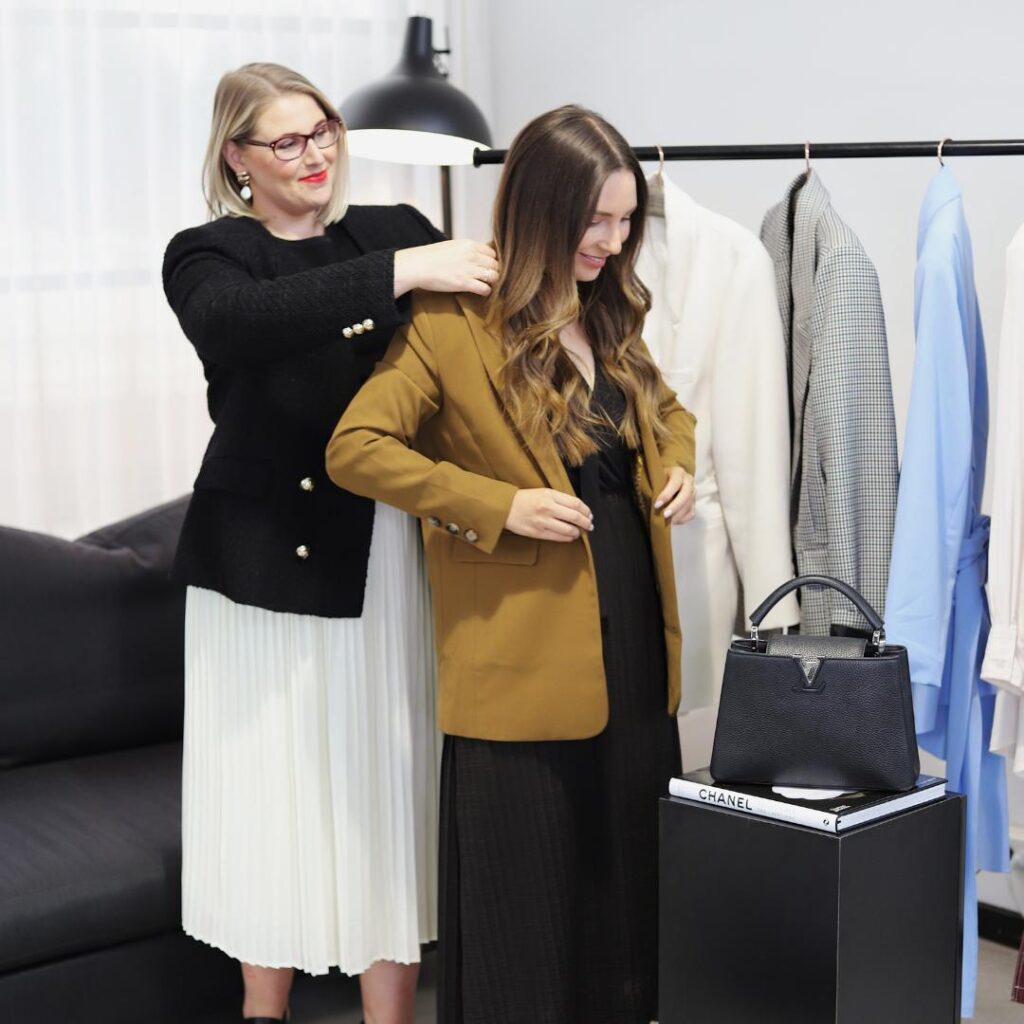
If I could go back and tell my younger self one thing about dressing well, it would be this: fit matters more than price, brand, or trend combined.
A twenty dollar shirt that fits your shoulders and torso correctly will always look better than a two hundred dollar shirt that’s baggy in the wrong places or tight in the wrong ones. I didn’t believe this until I got a few pieces tailored for the first time and noticed people commenting that I “looked different” without being able to say why.
Shoulders are the anchor point for anything with sleeves. If the seam sits past your actual shoulder bone, the whole garment hangs wrong no matter what else you do. Pants should sit at your natural waist without needing a belt cinched to the last hole. Sleeves should end where your wrist meets your hand, not halfway up your forearm and not covering your knuckles.
Tailoring isn’t just for suits. A ten dollar hem adjustment on jeans or a basic waist take-in on a dress shirt does more for how an outfit reads than most people expect.
Body Proportion Basics Nobody Explained to Me
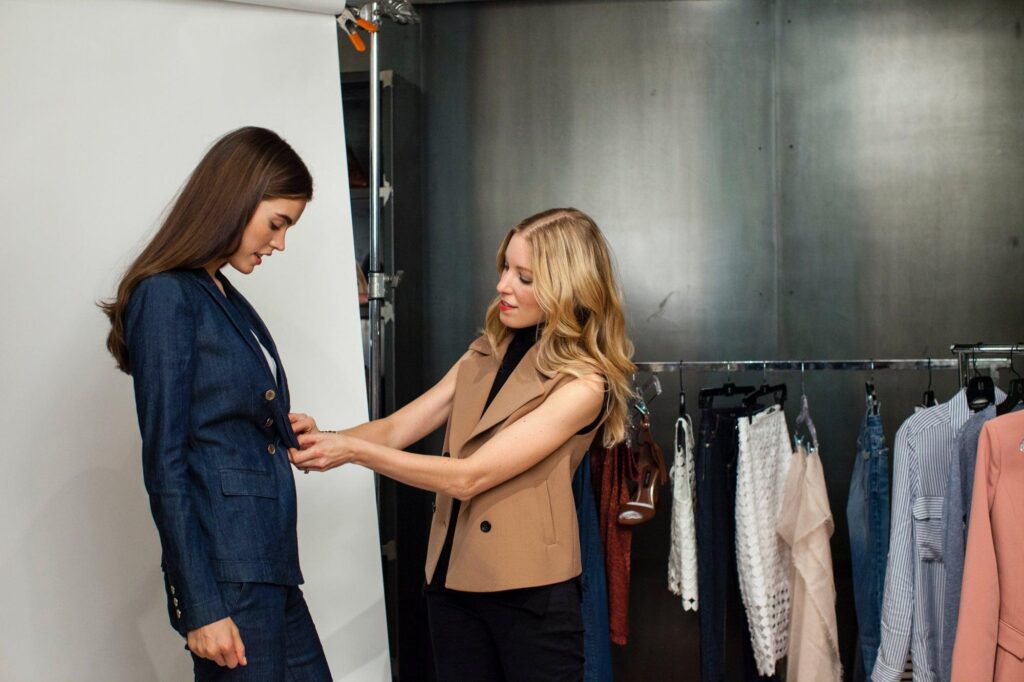
Before I understood proportion, I dressed based purely on what fit off the rack, without thinking about how pieces sat relative to each other. That’s a different problem than fit, and it took me a while to separate the two.
Proportion is about balance between top and bottom, not about any specific body type being right or wrong. If your top half has more volume, a slimmer bottom balances the silhouette. If your bottom half has more volume, a fitted or tucked top does the same job in reverse.
A trick that helped me visualize this came from a stylist friend who described the body in thirds. Two thirds and one third, rather than an even fifty-fifty split, tends to read as more intentional. That’s why a cropped jacket over a longer dress often looks better than a jacket that ends at the exact same place as the dress hem. The eye reads variation as deliberate styling instead of coincidence.
Waist definition matters too, even in casual outfits. Tucking in just the front of a shirt, adding a belt, or choosing a slightly cropped layer all create a waistline that a boxy, untucked silhouette doesn’t. I resisted tucking in shirts for years because it felt formal, until I noticed how much more finished a simple tucked white tee looked compared to the same tee worn loose.
Patterns and Textures Without the Guesswork
Patterns intimidated me for a long time because mixing them felt like a skill only stylists had access to. The actual rule turned out to be simpler than I expected.
Pair a busy pattern with solids, not with another busy pattern. A striped shirt works fine under a solid sweater. Two bold patterns together usually compete for attention instead of complementing each other, unless the scale is dramatically different, like a small check paired with a large floral.
Texture works the same way patterns do but gets ignored more often. Mixing a smooth cotton shirt with a chunky knit, or pairing suede shoes with a denim jacket, adds visual depth without adding a single new color to the outfit. This is an easy way to make an all-neutral outfit look considered instead of plain.
I learned this by accident, honestly. I paired a linen shirt with corduroy pants one weekend purely because they were both clean and nearby, and it became one of the outfits I got the most compliments on. Different textures in the same color family did more work than any pattern could have.
Building a Small Wardrobe Around This System
Once undertone, fit, and proportion clicked, the next logical step was cutting down on the sheer number of items I owned. A packed closet with no system is worse than a smaller closet where every piece works with everything else.
I started with what stylists sometimes call a capsule wardrobe, though I don’t love the term because it sounds more rigid than it needs to be. In practice, it just means choosing a core palette from your undertone group, then building pieces that mix and match within it.
For me that meant navy, charcoal, cream, and one accent color, which happened to be a deep green. Every new piece I bought had to work with at least three existing items before I’d consider it. That single rule cut my impulse purchases dramatically and made mornings faster because almost anything in the closet paired with almost anything else.
This doesn’t mean owning fewer clothes than you want. It means owning clothes that were chosen with intention instead of accumulated out of habit or a sale notification.
Step by Step: Building an Outfit That Actually Works
Here’s the process I use now, broken into steps that take less time than scrolling through outfit ideas online.
Step one: start with the occasion, not the clothes. Ask what the day actually requires. A client meeting needs a different signal than a coffee run with a friend.
Step two: pick your anchor piece first. This is usually the item that’s hardest to swap, like a specific jacket, dress, or pair of shoes you already know you want to wear.
Step three: build around undertone-friendly colors. Reference your warm, cool, or neutral palette instead of picking randomly.
Step four: check proportions. Pair fitted with loose. A relaxed top balances well with slim pants, and a fitted top balances well with wider leg pants. Wearing loose on loose usually reads as unintentional rather than relaxed.
Step five: do a full mirror check, not just a face and shoulders check. Fit issues almost always hide below the waist.
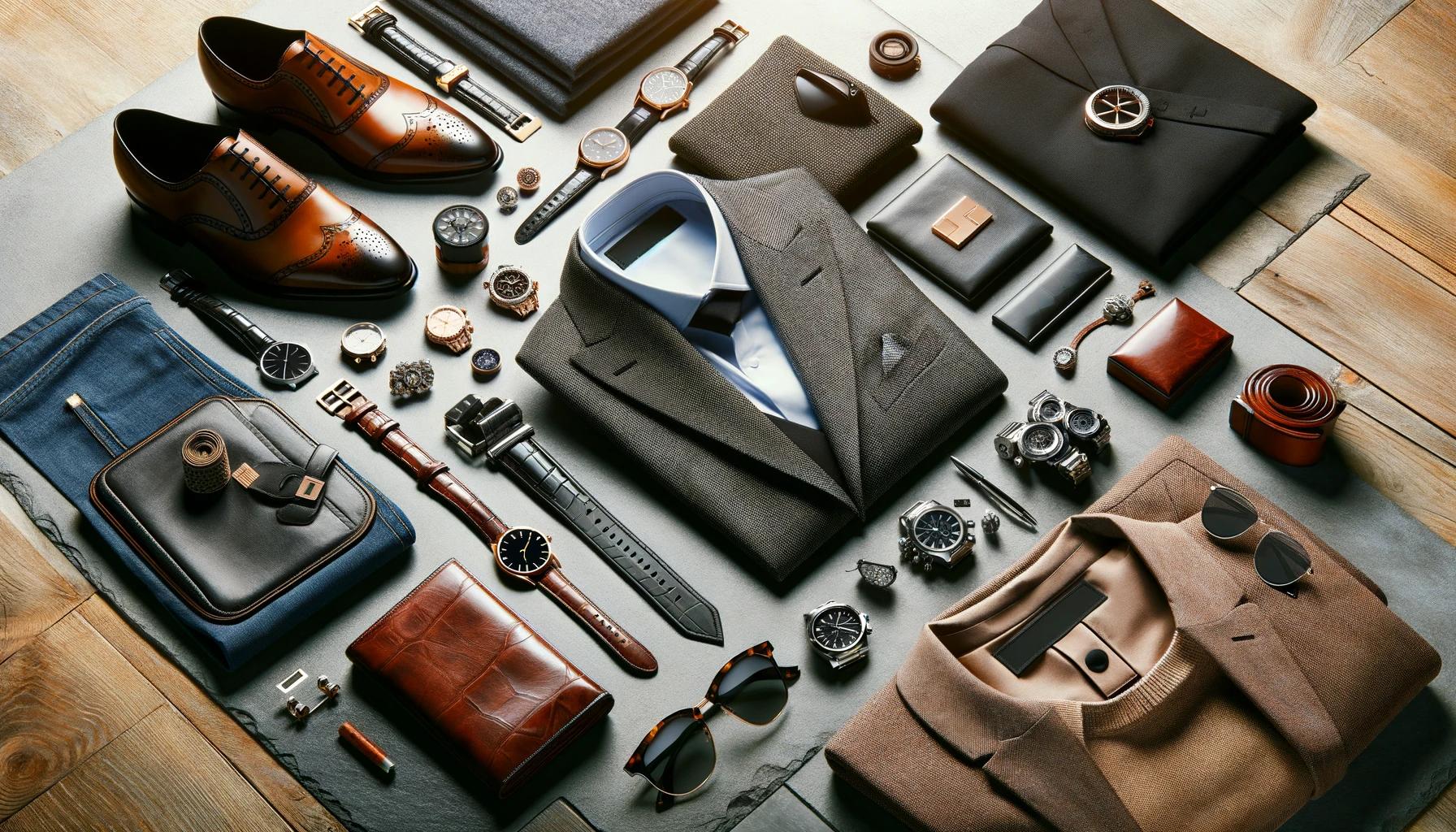
Step six: add one point of interest and stop there. A watch, a bold shoe, a statement bag. One accessory reads as styled. Three competing accessories reads as cluttered.
Step seven: sit down for thirty seconds before you leave the house. Fabric behaves differently sitting than standing, and this catches issues like gaping buttons or riding hemlines before they become a problem at your desk or in the car.
Real Scenarios Where This Played Out
The Job Interview
I once wore a slightly-too-big blazer to an interview because it was the newest thing in my closet. I got the job anyway, but the hiring manager later mentioned, half joking, that I looked like I borrowed it from someone. That comment stuck with me.
The next interview, I wore an older blazer that actually fit my shoulders, paired with simple trousers and one clean accessory. Same confidence level going in, but the feedback afterward focused entirely on what I said instead of what I wore. That’s the goal. Clothes should support the message, not distract from it.
The First Date
A friend asked me to help pick an outfit for a first date and instinctively reached for his newest, boldest shirt. We talked through it and landed on something simpler instead, a well-fitted plain shirt in a color that matched his undertone, paired with jeans that actually fit through the leg.
He told me afterward the date went well partly because he wasn’t tugging at his collar or adjusting his sleeves all night. Comfort and fit removed a layer of distraction he didn’t realize was there.
The Casual Weekend Look
Not every outfit needs to be a project. For errands, I default to a simple system: well-fitted basics in colors from my palette, one item of texture like a canvas jacket, and shoes that don’t need adjusting every ten steps. It takes under two minutes and still looks intentional, which matters more than people think even for a grocery run.
The Wedding Guest Dilemma
A cousin’s wedding a couple summers ago tested this whole system in a way daily outfits never do, because the stakes felt higher and the dress code was vague enough to cause genuine stress.
My first instinct was to buy something completely new, following whatever was trending that season regardless of whether it suited my undertone or the venue. I caught myself mid scroll and asked the same questions from my usual process instead. What does this occasion actually call for? What colors work with my skin? What fits me properly right now, not what I hoped would fit after a few weeks of good intentions at the gym?
I ended up wearing a suit I already owned, tailored slightly at the waist, in a shade of blue that worked with my cool undertone, paired with one statement pair of shoes as the single point of interest. Multiple people asked where the suit was from, assuming it was new. It wasn’t. It just fit correctly and matched the right colors, which apparently reads as new even when it isn’t.
Mistakes I Made Along the Way
Chasing trends instead of fit cost me the most money and gave me the least satisfaction. I bought pieces because they were everywhere online, wore them twice, and then they sat in the closet contributing to that overwhelmed feeling from the very first paragraph.
Ignoring undertone was another one. I owned a mustard sweater for two years before realizing it made my skin look tired every single time, not because the color was wrong in general, just wrong for me specifically.
Overaccessorizing happened constantly in my twenties. A watch, a bracelet, a necklace, a patterned scarf, all at once, all competing for attention. Dropping down to one intentional piece per outfit made everything look more put together, somehow with less effort.
Skipping the sit-down check burned me at a dinner where my shirt gaped at the buttons the entire meal because I never tested it seated beforehand.
Tools That Actually Help
A few apps and tools made this process faster instead of slower.
Pinterest works well for building a reference board of outfits that match your existing palette, rather than random inspiration that has nothing to do with your undertone or body type.
Stylebook, a wardrobe organizing app, lets you photograph everything you own and build outfits digitally before committing to them in real life. This alone cut my morning decision time significantly.
Color analysis tools online, including simple undertone quizzes, are a fast starting point if the wrist vein trick feels inconclusive.
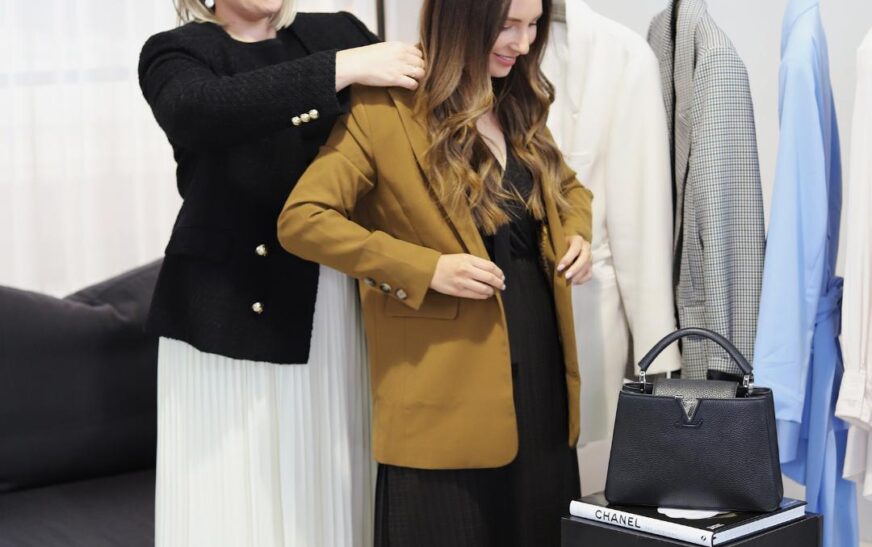
A tailor, even a basic dry cleaner with alteration services, matters more than any app on this list. Five to ten dollars per adjustment compounds into a noticeably better wardrobe over time.
A simple notes app, or even a folder of photos on your phone, works surprisingly well as an outfit log. Snapping a quick photo before leaving the house each morning builds a visual record over a few weeks, and patterns start showing up fast. You’ll notice which combinations you reach for constantly and which ones sit untouched, which tells you far more about your actual style than any quiz ever could.
Good lighting also counts as a tool, oddly enough. Checking an outfit under a warm bathroom bulb versus daylight near a window can completely change how a color reads. I keep a small daylight bulb near my mirror now specifically because it stopped the guessing game around whether a color actually worked or just looked fine under yellow light.
Common Mistakes to Avoid
Buying an item because it looked good on someone else, without checking whether the cut or color suits your own proportions and undertone.
Wearing an outfit head to toe in one texture or fabric, which tends to look flat rather than intentional.
Ignoring the back and sides of an outfit in the mirror. Most people only check the front.
Treating accessories as filler instead of as the one deliberate detail that pulls an outfit together.
Assuming expensive automatically means well fitted. Price and fit are unrelated unless you’re specifically paying for tailoring or made-to-measure work.
Shopping only online without checking return policies carefully. Fit issues are nearly impossible to catch from a photo, so a flexible return window matters more than the item description itself.
Following body type advice too literally. General proportion guidance is useful as a starting point, not a rulebook, and the best outfits usually come from adjusting these ideas to what actually feels right on you rather than following a chart from a magazine.
Forgetting weather and movement entirely. An outfit that looks sharp standing still in a mirror can fall apart the moment you sit in a car, climb stairs, or walk through wind, so testing how a piece moves matters as much as how it photographs.
Final Thoughts
That Tuesday morning I mentioned at the start still happens sometimes. Nobody solves getting dressed permanently, and honestly, that’s fine. But the panic version of that morning rarely shows up anymore, because I’m not guessing. I know my undertone, I know what fits, and I know that one good accessory beats three competing ones.
Getting dressed well was never really about having more clothes. It was about understanding the handful of principles behind why certain outfits work and others don’t, then building a simple system around that understanding.
.