
I still remember the exact moment I stopped going to my favorite coffee shop. It wasn’t the coffee. The coffee was still great. It was the fact that after three years of showing up almost every morning, nobody there knew my name, my order, or even recognized my face. I walked in one day, waited behind two people, ordered my usual flat white, and the barista asked me what size I wanted like I was a total stranger.
Meanwhile, a smaller shop two blocks away had opened a few months earlier. The first time I walked in, the owner asked what brought me by. Second visit, she remembered I liked oat milk. Third visit, she had already started making my drink before I finished saying hello.
Guess which shop gets my money now.
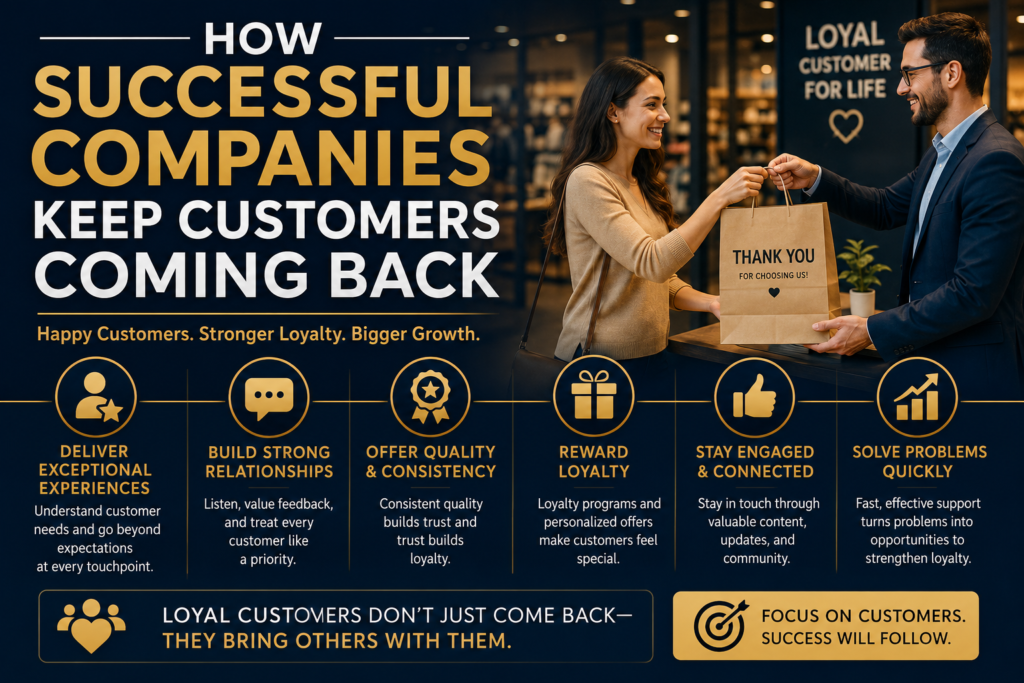
That small experience taught me something that took years of watching businesses succeed and fail to fully understand. Keeping a customer isn’t about having the best product. It’s about making people feel like coming back is worth their time, money, and attention.
This article is everything I’ve picked up from being a customer, running my own small projects, and paying close attention to companies that seem to have cracked the code on loyalty. No fluff, no textbook definitions. Just real patterns that actually work.
Why Keeping Customers Matters More Than Chasing New Ones
Every business owner loves talking about growth. New customers, new sign-ups, new leads. It feels exciting because it’s visible. You can point to a number and say “look, we grew.”
But here’s something a mentor told me early on that stuck with me: getting a new customer usually costs five to seven times more than keeping an existing one. I didn’t believe it until I actually tracked my own spending on ads for a small side project. Turning a stranger into a paying customer ate through my budget fast. Getting that same person to buy again the following month? Almost free.
Companies that master retention aren’t necessarily spending more on marketing. They’re just smarter about where they put their energy. A returning customer already trusts you. They already know your product works. You don’t have to convince them from zero.
Amazon figured this out with Prime. Once someone pays for that membership, they stop shopping around because switching feels like a hassle and a waste of money already spent. Netflix does something similar, though in a quieter way, by making cancellation just annoying enough that people forget to do it, while also constantly recommending shows that feel personally picked.
None of that is manipulation in a bad sense. It’s just understanding human behavior and building around it.
I ran a small online shop selling handmade candles a few years back. In the first two months, almost my entire budget went toward Facebook and Instagram ads trying to reach new buyers. My cost per sale kept climbing until it barely made sense financially. Then I switched strategy. Instead of chasing new eyeballs, I sent a simple follow-up email to everyone who had already bought from me, offering a small discount on their next order plus a personal thank-you note.
That single change brought back nearly thirty percent of my previous customers within a month, and I spent almost nothing to make it happen. It was the moment I stopped thinking of marketing as only an acquisition game and started treating existing customers as the real engine of steady income.
Research from Bain & Company has shown that increasing customer retention rates by just five percent can boost profits anywhere from twenty five to ninety five percent, depending on the industry. Numbers like that sound almost unbelievable until you actually experience the difference between chasing strangers and nurturing people who already trust you.
What I Learned Watching Businesses Win (and Lose) My Loyalty
The Starbucks App Changed How I See Loyalty Programs
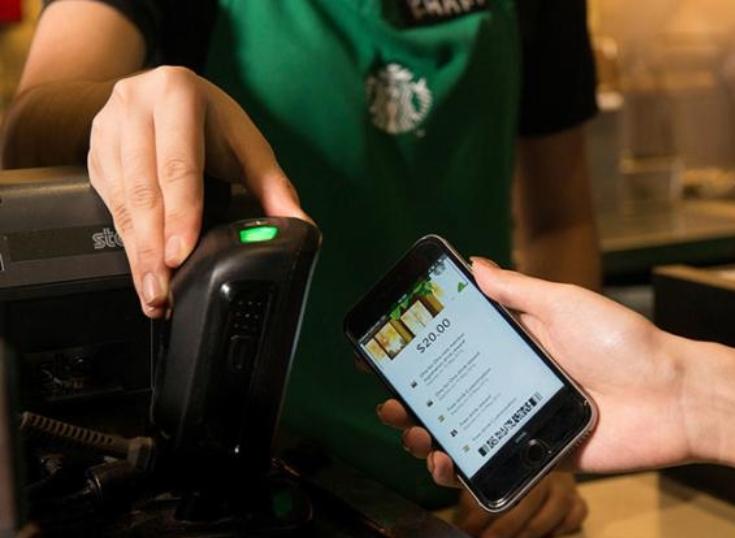
I used to think loyalty programs were pointless stamp cards that end up lost in a junk drawer. Then I started using the Starbucks app.
The stars add up without me thinking about it. The app remembers my order. It sends me a birthday reward that actually feels personal, even though I know a computer generated it. And on slow sales days, they nudge me with double star offers that somehow always land right when I’m craving coffee anyway.
It’s simple psychology, but it works because it removes friction. I don’t have to remember anything. The app does the remembering for me.
My Local Barber Beats Every Big Salon Chain
For years I bounced between salon chains, and every single time it felt like starting over. New stylist, new questions, awkward small talk about how short I want it.
Then I found a barber who keeps a small notebook, yes an actual paper notebook, with notes on every regular client. Preferred fade length, how I like my beard trimmed, even what I mentioned about my job last visit.
That notebook probably cost him two dollars. What it built in customer loyalty is priceless. I haven’t looked at another barber in four years.
The Airline That Lost Me Forever
On the flip side, I flew with a budget airline that canceled my flight with barely any notice, then made me sit on hold for ninety minutes to get a refund, only to give me a voucher instead of actual cash back.
I never flew with them again. Not because the flight got canceled, things happen, but because of how they handled the mistake. They made the recovery process feel like punishment instead of care.
The Real Reasons Customers Stick Around
It’s Rarely Just About the Product
People assume the best product always wins. That’s not entirely true. Plenty of average products succeed because the experience around them feels good. Plenty of excellent products fail because using them feels like a chore.
Think about grocery stores. Most sell nearly identical items. What actually decides where people shop is the experience, the layout, the staff attitude, how fast checkout moves, whether parking is a nightmare.
They Remember You, Even in Small Ways
Being remembered feels good. It’s basic human psychology. When a company remembers your preferences, past purchases, or even just your name, it signals that you matter beyond your wallet.
This is exactly why CRM tools like HubSpot, Zoho, or even a simple Google Sheet matter so much for small businesses. You don’t need fancy software. You need a system, any system, that helps you remember details about your customers.
They Make Returning Effortless
Friction kills loyalty faster than almost anything else. If reordering, renewing, or reaching support takes too many steps, people give up and go elsewhere.
Amazon’s one-click ordering. Uber’s saved payment methods. Spotify remembering exactly where you left off in a podcast. These aren’t accidents. Every one of these features exists specifically to remove friction between the customer and the next purchase.
They Fix Mistakes Quickly and Sincerely
Nobody expects perfection. Mistakes happen in every business. What separates companies people stay loyal to from ones they abandon is how fast and how genuinely they fix problems.
Chewy, the pet supply company, became famous for sending flowers and handwritten condolence cards to customers whose pets passed away, even canceling remaining subscription orders without being asked. That kind of response turns a sad moment into a story customers tell for years. I’ve seen this shared online repeatedly, and every time, it makes people trust the brand more.
They Build a Sense of Belonging, Not Just a Transaction

Some brands manage to turn ordinary customers into something closer to fans. Think about how people talk about certain sneaker releases, gaming consoles, or even niche fitness studios. They don’t just buy the product, they identify with it.
I saw this firsthand at a small CrossFit-style gym I joined a couple years ago. It wasn’t cheap, and honestly there were gyms nearby charging half the price. But this one built an actual community. They knew everyone’s name, celebrated small wins on a whiteboard, and hosted casual weekend hangouts that had nothing to do with fitness at all.
I stayed for two years, not because the workouts were dramatically better than anywhere else, but because leaving felt like leaving a group of friends. That emotional pull is incredibly hard for competitors to break, no matter how good their pricing looks.
Brands like Harley-Davidson understood this decades ago. Owning one of their motorcycles isn’t just a purchase, it comes with an entire identity and community attached to it through their HOG (Harley Owners Group) chapters. People don’t just ride the bike, they belong to something bigger.
They Communicate Honestly, Even When It’s Uncomfortable
Trust breaks the moment a company hides something and gets caught. I once used a meal-kit delivery service that quietly changed their pricing structure without clearly notifying existing subscribers. I only found out when my card got charged more than expected.
Compare that to a software company I subscribe to that sent a direct, clearly worded email a full month before a price increase, explaining exactly why the change was happening and what new features came with it. I didn’t love paying more, but I respected the honesty enough to stay subscribed.
Being upfront, even about bad news, builds more loyalty than staying silent and hoping nobody notices.
Step by Step: How to Build a Business People Keep Returning To
Step 1: Actually Know Your Customer Beyond the Sale
Don’t just track what people buy. Track why they buy it, when they usually buy, and what frustrates them. Send a short survey using something like Google Forms or Typeform. Ask three simple questions. Keep it short so people actually finish it.
I once added a single optional question to my checkout process asking, “What almost stopped you from buying today?” The answers were eye opening. Shipping cost concerns, confusing sizing charts, and slow page loading showed up again and again. Fixing those three things alone reduced my cart abandonment rate noticeably within a month.
Step 2: Build a Loyalty System, Even a Simple One
You don’t need a complicated point system. Punch cards, app-based rewards, or even a simple “buy 9, get the 10th free” deal works. What matters is consistency and clarity. People need to understand the reward without reading a manual.
Apps like Square Loyalty or Fivestars make this easy for small shops without needing any coding knowledge. For online businesses, platforms like Smile.io plug directly into Shopify stores and handle point tracking automatically, so you’re not manually updating spreadsheets every time someone makes a purchase.
Step 3: Personalize Without Crossing Into Creepy Territory
There’s a fine line between helpful personalization and unsettling surveillance. Recommending a product based on past purchases feels helpful. Mentioning something a customer never told you directly feels invasive. Stick to information they willingly gave you.
A good rule I follow is asking myself whether the customer would be surprised, in a good way, or unsettled, if they knew exactly how I got this piece of information about them. If the answer leans toward unsettled, it’s better left unused.
Step 4: Follow Up After the Purchase, Not Just Before
Most businesses pour all their energy into landing the sale, then go silent. A short follow-up message asking if everything arrived fine, or if the service met expectations, shows genuine care. Tools like Mailchimp or Klaviyo make automated but still personal-feeling follow-ups easy to set up.
Timing matters here too. A follow-up sent too soon feels pushy, while one sent too late feels forgotten. For physical products, I’ve found waiting about a week after expected delivery works best, giving the customer enough time to actually use what they bought.
Step 5: Handle Complaints Like You’re Protecting a Relationship
When someone complains, they’re actually giving you a chance to fix things before they leave for good. Respond fast. Apologize without excessive corporate language. Offer a real solution, not just a scripted apology.
Support platforms like Zendesk or Intercom help larger teams manage this at scale, but even a small business owner checking their own inbox twice a day and replying personally can outperform a giant company’s automated ticket system. Speed and sincerity beat scale almost every time.
Step 6: Reward Loyalty, Not Just Big Spending
Plenty of companies make the mistake of only rewarding their biggest spenders while ignoring loyal, smaller, regular customers. Someone who buys from you every single week deserves recognition too, even if their total spend is lower than a one-time big buyer.
Consider building tiers based on frequency of purchase rather than dollar amount alone. A customer who orders coffee every single morning for a year has earned just as much appreciation as someone who made one large purchase and disappeared.
Step 7: Stay in Touch Without Becoming Annoying
There’s a balance between staying visible and overwhelming someone’s inbox. One thoughtful email a week usually beats five generic ones. Quality of communication matters more than frequency.
Segment your audience if possible. Someone who bought last week doesn’t need the same message as someone who bought two years ago and went quiet. Basic email platforms now make audience segmentation simple, even for beginners with no technical background.
Real Examples From Companies Doing This Well
Chick-fil-A
Their staff are trained to say “my pleasure” instead of “no problem,” and while that might sound like a small detail, it changes how the entire interaction feels. Add in their fast, accurate drive-through service, and it’s no surprise they consistently rank among the highest for customer satisfaction in fast food, according to the American Customer Satisfaction Index.
Sephora’s Beauty Insider Program
Sephora built tiers into their loyalty program, so customers feel like they’re leveling up the more they engage. Free samples, birthday gifts, and early access to sales make members feel valued rather than just tracked for spending habits.
Trader Joe’s
No loyalty app, no punch cards, yet people are fiercely loyal. Why? Unique products you can’t easily find elsewhere, friendly staff, and a shopping experience that feels different from typical grocery chains. Sometimes retention comes from being genuinely distinct rather than from a rewards program.
Netflix’s Personalization Engine
Their recommendation algorithm constantly studies viewing habits to suggest shows people are statistically likely to enjoy. It’s not perfect, but it’s good enough that canceling feels like giving up a service tailored specifically for you.
Common Mistakes Businesses Make With Customer Retention
Ignoring Direct Feedback
Customers often tell you exactly what’s wrong, through reviews, support tickets, or casual comments. Businesses that ignore this feedback, or worse, get defensive about it, lose trust fast.
Sending Generic, Copy-Paste Communication
Nothing feels worse than receiving an email that clearly wasn’t written with you in mind. If your subject line still says “Dear Customer,” you’re already losing points.
Rewarding New Customers Better Than Loyal Ones
I’ve personally canceled subscriptions after discovering new sign-ups got a better deal than what I, a three-year customer, was paying. It feels like punishment for loyalty, and it pushes people straight into a competitor’s arms.
Overcomplicating Loyalty Programs
If customers need a manual to understand how points work, the program has already failed. Keep the rules simple enough to explain in one sentence.
Disappearing After the Sale
Once the transaction closes, some businesses act like the relationship is over. But retention starts exactly at that point, not before it.
You Don’t Need a Big Budget to Do This Right
Small businesses often assume retention strategies belong only to giant corporations with massive marketing budgets. That’s not true.
A spreadsheet can function as a basic CRM. Note down customer names, preferences, and purchase dates manually if needed. A handwritten thank-you note after a big purchase costs almost nothing but leaves a lasting impression. Even a simple WhatsApp broadcast list, used sparingly and thoughtfully, can keep regular customers updated without expensive software.
My barber’s paper notebook proves that retention isn’t about budget. It’s about intention and consistency.
Questions People Often Ask About Customer Retention
How long does it take to see results from retention efforts?
In my own experience, small changes like follow-up emails or personalized thank-you messages can show results within a few weeks. Bigger changes, like building a full loyalty program or shifting company culture around customer service, usually take a few months before the impact becomes obvious in your numbers.
Do small businesses really need loyalty programs?
Not necessarily a formal program, but some system for recognizing repeat customers helps. It can be as simple as remembering names, offering a small discount on someone’s fifth visit, or sending a handwritten note. The format matters far less than the consistency behind it.
What’s the biggest sign a business is about to lose a loyal customer?
Silence, oddly enough. When a regular customer suddenly stops complaining or giving feedback, it’s often not because everything is perfect. It usually means they’ve quietly decided to leave and no longer feel invested enough to say anything.
Is it worth spending money on retention software?
For businesses with a growing customer base, yes, eventually. Manually tracking hundreds or thousands of customer interactions becomes unrealistic. Starting with free or low-cost tools, then upgrading as the business grows, tends to work better than overspending on enterprise software too early.
Final Thoughts
Every business I’ve stayed loyal to over the years shares one thing in common. They made me feel like more than a transaction. Whether it was a coffee shop remembering my order, a barber tracking my preferences in a notebook, or a company that handled my complaint with genuine care instead of a scripted response, the pattern is always the same.
Customers don’t just buy products. They buy experiences, consistency, and the feeling of being valued. Companies that understand this, and act on it consistently, end up with something far more valuable than a one-time sale. They end up with customers who keep coming back without needing to be convinced every single time.
If there’s one thing worth taking away from all of this, it’s that retention isn’t a marketing tactic bolted onto a business. It’s a mindset that shapes how every single interaction gets handled, from the first purchase to the hundredth.