
(A Real Story From Someone Who Actually Tried It)
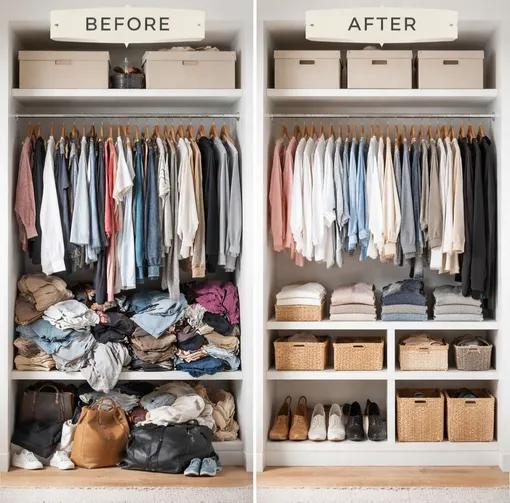
Three years ago, I stood in front of my closet at six in the morning. I was late for work. I couldn’t find a single thing to wear.
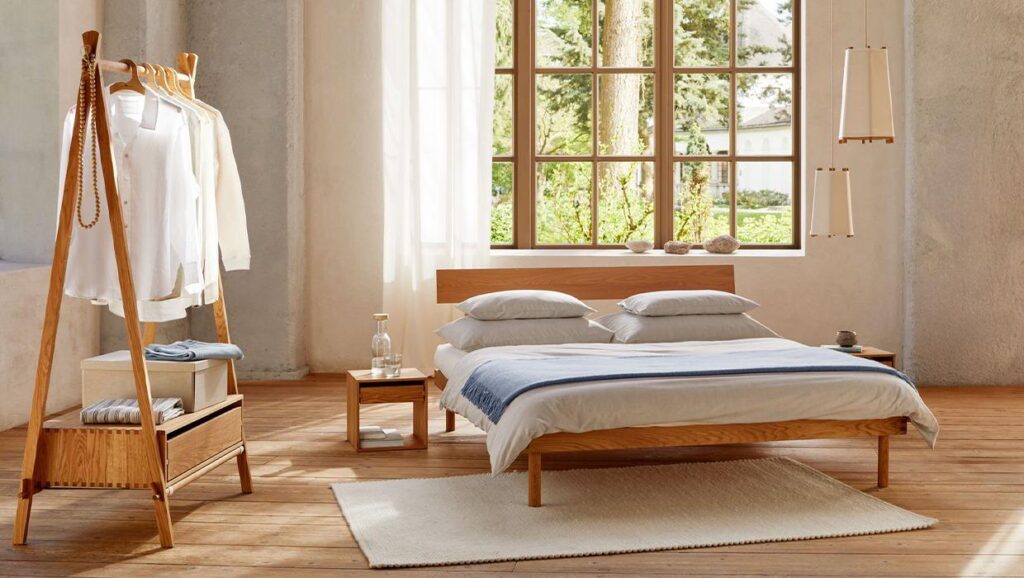
Not because I didn’t own enough clothes. I owned too many, and none of them felt right anymore. I sat down on the floor of my bedroom, surrounded by shoes I hadn’t touched in a year. Then I just laughed at how ridiculous the whole thing was.
That morning became my wake-up call. My apartment was full. My schedule was full. Even my mind felt like a browser with forty tabs open, and somehow I still felt like something was missing.
A friend mentioned she had started clearing out her house room by room. She called it a “minimalist reset.” I rolled my eyes at first. It sounded like another trend people abandon within a month.
I was wrong. That small comment changed how I live. It also changed how I think.
This isn’t a lecture about owning nothing but a mattress and a spoon. It’s a walkthrough of what happened when an ordinary, slightly disorganized person tried to simplify her life. I’ll share what worked, what backfired, and what I’d tell someone starting today.
What Minimalism Actually Looked Like Once I Started
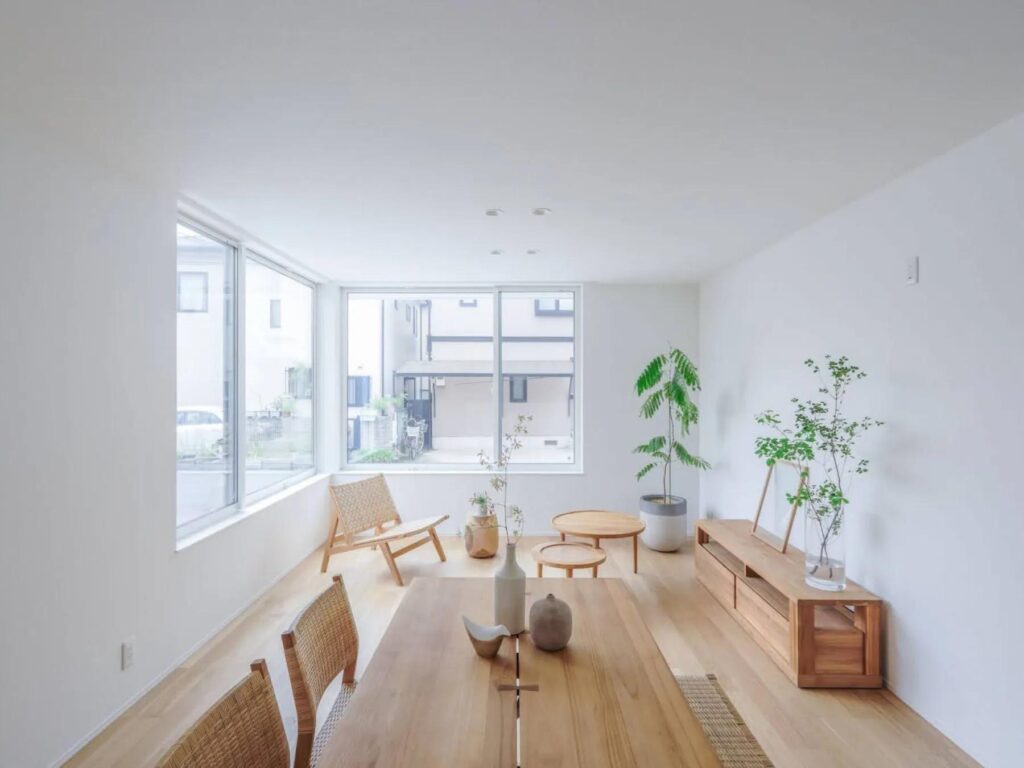
Before the steps, let me clear up something I misunderstood for years. Minimalism doesn’t mean living in an empty white room with one chair and a single plant. That image looks nice on Pinterest. It has almost nothing to do with what most people experience.
For me, minimalism turned into something simpler and far less dramatic. It meant keeping things that actually mattered. It meant letting go of stuff I kept out of guilt, habit, or “just in case” thinking.
The junk drawer in my kitchen tells the whole story. It had three broken chargers, a stack of old takeout menus, and rubber bands fused into a strange plastic clump. None of that made my life better. It just sat there, quietly reminding me of a task I kept avoiding.
Minimalism became my way of finally dealing with “someday.”
The Turning Point That Made Me Rethink Everything
The real shift happened when I moved apartments. Packing forced me to touch every single item I owned. I mean everything, down to old birthday cards and single socks with no match.
Halfway through packing, I found receipts for things I never used. A juicer, still in its box. A yoga mat with the tags still on. Three sets of headphones, because I kept losing track of the ones I already had.
Looking at all that unused stuff sitting in boxes gave me a strange mix of embarrassment and exhaustion. I wasn’t broke, but I was clearly wasting money on things I forgot I owned. I wasn’t lazy either, but I spent hours every week searching for items buried under other items.
That move became my starting line. I didn’t unpack everything into the new place. Instead, I made a decision that felt small at the time. It turned into the actual foundation of simplifying my life.
Step-by-Step: How I Actually Started Decluttering
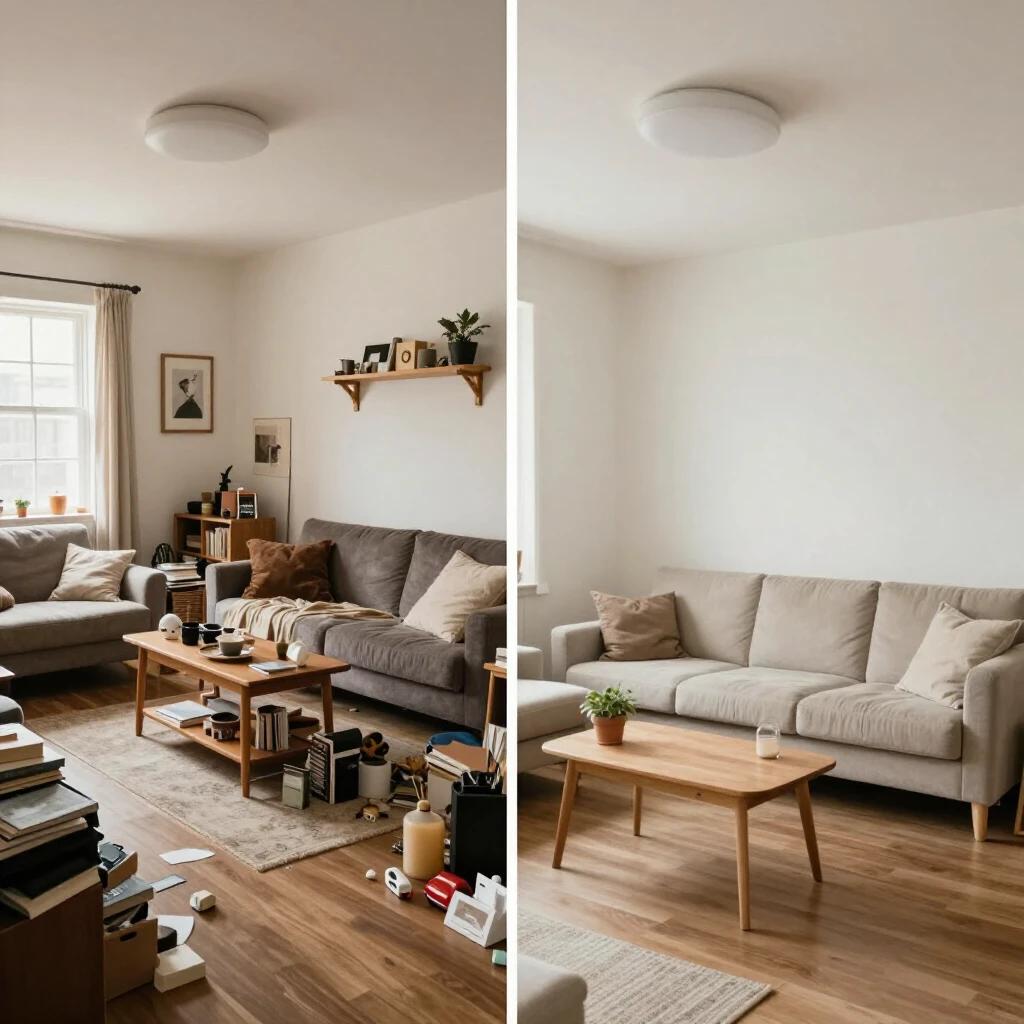
People love saying “just get rid of what you don’t need,” as if that’s helpful advice. It really isn’t. Knowing what you don’t need is the hard part.
Here’s what worked for me, broken into steps anyone can follow. You don’t need a free weekend or a dumpster in your driveway.
Step 1: One Room at a Time
Trying to declutter an entire house in one day sets you up for failure. I learned this the hard way. I once tried tackling my whole apartment on a Saturday and gave up by lunchtime, surrounded by piles with nowhere to go.
Pick one room instead. Just one. I started with the bathroom because it felt small and low stakes. Expired medications, three half-used bottles of the same shampoo, and a broken hairdryer all went into a trash bag within twenty minutes.
Small wins matter here. Finishing one space completely builds momentum for the next one.
Step 2: The Box Method
For every room, I used four boxes labeled Keep, Donate, Trash, and Unsure. The Unsure box became my secret weapon.
Anything I couldn’t decide about went straight into that box. I sealed it and wrote a date on the lid. Six months later, if I hadn’t opened it or thought about the contents, I donated the entire thing without looking.
This method removed the pressure of deciding everything at once. It turned out I never missed a single item from those boxes.
Step 3: The 90/90 Rule

A minimalist blogger I followed described this rule, and it stuck with me. Ask whether you’ve used an item in the last ninety days. If not, ask whether you’ll genuinely use it in the next ninety.
If both answers are no, it goes. This rule cut through so much of my hesitation. It worked especially well for clothes, kitchen gadgets, and random cables I was convinced I’d “need eventually.”
Step 4: Digital Declutter
Nobody talks about this part enough. My phone had over four thousand photos, most of them blurry duplicates or screenshots I never looked at again. My email inbox had over eleven thousand unread messages.
I spent one evening using Google Photos to bulk-delete duplicates and blurry shots. Another evening went into using Unroll.Me to unsubscribe from newsletters I never read.
My phone felt lighter within a week. That sounds strange to say about a device, but the constant notifications had been quietly draining my attention for years.
Step 5: Slowing Down New Purchases
Decluttering means nothing if you refill the space immediately. I started using a thirty-day rule for non-essential purchases. If I wanted something, I added it to a note on my phone instead of buying it right away.
By the time thirty days passed, I’d forgotten about most items on that list. The things I still wanted after a month were usually genuine needs, not impulse buys driven by a sale email or boredom scrolling.
What Changed In My Daily Life
Getting rid of stuff was only the beginning. The bigger shift happened in how my days actually felt.
Mornings got faster because my closet only held clothes I liked wearing. No more standing there overwhelmed by choices I didn’t even want. Cleaning my apartment went from a half-day project to something I could finish in under an hour, simply because there was less to move around.
Grocery shopping changed too. I started meal planning with a simple app called Mealime. That meant fewer wasted ingredients and less food going bad in the back of my fridge. My kitchen counters stayed clear because I stopped buying gadgets I’d use twice and then abandon.
Financially, the difference surprised me most. Tracking my spending with a budgeting app called YNAB showed something interesting. My “random purchases” category dropped by almost half within four months. Simplifying what I owned quietly simplified my bank account too.
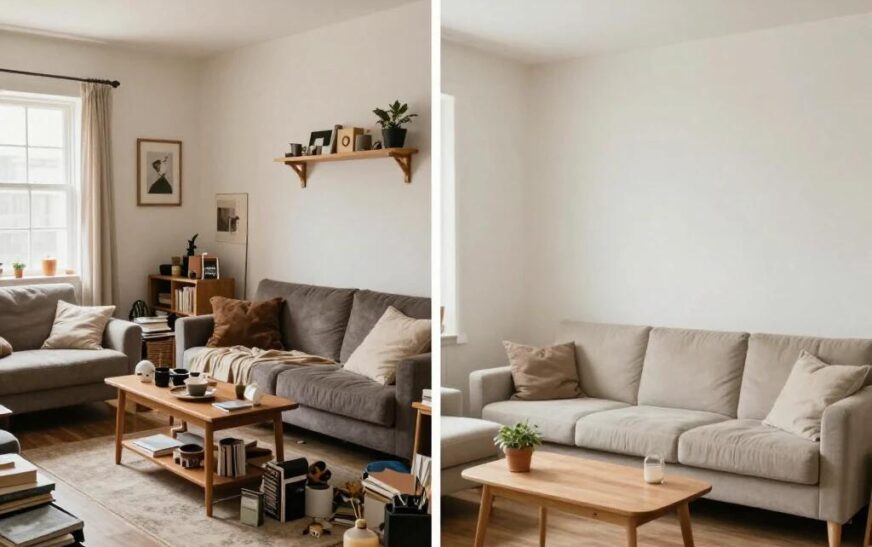
Mentally, this part is harder to describe, but I’ll try. Clutter had been a low hum of stress I didn’t even notice until it disappeared. Walking into a tidy room stopped triggering that tiny flicker of “I should really deal with this.” My brain had fewer visual reminders of unfinished tasks, and that made a bigger difference than I expected.
Mistakes I Made Along The Way
I want to be honest here, because most articles skip this part. It’s genuinely useful.
Early on, I got rid of things too fast and regretted a few decisions. I donated a winter coat during a summer decluttering binge, then had to buy a new one when the cold hit. Lesson learned. Seasonal items need different thinking than everyday clutter.
I also went overboard chasing an aesthetic I saw online. For a few weeks, I obsessed over having a “capsule wardrobe” that looked exactly like influencers described. Honestly, it stressed me out more than my messy closet ever did. Eventually I realized minimalism isn’t a look you copy. It’s a filter you apply to your own actual life.
Another mistake was pushing minimalism onto my family before they were ready. My mom visited and found half my kitchen items gone. She was genuinely upset, feeling like I’d thrown away memories tied to certain dishes and gifts. That taught me something important. Minimalism works best as a personal choice, not something forced on people who share your space or your history.
Lastly, I underestimated how long digital decluttering takes. I assumed deleting apps and photos would take an afternoon. It actually took closer to two weeks, chipped away in small chunks, because years of accumulated files don’t disappear in one sitting.
Tools and Apps That Actually Helped
A few tools made this whole process smoother, and I still use most of them today.
Google Photos handled duplicate detection and cloud backup, which meant deleting photos off my phone didn’t feel risky. Unroll.Me cleared out subscription emails in bulk instead of unsubscribing one by one, which would have taken forever. Mealime simplified grocery shopping and cut down on food waste significantly. YNAB gave me a clear picture of where my money actually went, which made the connection between clutter and spending impossible to ignore.
For physical decluttering, I didn’t use anything fancy. Trash bags, cardboard boxes, and a local donation center did the job. You don’t need a special app or planner to start this process. You need a free afternoon and a bit of honesty about what you’re actually using.
If you want a deeper framework beyond what I’ve shared, The Minimalists offer a lot of practical, free guidance on simplifying different areas of life, from finances to relationships.
Minimalism Isn’t Just About Stuff
Somewhere during this process, I noticed the habit spreading beyond my closet and kitchen drawers.
My calendar became the next target. I had been saying yes to every invitation, every favor, and every extra project at work, mostly out of guilt or fear of missing out. Applying the same “does this actually add value” question to my schedule cut my weekly commitments significantly.
Friendships got the same treatment, in a gentler way. I stopped forcing conversations that felt one-sided or draining. I put more energy into the handful of friendships that actually felt good. That wasn’t about cutting people off dramatically. It was quietly redirecting my time toward what mattered.
Even my social media use shifted. I unfollowed accounts that made me feel inadequate or anxious. I kept only the ones that added something genuinely useful or enjoyable to my day. My screen time dropped, not because I forced it, but because scrolling stopped being interesting once the noise was gone.
Common Mistakes People Make With Minimalism
Watching friends attempt their own decluttering journeys after mine, I noticed a few patterns worth mentioning.
Buying matching storage bins and organizers before removing anything is a common trap. Organizing clutter isn’t the same as removing it. It often just makes the mess look tidier while solving nothing underneath.
Treating minimalism as a strict rulebook backfires too. Some people force themselves to own exactly one hundred items or follow extreme guidelines they saw online. Then they burn out within a month because the rules never fit their actual life. Simplifying works better as a flexible mindset than a rigid checklist.
Ignoring sentimental items entirely causes problems. So does going the opposite direction and keeping everything “just in case it has meaning.” I learned to keep a small box for genuinely meaningful items and let the rest go without guilt.
Rushing through decisions under pressure, especially during a big move or life change, often leads to regret later. Giving yourself permission to use an “unsure” pile, like I mentioned earlier, prevents a lot of that regret.
Real Examples From People I Know
My coworker Amira tackled her closet using the same box method I used. Within two months, she donated over sixty items she hadn’t worn in over a year. She told me getting dressed stopped feeling like a chore, since everything left in her closet actually fit and suited her taste.
My neighbor simplified his home office by removing three unused monitors, stacks of old paperwork, and cables for devices he no longer owned. He said his focus during work calls improved almost immediately, simply because his environment stopped pulling his attention in different directions.
A cousin of mine applied minimalist thinking to her finances rather than her belongings. She canceled five subscription services she’d forgotten she was even paying for. That single afternoon of digital decluttering saved her almost sixty dollars a month, money she now puts toward actual savings instead of unused streaming platforms.
How To Start If You Feel Overwhelmed
If everything I’ve described sounds like too much at once, start smaller than you think you need to.
Pick a single drawer. Not a room, not a closet, just one drawer. Empty it completely, and only put back what you genuinely use or love. That fifteen-minute exercise usually builds enough confidence to tackle the next space.
Set a timer for ten minutes and declutter until it goes off, then stop. This prevents the burnout that comes from trying to finish everything in one exhausting session. Progress matters more than speed here.
Take photos of sentimental items you’re unsure about, instead of holding onto the physical object forever. This helped me let go of concert tickets, old birthday cards, and souvenirs while still keeping the memory attached to them.
Ask a friend for help on harder days. Having someone else in the room makes decisions faster and less painful, especially someone without emotional attachment to your old college textbooks or that dress you swore you’d fit into again.
What I’d Tell Someone Just Starting Out
If a friend asked me where to begin today, I wouldn’t hand her a list of rules. I’d tell her to notice her own irritation first.
Pay attention to what makes you sigh when you walk past it. The pile of mail on the counter. That drawer that never quite closes. Or the inbox that makes your stomach drop when you open it. Those small irritations are usually pointing at something worth simplifying.
I’d also tell her not to expect an instant transformation. My own process took months, not days, and it’s still ongoing in small ways. New clutter creeps in occasionally, especially around holidays and birthdays, and I’ve made peace with the fact that maintenance is part of the deal, not a sign of failure.
Finally, I’d remind her that minimalism looks different for everyone. My version includes more books than most minimalists would probably keep, because reading matters to me. Someone else’s version might include a full craft supply closet, because creating things matters to them. The goal was never to match a photo online. The goal was to keep what earns its place and let go of what doesn’t.
Questions People Usually Ask Me About This
Once friends found out I’d decluttered most of my apartment, the same questions kept coming up. I figured it’s worth answering a few of them here.
Does Minimalism Actually Save Money?
In my experience, yes, but not directly at first. The savings came from breaking the habit of buying things I didn’t need, not from the act of decluttering itself. Once I stopped replacing clutter with new clutter, my spending dropped on its own, month after month, without me trying very hard.
How Long Does It Take To See Results?
Physically, you can clear a drawer or a shelf in under an hour and feel a difference immediately. The deeper shift, the one that changes how you shop and how you think about your space, took me closer to six months to really settle in. Give yourself that kind of timeline, and don’t panic if week one feels underwhelming.
Do I Need To Get Rid Of Sentimental Items?
No, and I’d actually push back on anyone who tells you that you have to. I kept a small box of items tied to specific memories, things like old letters and a few photographs, and I don’t regret keeping a single one of them. Minimalism was never meant to strip away meaning.
Is Minimalism Expensive To Start?
It shouldn’t be. Some people spend money on matching bins, labels, and storage systems before they’ve removed anything, which defeats the purpose entirely. All I used were trash bags, cardboard boxes I already had lying around, and a donation center a few minutes from my apartment.
What If My Family Doesn’t Want To Declutter Too?
Let them be. My mistake early on was pushing my own process onto people who hadn’t asked for it. Focus on your own space first, and let your results speak for themselves instead of your opinions. People tend to get curious once they see the difference for themselves, and that curiosity works far better than any lecture I could give.
Final Thoughts
Minimalism didn’t turn my life into some picture-perfect, clutter-free fantasy. My apartment still gets messy sometimes, and I still buy things I later regret on occasion. What changed is the baseline. Life feels lighter now, not because I own nothing, but because what I do own actually earns its place.
If you’re standing in your own version of that closet moment, staring at too much stuff and too little clarity, you don’t need a total life overhaul to start. Pick one drawer, one shelf, one email inbox, and go from there. The rest tends to follow once you feel that first bit of relief.
Simplifying isn’t really about the stuff at all, not in the end. It’s about making room, literally and mentally, for the things that actually matter to you.
Looking back at that morning on my bedroom floor, surrounded by shoes I never wore, I don’t feel embarrassed anymore. I feel a little grateful for it, honestly. That messy, frustrating moment ended up teaching me more about my own habits than any productivity book ever did. Sometimes the lesson really does start with a pile on the floor and a closet that no longer makes sense.