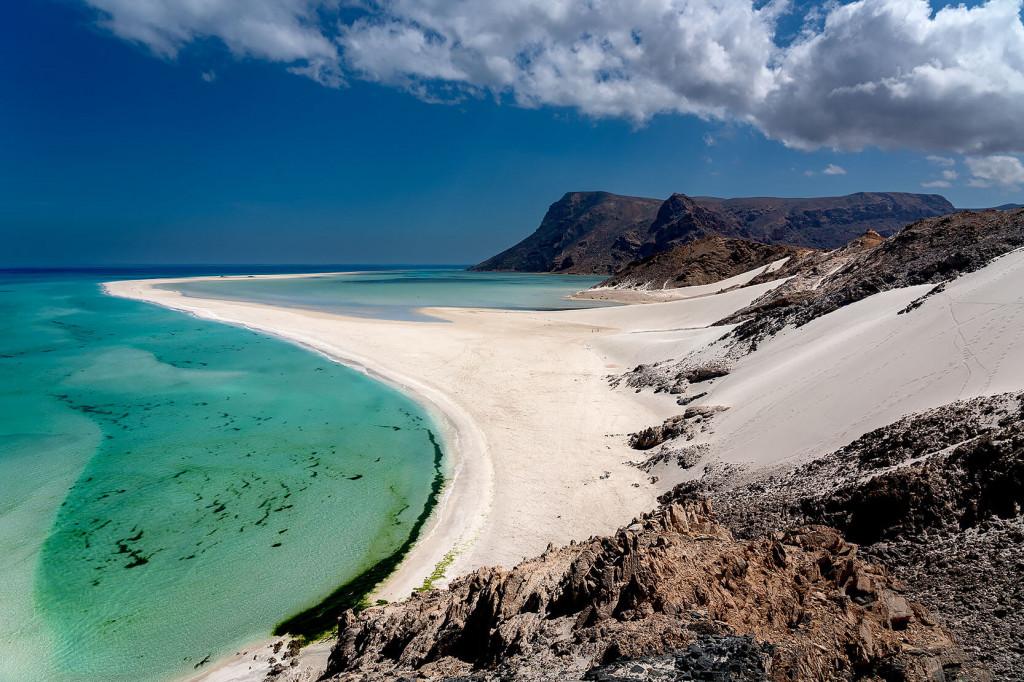

Three years ago I hit a wall at work so hard I actually cried in a parking garage before a Monday meeting. Nothing dramatic had happened. I just hadn’t taken a real break in months, and my body finally sent the bill. That weekend I threw a bag in the car and drove two hours to a lake I’d never even heard of. No plan. No itinerary. Just “not being home.”
Did it fix my job? Not even close. But something about sitting by water with zero agenda reset me in a way that felt way out of proportion to how little effort it took. I’ve chased that feeling ever since, and somewhere along the way I got pretty good at picking spots that actually deliver instead of leaving me more exhausted than when I left. It sounds almost too simple to be a real strategy, and yet here we are, three years and probably twenty trips later.
This isn’t a list ripped from a travel magazine. Half of it came from trips that went sideways in ways that taught me exactly what not to do. If you’ve got two free days and a car, or even just enough for a cheap flight somewhere close, there’s something in here you can actually use this month.
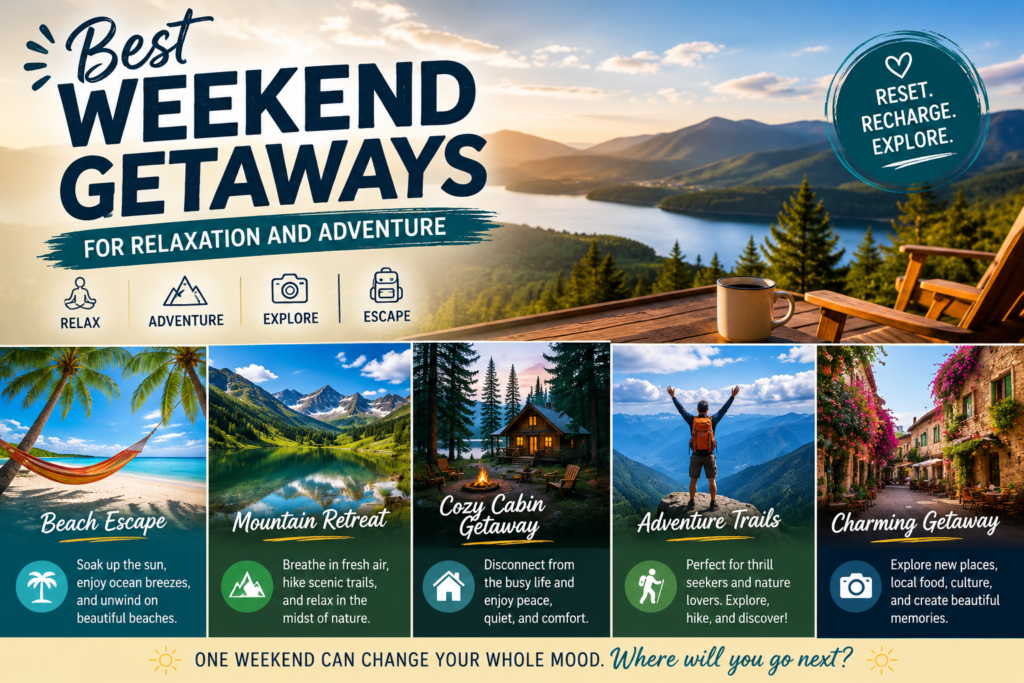
Some weekends call for total silence and a paperback. Others call for muddy boots and a sore back the next morning. I’ve built this around both, because honestly, most of us need one or the other depending on the week we just had.
Why a Weekend Actually Works Better Than It Should
Big vacations take months to plan, and that planning stress alone eats into the payoff. A weekend skips all of it. Pick a place, book one thing, go.
There’s also basically zero pressure for a two-day trip to be life-changing, and that low bar is exactly what makes it easier to relax once you’re there. I’ve genuinely had more restful moments on scrappy, half-planned weekends than on expensive week-long vacations I spent weeks color-coding in a spreadsheet.
One rule I stick to now: nothing past a three-hour drive. Anything further and you’re basically spending the weekend in a car. I broke this rule once, drove five hours to the coast, and spent more time on I-95 than I did with my feet in the sand. Never again.
Relaxation-Focused Getaways

Small Lake Towns
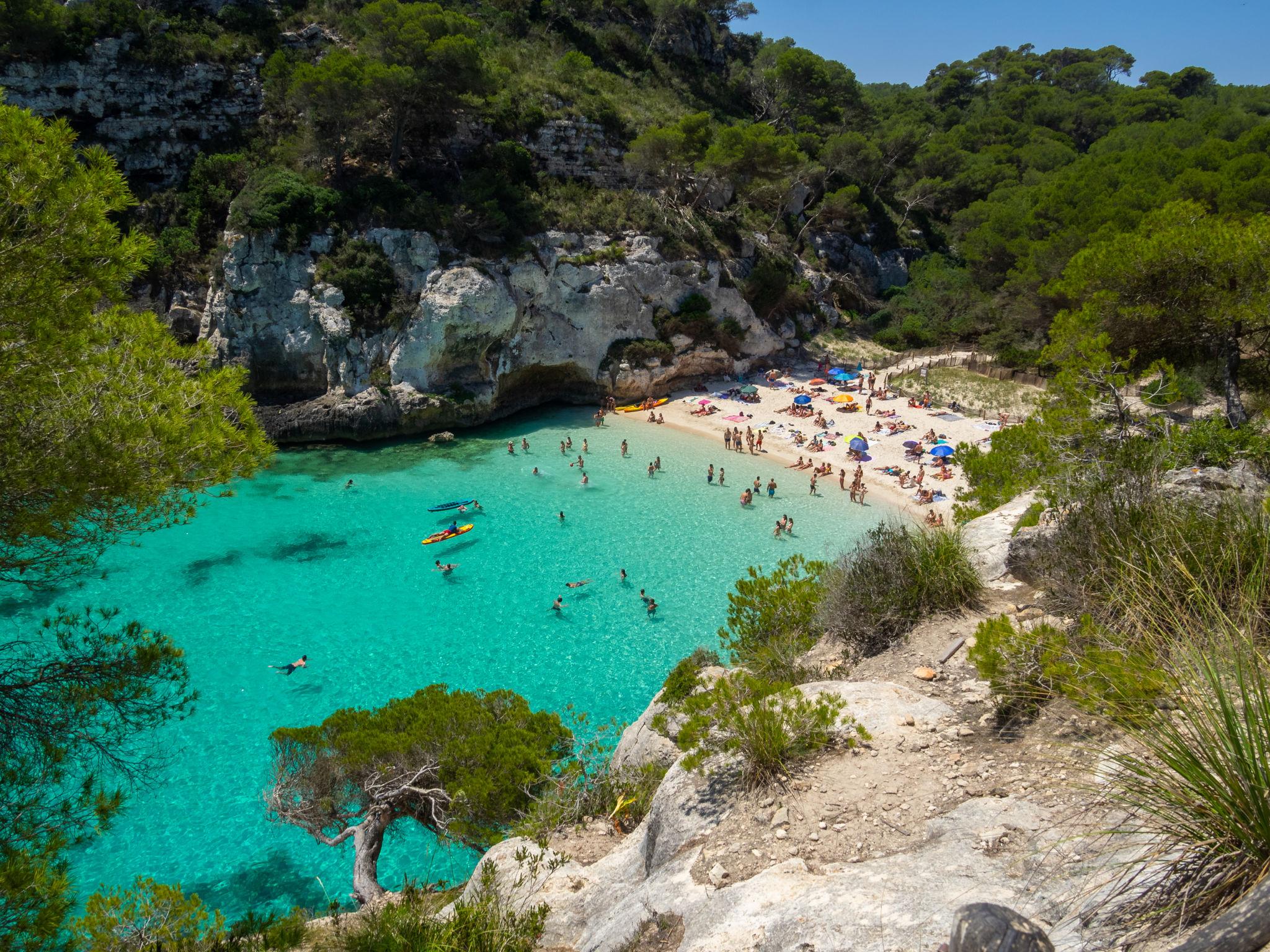
Water does something to people. I can’t fully explain it, but everyone I’ve brought to a lake town gets quieter within about an hour of arriving, myself included. Lake Geneva in Wisconsin and a handful of the smaller Finger Lakes towns in New York have both worked well for me, and neither requires more than a half-day drive from a major city nearby.
Skip the hotel here if you can swing it. A cabin booked through Airbnb or Vrbo gets you a kitchen, which means you’re not eating out for every single meal, and a porch over water beats any hotel balcony I’ve ever paid for.
Hot Springs and Spa Towns
Ojai, California. Hot Springs, Arkansas. Both built almost entirely around doing nothing, which sounds boring until you’ve actually tried it. There’s nothing to do but soak, read, and eat slowly, and that’s the entire point.
I learned this one the hard way. First spa weekend, I packed the itinerary with four separate activities across two days. By Saturday afternoon I was more stressed than when I’d left home. Now I leave most of the day blank on purpose.
Off-Season Beach Towns
July at the beach means fighting for parking and paying triple for a mediocre lunch. September at the same beach means empty boardwalks and rates that are half of what they were a month earlier. Cape May and Tybee Island both transform completely once the crowds thin out.
Bring layers. Coastal weather turns fast once summer ends, and I’ve been caught underdressed more than once chasing a sunset that came with a surprisingly sharp wind.
Mountain Cabin Retreats
The Blue Ridge Mountains. The Catskills. Both deliver that wood-smoke, no-cell-signal kind of quiet that’s genuinely hard to find anywhere else these days. When I book these, I actually search for “no service” as a selling point rather than treating it like a downside.
That first hour without signal always feels a little uncomfortable, like an itch you can’t scratch. Then it just stops mattering, and honestly, that’s usually the moment the actual trip begins. By the second morning I’ve usually forgotten my phone even has a signal bar to check, and getting it back on the drive home always feels a little anticlimactic.
Adventure-Focused Getaways
Hiking Basecamp Towns
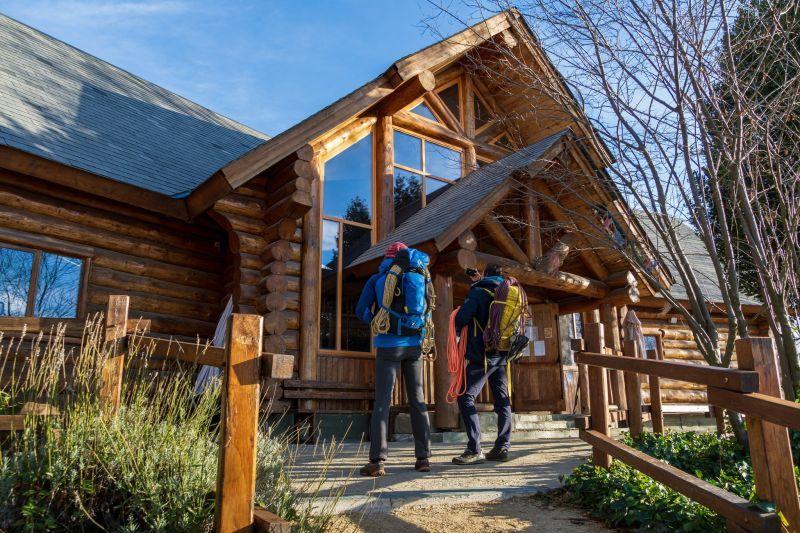
Asheville. Bend. Towns that basically exist to support trail access, minus the crowds you’d hit at a national park’s main gate. Trailheads sit a short drive from real coffee and a decent dinner, which matters more than people admit.
I scout everything through AllTrails first, filtering by difficulty and length so I’m not guessing once I’m standing at a trailhead. Reading the most recent reviews matters too. A trail described as “easy” in a five-year-old post might be a washed-out mess by the time you get there.
Quick National Park Trips
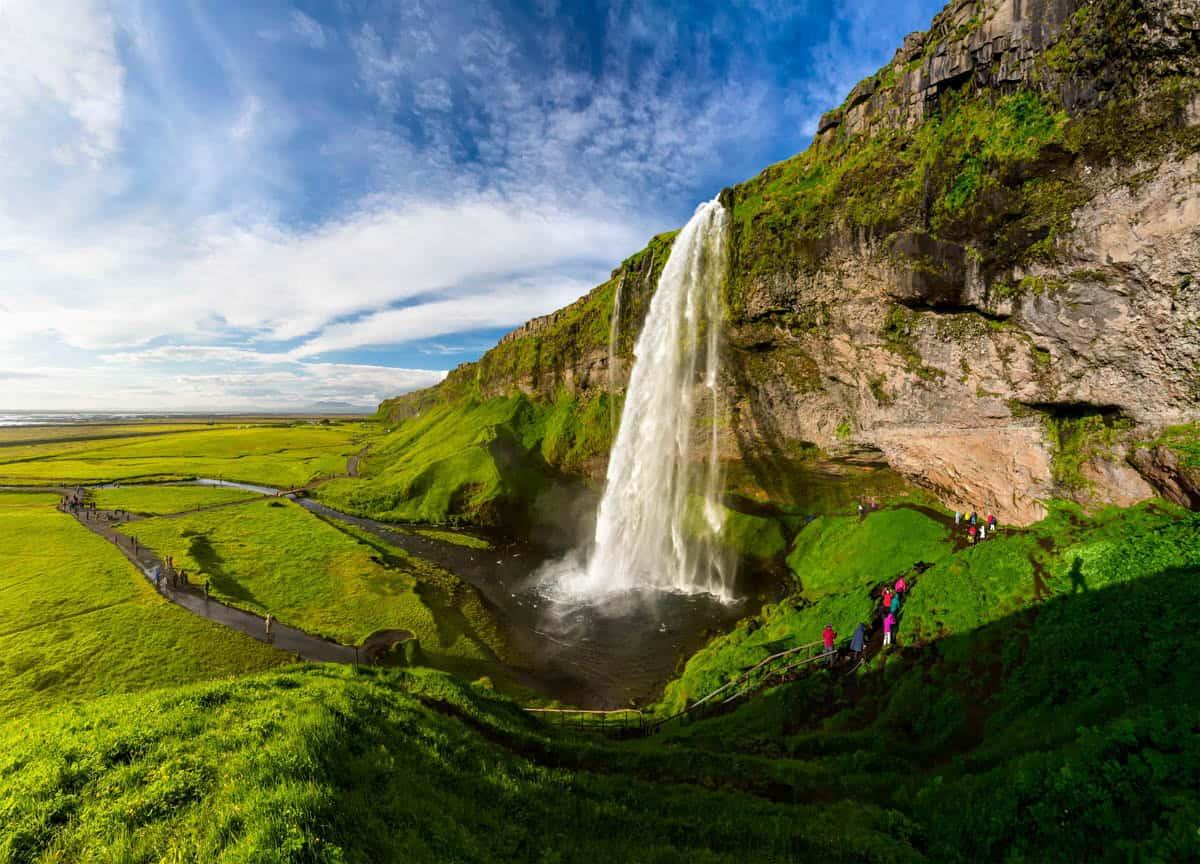
You don’t need a week for this. Two focused days, one or two hikes each morning, gives you a real feel for the place without the burnout of trying to see all of it. Shenandoah works this way. So does Zion, if you keep the itinerary honest.
Book campsites or nearby lodging through Recreation.gov well ahead of time. Popular parks sell out fast, sometimes months before a peak weekend even arrives.
Short Road Trip Loops
Sometimes the drive is the actual destination. A scenic loop through small towns turns travel time into part of the trip instead of dead air to survive. I planned a Vermont loop one October using the Roadtrippers app, and three of my favorite stops weren’t even on my original route. They were just towns that looked interesting on the map, so we pulled off.
Kayaking and Water Adventure Towns
Ely, Minnesota, near the Boundary Waters. Stretches of the Colorado River near Moab. Both give you paddling without needing to own a single piece of gear. Outfitters rent by the half day, which keeps the whole thing affordable.
My go-to move now is a guided trip for the first outing, then a solo rental for round two. Best mix of actual instruction and doing your own thing.
How to Plan a Weekend Trip Without the Planning Wrecking It
Overplanning a two-day trip kind of defeats the entire purpose. Here’s what I actually do.
Step 1: Pick a driving radius before a destination. Two to three hours, in my case. Search inside that circle instead of fixating on one specific town from the start.
Step 2: Book exactly one anchor, and stop there. A cabin. A hike. A soak. One anchor gives the weekend shape without locking every hour into a schedule you’ll resent by Saturday afternoon.
Step 3: Wait on the weather. Three days out, not three weeks. Long-range forecasts lie constantly, and I’ve cancelled plans over a “70 percent rain” prediction that turned into a completely sunny weekend.
Step 4: Pack from a saved list the night before. Mine lives in my phone’s notes app. I reuse it every time and only tweak it for climate.
Step 5: Buffer both ends. No plans for the first hour after arriving or the last hour before leaving. That buffer absorbs traffic, late checkout, or just needing ten extra minutes of coffee before hitting the road.
Real Examples From My Own Weekend Trips
That first lake trip, the one that started all of this, stayed almost entirely unplanned. A book by the water. One short hike I stumbled onto. Nothing else, and that’s exactly why it worked.
Asheville went the opposite way a year later. Two solid hikes, one each morning, then afternoons wide open for wandering downtown and eating wherever smelled good. Both trips worked, just for completely different moods.
Zion taught me the opposite lesson the hard way. Four hikes crammed into one day. By evening I was exhausted, short-tempered, and could barely remember the second half of the day. Fewer, better-chosen hikes beat cramming, every single time.
Then there was the rainy weekend near Shenandoah. Downpour hit on day two, and instead of pushing through a soggy trail, we sat under the rain fly playing cards for two straight hours. Somehow that ended up being the best part of the whole trip.
A solo trip to a hot spring town in Arkansas taught me something different entirely. No one to talk to, no plan to keep, just me, a paperback, and a pool that stayed exactly ninety-eight degrees the whole weekend. I came home more rested than after some entire vacations, and I’ve never quite figured out how two days managed that.
Packing for a Weekend Getaway
The Basics
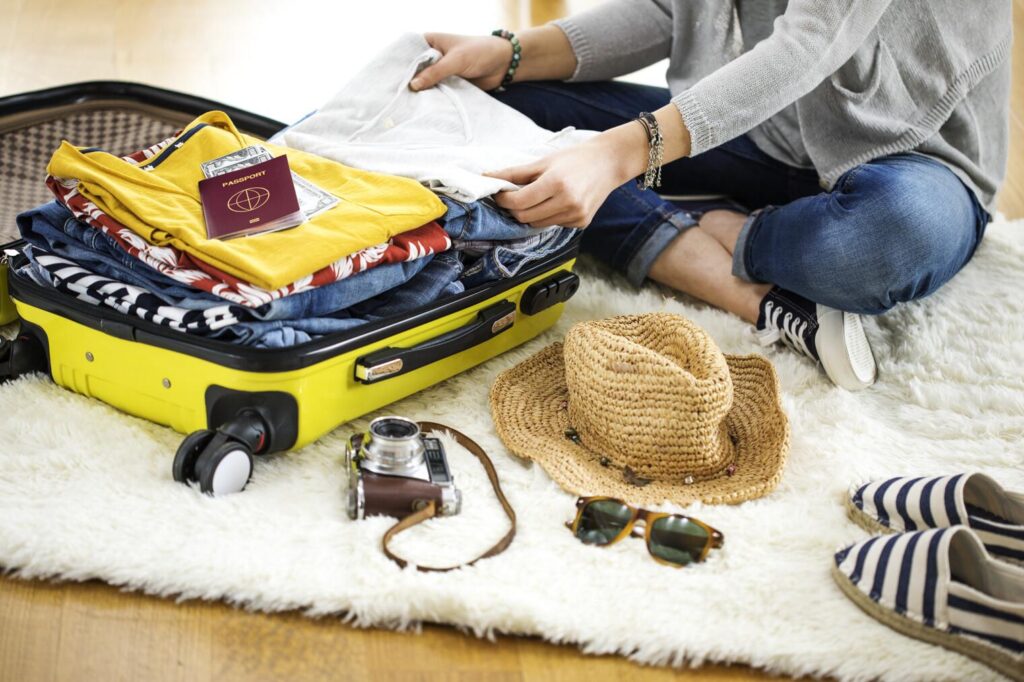
Overpacking for two days is uniquely wasteful, since you’re hauling a whole extra bag you didn’t need for forty-eight hours. One carry-on handles almost every trip I take now, relaxation or adventure. Layers beat volume, since weather can flip on you even within a single weekend.
Gear That Depends on the Trip
Broken-in hiking shoes, non-negotiable for adventure trips. I wore barely-worn boots on a Bend trip once and spent the entire second day limping on blisters. Never making that mistake twice.
For relaxation trips, I pack one actual paper book instead of leaning on my phone. There’s something about physical pages that makes disconnecting easier, instead of drifting into a scroll the second things go quiet.
A portable charger and an offline map round out the list. Signal drops out in a lot of the best weekend spots, and Google Maps offline downloads have bailed me out more than once in dead zones.
Common Mistakes People Make Planning Weekend Trips
Before You Even Leave
Picking a destination too far away is mistake number one. Five hours each way turns a two-day trip into mostly a driving trip, with barely any actual downtime once you get there.
Cramming five attractions into one day is mistake number two. It kills spontaneity, and spontaneity is usually where the best stuff happens anyway.
Skipping the cancellation policy is mistake number three, and it’s bitten me before. Plans shift more on short trips than people expect. Booking through something like Booking.com with flexible terms saves real stress when they do.
Once You’re There
Checking work email “just once.” Doesn’t stay once. It undoes most of the relaxation you came for, and I’ve fallen for this trap more times than I’d like to admit.
Trying to see everything instead of enjoying what’s right in front of you. Rushing between five spots rarely beats slowing down at two.
Skipping local advice for whatever’s top-rated online. Ask a barista or an innkeeper where they’d actually go. Some of my favorite finds came from a five-minute conversation, not a search result.
Overpacking the car with gear “just in case” also drags trips down more than people expect. I used to bring a full cooler, extra shoes, and enough layers for four seasons on a single two-day trip. Half of it came home untouched every single time, and packing it in the first place ate up an hour I could’ve spent actually leaving on time.
Choosing Between Relaxation and Adventure
Sometimes the harder question isn’t where to go, it’s what kind of weekend you actually need. I ask myself one blunt question before booking: am I physically tired, or mentally fried?
Physically tired usually points toward relaxation. Minimal movement, plenty of quiet. Mentally fried, weirdly, often responds better to adventure, since moving your body outside clears mental clutter in a way sitting still just doesn’t.
A hybrid works too. Morning hike, then a wide-open afternoon with nothing scheduled. That combo has become my default whenever I genuinely can’t tell which mode I’m in.
Talking it through with whoever you’re traveling with helps too. My partner and I used to just pick a destination and hope our energy levels matched once we got there. Now we actually say it out loud beforehand, something like “I need to move today, you need to sit,” and plan around both instead of assuming.
Traveling on a Budget Without Feeling Cheap
Where the Real Savings Are
Some of my favorite trips cost barely more than gas and a campsite fee. Camping instead of a cabin cuts costs fast, and Hipcamp makes finding unique, cheap sites easy, sometimes on private land with views a normal campground can’t touch. Cooking a couple meals instead of eating out every time adds up quicker than you’d think.
Splitting the Bill
Traveling with one other person or a small group splits lodging and gas, which suddenly makes a nicer stay feel affordable instead of indulgent. My move is picking one thing to splurge on, usually dinner, and keeping everything else simple.
Timing helps too. Friday-to-Sunday trips that skip a Saturday night stay, or trips built around a Tuesday holiday instead of a weekend, tend to come with noticeably better rates.
Best Times of Year for Each Type of Trip
Relaxation Timing
Late fall and early spring are the sweet spot. Crowds thin, rates drop, and the slower season just matches the whole point of the trip. Winter works surprisingly well for hot springs too. Soaking outdoors in the cold hits different than the same soak in July heat.
Adventure Timing
Late spring through early fall covers most hiking well, though checking a current trail report beats any general seasonal rule. Desert spots like Zion or Moab actually flip this. Summer heat there gets brutal fast, so spring or fall works better for full days outside.
Traveling With Kids or Pets
Family Trips
Kids don’t rule out relaxation, they just change what it looks like. A lake cabin with a dock gives everyone downtime at once, including the parents. Picking a spot with one built-in activity for the kids cuts down on the inevitable “I’m bored” by about ninety percent, in my experience.
Bringing the Dog
Pet-friendly cabins and campsites are far easier to find now through filters on Airbnb and Hipcamp. Double-check the actual pet policy before booking, not just the listing title. Bringing a familiar blanket or bed helps a dog settle into a strange space faster, and a settled dog makes for a much calmer trip overall.
Making the Most of Limited Time
Loose beats rigid, every time I’ve tested it. Knowing roughly what the first morning looks like kills decision fatigue. Everything after that can stay open.
Build in one slow stretch daily, even on adventure-heavy trips. Coffee on a porch. A long lunch with nowhere to be. That one slow moment usually ends up being the part I remember most once the trip’s over.
Keeping the Habit Going
Making It Routine
That first accidental lake trip could’ve stayed a one-off if I hadn’t turned it into an actual habit. I block a weekend every couple of months now, on the calendar, before life fills the space with something else. Treating it like a standing appointment, not something to squeeze in “whenever,” is the only reason it’s lasted three years.
Tracking What Worked
I keep a running note on my phone, just a line or two per trip on what worked and what flopped. Checking it before planning the next one has saved me from repeating mistakes, like overscheduling a relaxation weekend or lowballing drive time. Nothing fancy. Just a habit that’s quietly made every trip a little better than the last one.
Final Thoughts
None of this needs to be elaborate. That first lake trip cost less than a nice dinner out and did more for my head than most vacations I’ve taken since, expensive ones included, and I still think about that a little every time I’m tempted to overplan the next one.
What actually matters is going, instead of waiting for some perfect window that somehow never shows up. Two free days and a tank of gas are usually enough to shift something, even when the destination itself is nothing special on paper.
Pick whatever on this list matches the kind of tired you’re feeling right now. Book one simple thing, leave the rest open, and let the weekend handle the rest. You’ll probably come home with a story about something that went sideways, and honestly, that’s usually the part worth telling anyway.
What Actually Stuck With Me
Looking back over three years of these trips, the ones that stuck weren’t the most photogenic or the most planned. They were the ones where I actually let go of the schedule for two days straight. A rained-out hike. A wrong turn that led somewhere better than the original plan. A cabin with no signal, forcing an actual conversation over dinner instead of four thumbs scrolling under the table. Those unplanned bits end up mattering more than whatever was written on the original itinerary.
If you’re staring down weeks without a single break in sight, don’t wait for some big vacation to fix it. Block off one weekend. Pick somewhere a few hours out. Just go. That lake I stumbled onto by accident is still one of my favorite places on earth, and I only found it because I finally stopped waiting for the perfect plan and left anyway.
I still drive past the exit for it sometimes, even on trips headed somewhere else entirely, and I’ve never once regretted the detour. Somewhere out there is probably your version of that same lake. You just haven’t gone looking for it yet, and there’s really nothing stopping you from starting this weekend instead of some vague someday.