
I wore the same five t-shirts and one pair of jeans on rotation for most of my twenties. Fashion felt like a language everyone else somehow learned in school while I skipped that class entirely.
Everything changed after a job interview where the hiring manager later admitted, half joking, that my wrinkled shirt almost cost me the offer. That stung enough to finally sit down and actually learn what I’d been avoiding for years.
Turns out dressing well isn’t about expensive brands or complicated trends. It’s mostly about fit, a handful of solid basics, and knowing a few simple rules that most guys never bother learning.
Here’s everything I picked up through actual trial and error, including the embarrassing mistakes along the way.
Why Fit Matters More Than Anything Else You’ll Read Here
I used to buy clothes purely based on size labels, grabbing whatever “large” meant at whatever store I happened to be in. Every single item fit differently.
Once I actually got measured properly at a local tailor, everything about how clothes look on me changed completely. Same body, completely different result, just from wearing pieces cut correctly for my actual proportions.
How to check your fit at home
- Shoulders should end exactly where your actual shoulder ends, not hanging past it.
- Sleeves should stop right at your wrist bone.
- Shirts should skim your body without pulling tight across the chest or ballooning out at the waist.
- Pants should break slightly at your shoes, not pool in fabric around your ankles.
Spending twenty dollars getting a shirt properly tailored made a bigger visual difference than any expensive purchase I made that year.
Building a Simple Wardrobe Foundation

I used to buy trendy pieces impulsively, then realize months later they didn’t match anything else I owned. Half my closet sat unused because nothing coordinated properly.
Building around neutral basics fixed that problem almost immediately.
Core pieces worth owning
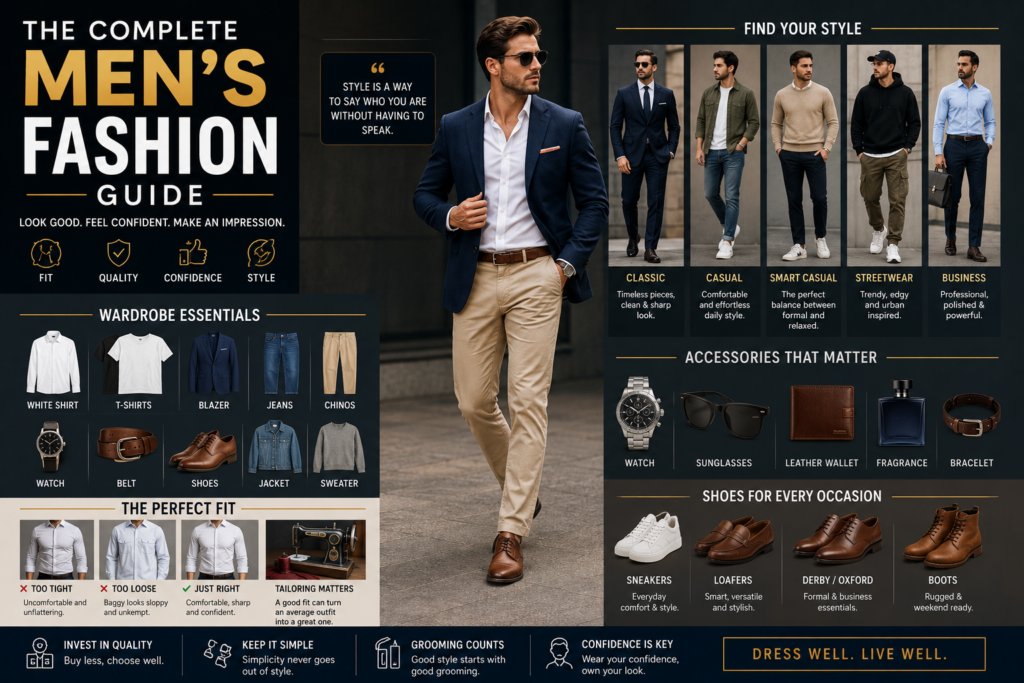
A well-fitted white t-shirt, a plain button-down in light blue or white, dark jeans without excessive distressing, a versatile blazer, and a solid pair of leather sneakers or boots. These five pieces alone combine into dozens of different outfits.
Brands like Uniqlo and J.Crew consistently offer solid basics at reasonable prices, while Everlane focuses specifically on simple, well-made staples if you want something slightly more premium.
1. Learn Your Actual Body Type
I spent years buying clothes designed for a completely different body shape than mine, wondering why nothing looked quite right despite fitting technically okay.
Understanding your general shape, athletic, slim, broader, or somewhere in between, helps you choose cuts that genuinely flatter instead of fighting against your proportions.
Quick guidance by build
Athletic builds generally look sharp in slim or tapered fits that show shoulder width without excess bulk elsewhere. Slimmer builds often benefit from slightly structured jackets adding visual dimension. Broader builds usually look best avoiding overly tight cuts that emphasize width unnecessarily.
2. Invest in Quality Denim
My first “good” pair of jeans came from a discount rack, and they stretched out of shape within two months, fading unevenly in places that looked genuinely bad.
Quality denim from brands like Levi’s, particularly their 511 or 502 fits, holds shape significantly longer and fades more evenly over time.
Caring for denim properly
Wash jeans less frequently than you’d think, roughly every ten wears unless visibly dirty. Turn them inside out before washing, and skip the dryer when possible to preserve shape and color longer.
3. Master the Basics of Color Coordination
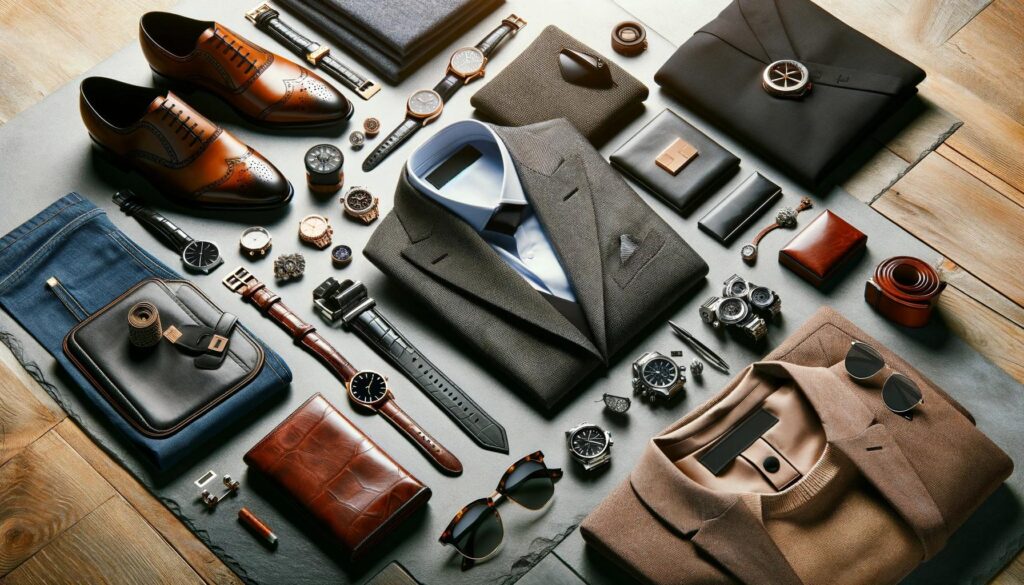
Color coordination intimidated me for years until a stylist friend explained it far simpler than I expected.
Neutral colors, navy, gray, black, white, beige, form your foundation. One accent color per outfit keeps things interesting without looking chaotic or mismatched.
A simple rule worth remembering
If unsure, pair one neutral top with one neutral bottom, then add a single accent piece, a colored watch, a patterned tie, or a distinctive jacket, rather than combining multiple bold colors simultaneously.
4. Footwear Changes Everything
I underestimated shoes for years, treating them as an afterthought rather than a core part of any outfit.
A single scuffed, worn-out pair of sneakers can undermine an otherwise sharp outfit instantly. Quality footwear, even just two or three versatile pairs, elevates everything else you’re wearing.
Shoes worth owning
Clean white sneakers for casual settings, brown leather boots for versatile semi-casual wear, and one pair of dark leather dress shoes for formal occasions cover nearly every situation you’ll encounter.
Brands like Allbirds work well for comfortable everyday sneakers, while Clarks and Cole Haan offer solid, affordable leather options for boots and dress shoes.
5. Understand Occasion-Appropriate Dressing

I once showed up to a semi-formal work event in jeans and sneakers, completely misreading the invitation’s actual expectations. Genuinely embarrassing, and entirely avoidable with a little research beforehand.
Quick occasion breakdown
Casual settings call for well-fitted jeans, a clean t-shirt or casual button-down, paired with sneakers. Business casual typically means chinos or dress pants with a button-down or polo, finished with loafers or clean leather shoes. Formal occasions require a proper suit, dress shirt, and polished dress shoes.
When genuinely unsure what an invitation means, asking the host directly beats guessing and showing up dressed incorrectly.
6. Grooming Matters Just as Much as Clothing
Great clothes on an unkempt beard or wrinkled shirt still look messy overall. Grooming and clothing work together, not separately.
Simple grooming habits worth building
Keep facial hair trimmed and intentional rather than patchy or overgrown. Iron or steam wrinkled clothing before wearing it, a cheap handheld steamer works surprisingly well for quick touch-ups. Trim nails regularly, and don’t skip basic skincare, even a simple moisturizer makes a visible difference over time.
7. Layer Properly for Different Seasons
My early attempts at layering usually resulted in looking bulkier rather than intentionally styled, mostly from choosing pieces that fought against each other in bulk and cut.
Layering basics that actually work
Start with a fitted base layer, add a slightly looser middle layer like a sweater or flannel, then finish with a structured outer layer such as a jacket or coat. Each layer should be slightly looser than the one underneath to avoid a stuffed, uncomfortable look.
A quality denim jacket or a simple bomber jacket works well as a versatile middle-ground layer across most seasons.
8. Accessories Should Be Subtle, Not Overwhelming
I went through a phase of wearing multiple bracelets, a large watch, and a chain simultaneously, thinking more accessories automatically meant a more finished look. It didn’t. It just looked cluttered.
A simpler approach
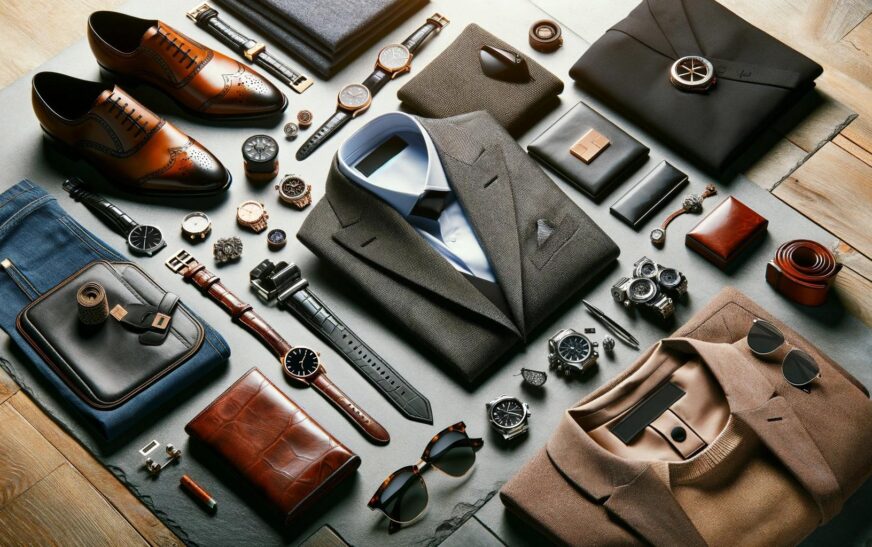
Pick one or two accessories maximum per outfit, a quality watch and perhaps a simple ring or bracelet. Let those pieces stand out individually rather than competing against each other for attention.
9. Know When to Actually Get Clothes Tailored
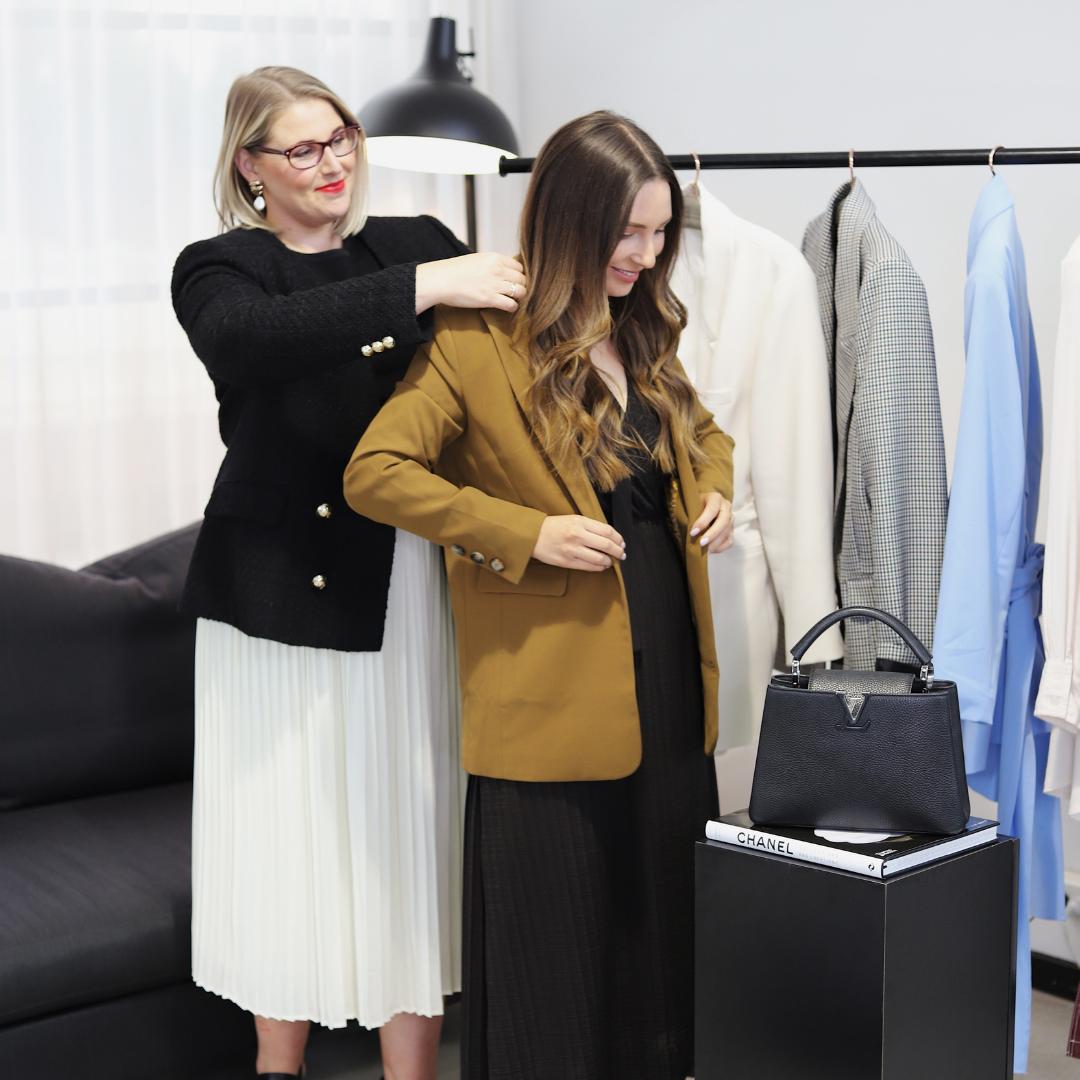
I avoided tailors for years, assuming that service was reserved for expensive suits or formal wear exclusively.
Tailoring works wonders on affordable clothing too. A ten or fifteen dollar hem adjustment or waist take-in can transform an inexpensive pair of pants into something that fits like it was made specifically for you.
When tailoring makes sense
Anytime shoulders fit properly but sleeves run long, or pants fit well through the hips but pool excessively at the ankles, a quick tailor visit solves the problem far better than searching endlessly for a “perfect” off-the-rack fit that rarely exists.
10. Build a Capsule Wardrobe for Easier Mornings
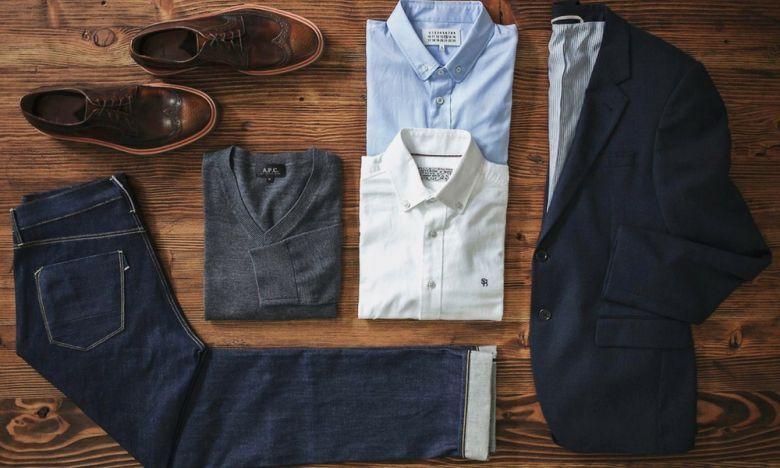
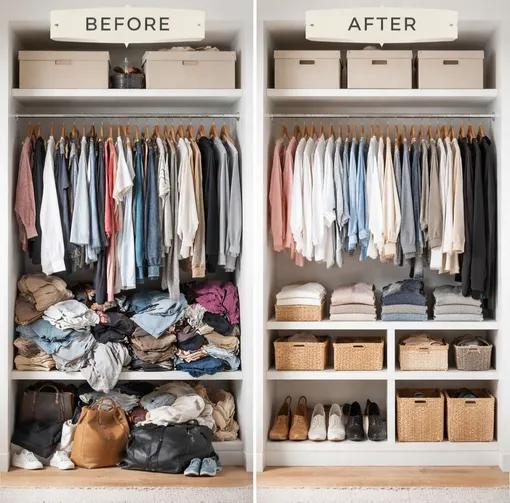
Decision fatigue used to genuinely slow down my mornings, standing in front of a closet full of clothes yet somehow feeling like I had “nothing to wear.”
A capsule wardrobe, a smaller collection of versatile, coordinating pieces, eliminated that problem almost entirely.
Building your own capsule
- Choose a core color palette, two or three neutrals plus one or two accent colors.
- Select roughly ten to fifteen versatile pieces that all coordinate within that palette.
- Add seasonal pieces sparingly rather than constantly expanding the collection.
- Remove items you haven’t worn in six months or longer.
Apps like Stylebook help catalog your existing wardrobe digitally, making outfit planning noticeably easier once everything’s organized in one place.
Common Fashion Mistakes Worth Avoiding
Wearing oversized clothing assuming it looks relaxed, when it usually just looks sloppy and unintentional instead.
Ignoring proper shoe care, scuffed or dirty shoes undermine even genuinely well-put-together outfits instantly.
Buying trendy pieces impulsively without considering whether they’ll coordinate with anything else already owned.
Skipping tailoring entirely, assuming off-the-rack sizing alone guarantees a good fit, which it rarely does for most body types.
Overloading outfits with too many colors, patterns, or accessories simultaneously, creating visual chaos rather than intentional style.
A Few Things Worth Keeping in Mind
Personal style develops gradually through actual trial and error, not through memorizing rigid rules perfectly on the first attempt.
What works well for one body type or personal aesthetic might need adjusting for your own specific proportions and preferences. Treat these guidelines as a genuinely helpful starting point rather than strict, unbreakable requirements.
Budget-friendly options exist at nearly every price point, quality basics don’t necessarily require expensive designer labels to look genuinely sharp and well put together.
Final Thoughts
That wrinkled shirt from years ago still occasionally crosses my mind, mostly as a reminder of how much a few simple adjustments actually changed things.
Dressing well was never really about following trends closely or spending significant money constantly. It came down to understanding proper fit, building a foundation of solid basics, and paying attention to small details most people overlook entirely.
Start small if this all feels overwhelming right now. Get one shirt properly tailored, replace one worn-out pair of shoes, or simply pay closer attention to how your current clothes actually fit. Small adjustments genuinely compound into a noticeably sharper overall look over time.