
I sat in a dusty library corner at sixteen, flipping through a book about unsolved mysteries. I felt sure I was about to uncover some secret nobody else had noticed. I didn’t solve anything that day. But that obsession never really left me. Almost twenty years later, I still spend too many weekends chasing research rabbit holes about disappearances, ancient ruins, and mysteries historians still argue about.
Here’s what I’ve learned along the way. Most of these mysteries aren’t unsolved because nobody looked. They’re unsolved because the evidence is messy, incomplete, or scattered across records that don’t always agree with each other. I find that more interesting than a tidy answer.
Let’s walk through some of the most fascinating historical mysteries out there. We’ll cover what we actually know, what’s just speculation dressed up as fact, and how you can dig into this stuff yourself without falling for exaggerated claims online.
Why These Mysteries Still Grab Us
Humans like patterns and closure. An unsolved mystery leaves a gap in the story. Our brains hate gaps. That’s part of why shows, podcasts, and documentaries about historical mysteries do so well. We want the missing piece.
Here’s the tricky part. Wanting an answer badly enough can make people accept weak evidence just because it feels satisfying. I’ve fallen into that trap myself. I got excited about a theory, only to find out later that the “evidence” rested on a single misread photograph or an unverifiable claim.
I started treating these mysteries like a detective would. I checked sources. I questioned dramatic claims. I separated fact from popular myth. The whole hobby became far more rewarding once I did.
The Case of the Roanoke Colony
In 1587, roughly one hundred and fifteen English settlers arrived on Roanoke Island, in what’s now North Carolina. Three years later, supply ships finally returned. They found the colony completely empty. No bodies turned up. No signs of battle appeared. Someone had carved the word “CROATOAN” into a post.
Popular retellings once leaned into dramatic theories involving mass slaughter or supernatural disappearance. A more grounded explanation exists though, based on archaeological work and historical records. The settlers likely integrated with nearby Croatoan or other Indigenous communities. Failed supply lines and worsening relations with English leadership back home probably pushed them toward that choice.
Recent digs led by groups like the First Colony Foundation found English artifacts at sites away from Roanoke Island itself. This supports the theory that survivors relocated instead of vanishing into thin air. The case isn’t fully closed, but it’s far less mysterious than old textbooks made it seem.
Amelia Earhart’s Disappearance
This case still fascinates me. So much documented evidence exists, yet the ending remains unclear. In 1937, Earhart and navigator Fred Noonan disappeared during an attempt to fly around the world. Their last known position placed them near Howland Island in the Pacific.
The U.S. government’s official position at the time blamed a fuel shortage and a crash into the ocean. Most historians and aviation experts still consider that the most likely explanation.
Over the decades though, researchers with groups like TIGHAR proposed a different ending. They suggested Earhart may have landed on Nikumaroro Island. Found artifacts, like a shoe sole and aircraft debris fragments, support this theory. Nobody has definitively confirmed these items belonged to Earhart’s plane. DNA testing on bone fragments found decades ago also remains inconclusive.
This case taught me something important. Circumstantial evidence often gets treated as proof once a theory becomes popular. Interesting clues aren’t the same as confirmation.
The Voynich Manuscript
This one genuinely creeps me out, in a fascinating way. The Voynich Manuscript is a handwritten book dating back to the early 1400s. It’s filled with illustrations of plants that don’t match any known species. It also contains an entirely unknown written script that nobody has fully translated.
Cryptographers and linguists have tried to decode it for decades. Even AI language models have taken a shot at it recently. Some researchers argue the manuscript might be an elaborate hoax, created to sell to wealthy collectors. Others believe it represents a real but extinct language, or a complex cipher system lost to history.
Several viral claims of “cracking the code” have surfaced over the years. Actual linguists debunked most of them shortly after, once the proposed translations failed to hold up under scrutiny. This case shows how fast a sensational headline spreads compared to the correction that follows it.
The Mystery of Stonehenge
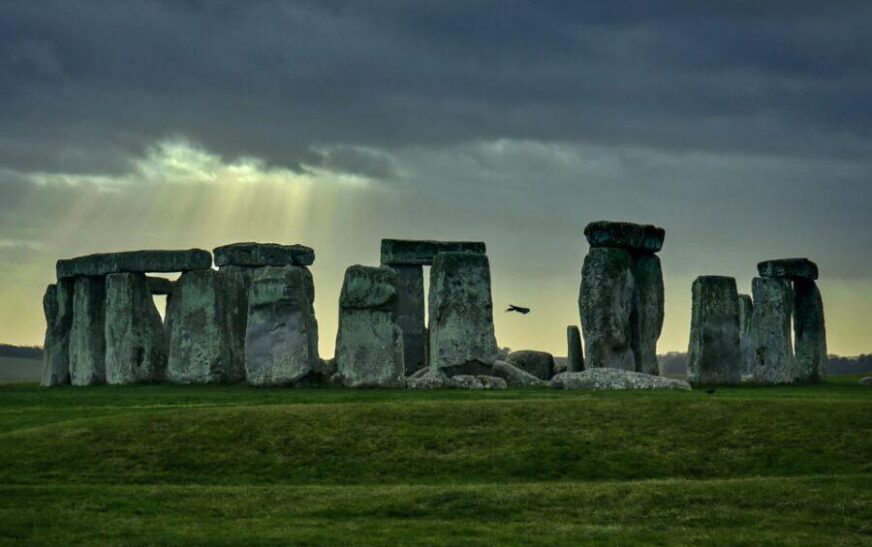
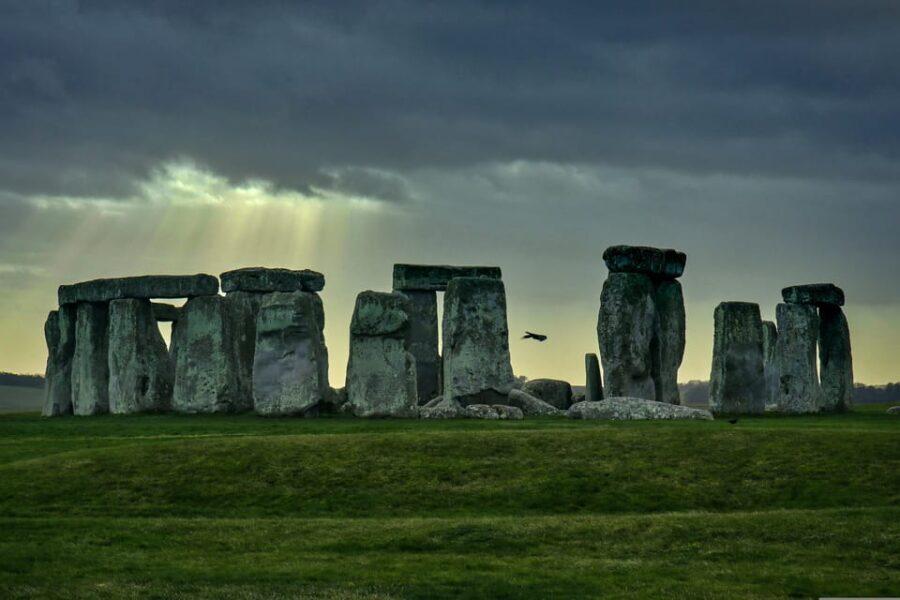
Stonehenge draws millions of visitors every year. Standing near those massive stones does something to your imagination that photos never quite capture.
Popular explanations once ranged from ancient astronomical calendars to sites for Druid rituals. Modern archaeological research suggests something more layered. The site evolved over centuries and likely served multiple purposes, including ceremonial gatherings, burial practices, and alignment with solstice events.
Recent studies, including research from University College London, suggest builders transported some of the massive stones from quarries in Wales, over one hundred and fifty miles away. Archaeologists still debate the exact method used, whether sledges, rollers, or water transport made the journey possible.
Here’s what strikes me most about Stonehenge. The real mystery isn’t who built it. It’s why anyone went through such extreme effort to build it at all.
The Mary Celeste
Sailors found the Mary Celeste drifting in the Atlantic Ocean in 1872, completely abandoned. Nobody ever found the crew. The ship remained in decent condition, and most of the cargo stayed intact. No clear signs of struggle or disaster turned up anywhere on board.
Popular theories over the years ranged from pirate attacks to sea monster encounters. Most of these carry no real supporting evidence. A more grounded explanation points to fear. The crew may have abandoned ship during rough weather, worried about an explosion from leaking alcohol fumes in the cargo hold. They likely couldn’t make it back once they left in a lifeboat.
Nobody has ever found confirmed wreckage of that lifeboat or the missing crew. This explanation remains an educated guess rather than a settled fact.
Step-by-Step: How to Research Historical Mysteries Without Falling for Misinformation
Want to dig into topics like these yourself, instead of just watching dramatized documentaries? Here’s the approach that has worked well for me.
Step 1: Start With Primary Sources When Possible
Look for original documents, letters, or official records first. Skip the secondhand retellings when you can. Sites like the National Archives or the Library of Congress digital collections often have scanned original documents you can view yourself.
Step 2: Cross Check Claims Across Multiple Reputable Sources
Does only one blog or video make a specific claim? Treat it as unverified until you find it backed by academic sources, museums, or established historians.
Step 3: Use Academic Databases for Deeper Research
Google Scholar works well here. It gives you access to peer reviewed papers on archaeological findings, historical analysis, and expert commentary that goes far beyond surface level summaries.
Step 4: Pay Attention to Publication Dates
Historical understanding evolves as new evidence surfaces. An article from 2005 about a mystery might already be outdated compared to more recent digs or DNA testing advancements.
Step 5: Separate Confirmed Facts From Popular Theories
I keep two mental columns whenever I research a mystery now. One column holds what’s actually proven through evidence. The other holds the most popular or dramatic theory. Casual retellings often blend these two categories together.
Real Tools and Platforms for History Enthusiasts

Google Scholar gives free access to a huge range of academic papers on archaeology, anthropology, and historical analysis.
JSTOR offers access to countless historical journals. Some are available free with a basic account, which helps with deeper research beyond surface level articles.
Smithsonian Magazine’s online archive regularly publishes well-researched, fact-checked pieces on historical mysteries. The writers often cite actual archaeologists and historians directly.
The National Archives’ website lets you browse original historical documents, letters, and records tied to major historical events, including several unresolved mysteries.
YouTube channels like Fall of Civilizations or Extra History take a measured, well-researched approach. They clearly separate established fact from speculation, unlike a lot of sensationalized mystery content.
A Real Example: How I Got Fooled by a Popular Theory
I once believed a popular online article claiming the Bermuda Triangle had scientifically unexplainable disappearance rates compared to other ocean regions. The article cited dramatic statistics and mysterious patterns.
I later dug into insurance industry data and reports from organizations like the U.S. Coast Guard. The disappearance rate within the Bermuda Triangle isn’t statistically higher than other heavily trafficked ocean areas with similarly unpredictable weather. The mystery turned out to be far less mysterious than dramatized retellings suggested.
That experience taught me a simple habit. Always check where a dramatic claim actually originates, rather than accepting a compelling narrative at face value.
Common Mistakes People Make When Exploring Historical Mysteries
Mistake 1: Treating popular documentaries as fully factual. Many prioritize dramatic storytelling over cautious, evidence based conclusions.
Mistake 2: Ignoring the difference between theory and confirmed fact. Popularity doesn’t make a theory true. Repetition doesn’t either.
Mistake 3: Relying on a single source for major claims. Cross referencing multiple credible sources helps you avoid spreading outdated or incorrect information.
Mistake 4: Assuming older explanations are always outdated, or newer ones always correct. Older research sometimes holds up well. Newer sensational theories sometimes don’t survive scrutiny. Evidence quality matters more than age.
Mistake 5: Skipping context around the time period. Understanding the political, social, and technological context of an era often explains a mystery better than dramatic speculation ever could.
Why Some Mysteries May Never Be Fully Solved
Not every historical mystery gets a satisfying resolution. That’s part of what makes this subject endlessly interesting. Records get lost. Physical evidence deteriorates. Sometimes the people involved simply took their answers to the grave.
Archaeological and forensic technology keeps improving though. Tools like ground penetrating radar, improved DNA testing, and satellite imaging have already reopened cases once considered permanently unsolvable. Ongoing research into Earhart’s disappearance and Roanoke’s fate proves that even centuries old mysteries can shift with new discoveries.
Final Thoughts
Exploring historical mysteries taught me something I didn’t expect going in. Memorizing dramatic theories isn’t the valuable skill here. Learning to evaluate evidence carefully, and staying comfortable with uncertainty when no clear answer exists, matters far more.
New technology or newly discovered records will eventually solve some mysteries. Others might remain open questions for generations, quietly waiting for someone curious enough to look a little closer.
Do you ever find yourself falling down one of these research rabbit holes, the way I did as a teenager? Take your time with it. Check your sources. Question dramatic claims. Enjoy the process of untangling fact from popular myth. That process, more than any single answer, is usually where the real fascination lives.