
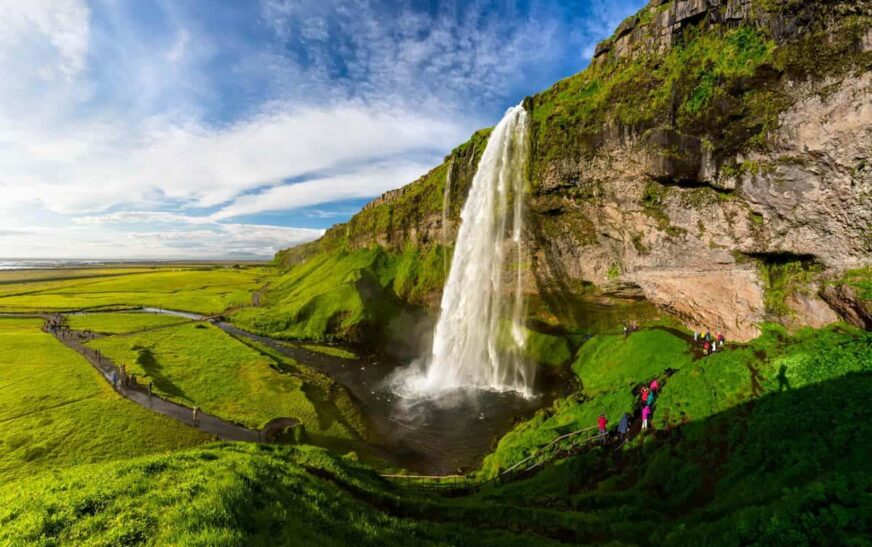
I still remember standing on a cliff in Santorini at 6 AM. I was half asleep, holding a paper cup of terrible hotel coffee. The sky turned from grey to pink to gold right in front of me. My phone battery was at 12% because I forgot to charge it the night before. I panicked, thinking I’d miss the shot everyone talks about. And honestly? The photo I got wasn’t even that great. But the moment itself changed something in me. That’s the weird thing about travel. The pictures rarely capture it, but your body remembers.
If you’ve ever scrolled through Instagram at 1 AM, saving travel reels into a folder you’ll “definitely visit someday,” this article is for you. I’ve spent the last several years chasing these bucket-list destinations. Sometimes I had a solid plan. Sometimes I had absolutely none. Along the way I made plenty of mistakes. I wasted money on things I didn’t need. I also stumbled into experiences no travel blog warned me about.
So let’s talk about the places worth seeing at least once. More importantly, let’s talk about how to actually make the trip happen without losing your savings or your sanity.
Why Some Places Just Hit Different
Not every beautiful location is a bucket-list location. There’s a difference between “nice view” and “this changed how I see the world.” The places on this list tend to share a few things in common.
They mess with your sense of scale. Standing under a massive glacier or inside an ancient temple makes you feel small in a good way. They also tend to involve some kind of light. Sunrise, sunset, or the northern lights doing their thing overhead. A lot of these places are hard to reach too, and that somehow makes arriving feel earned.
I’ve noticed something about the destinations people talk about for years afterward. They usually involve some element of struggle. A long hike, a rough flight, a language barrier you had to work through. The easy trips are fun, but the hard ones stick.
My Life-Changing Travel List
Here’s the thing. This isn’t a random top-ten list copied from a magazine. These are places I’ve either visited myself or researched deeply through friends and detailed trip reports. I can talk about them honestly, mistakes and all.
Santorini, Greece
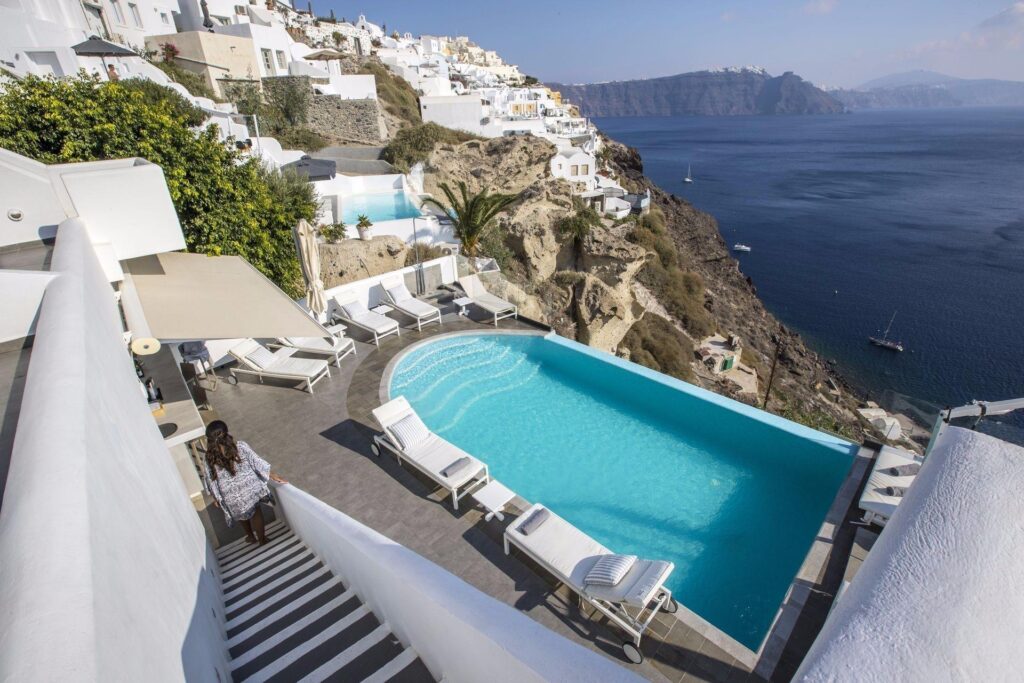
Everyone knows the white buildings and blue domes. Nobody tells you how brutal the crowds get by 9 AM at Oia. My advice is simple. Set an alarm you’ll actually hate, get there before sunrise, and grab a spot near the castle ruins instead of the main viewpoint everyone fights over.
Also, skip the overpriced sunset cruises unless you genuinely want the Instagram footage. A simple walk along the caldera path gives you the same view for free.
Kyoto, Japan
Kyoto taught me that timing matters more than location. I visited Fushimi Inari Shrine at 2 PM once, and it felt like Times Square with torii gates. I went back at 6:30 AM the next morning. It was just me, a few monks, and total silence. Same place, completely different experience.
Rent a bike if you can. Kyoto is flat and walkable, and it’s full of little alleyways that Google Maps won’t show you clearly.
Machu Picchu, Peru
This one requires actual planning, not the throw-a-dart-at-a-calendar kind. Permits sell out months ahead, especially for the Inca Trail. I learned this the hard way. I tried booking six weeks before my trip and got stuck taking the train route instead.
Honestly, the train isn’t a bad backup. But if hiking matters to you, book at least four to five months out through a licensed tour operator.
Iceland’s Ring Road
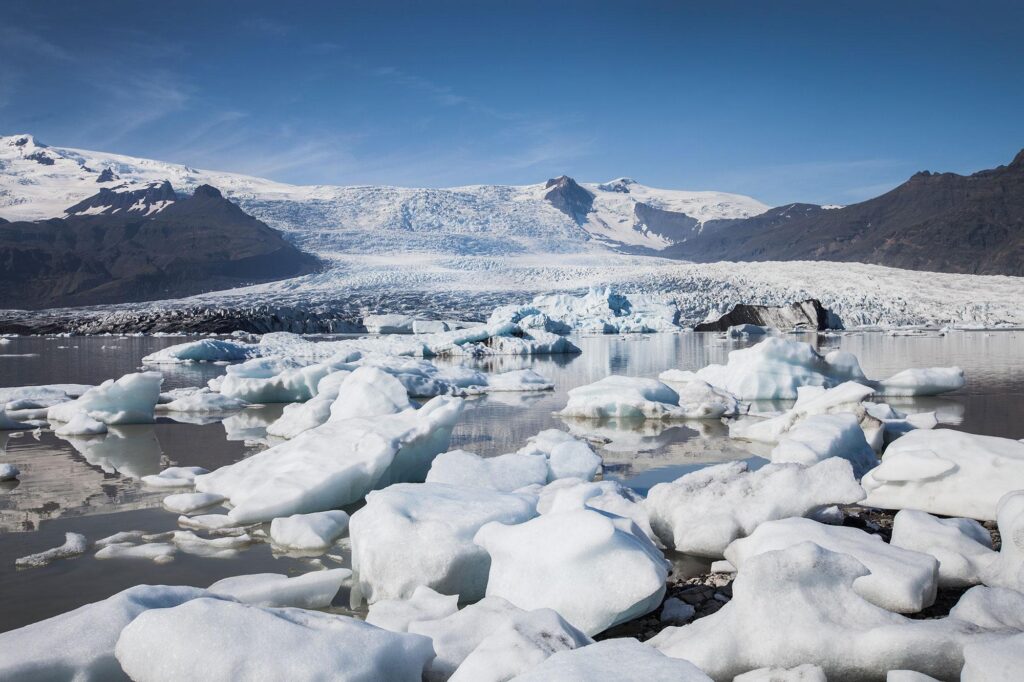
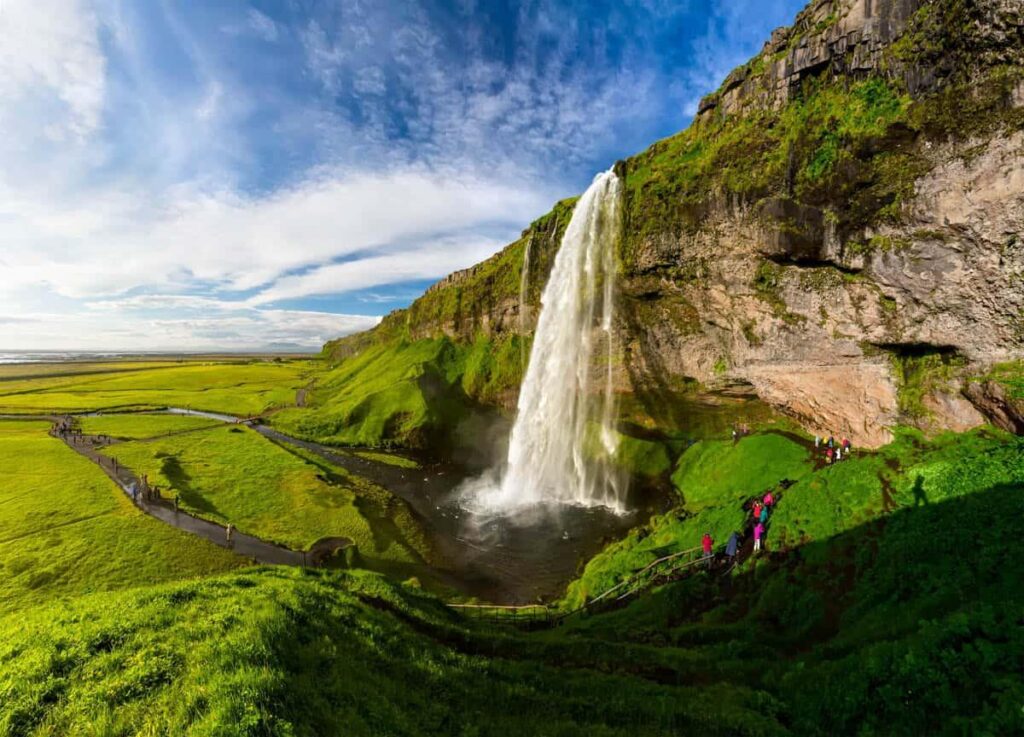
Driving Iceland’s Ring Road felt like being inside a nature documentary. Waterfalls popped up every twenty minutes. Black sand beaches and glaciers you can literally walk on with the right gear filled the rest of the drive. I used an app called Vedur for weather updates, since Icelandic weather changes its mind constantly, sometimes within the same hour.
One mistake I made was underestimating how expensive food is there. Groceries from Bonus, a discount supermarket chain, saved me a small fortune compared to eating out every meal.
Chasing the Northern Lights in Norway or Sweden
Seeing the aurora borealis is one of those experiences that photos genuinely fail to capture. The movement is what gets you. It ripples across the sky like green smoke, and none of that translates to a still image.
I used an app called My Aurora Forecast to track activity levels. Honestly, patience matters more than luck here. I waited three nights in a row before finally catching a decent show. Bring layers, bring a tripod if you’re into photography, and manage your expectations, since clear skies aren’t guaranteed.
The Grand Canyon
People assume the Grand Canyon is just a big hole you look at for ten minutes and leave. That couldn’t be further from the truth. Hiking even part of the Bright Angel Trail gives you a totally different perspective than staring from the rim.
Start early. Bring way more water than you think you need. Don’t attempt a rim-to-rim hike unless you’re genuinely prepared for it. I met a couple on the trail who underestimated the heat and had to be helped back up by rangers.
Venice, Italy
Venice gets a bad reputation for overtourism, and honestly, some of that criticism is fair. But wander two streets away from San Marco Square. Suddenly you’re alone on a quiet canal with laundry hanging between buildings. That contrast is what makes the city special.
Visit early morning or later in the evening. Midday Venice, especially in summer, can feel like a theme park.
Bali, Indonesia
Bali surprised me. I expected beaches and Instagram swings, and there’s plenty of that. But the rice terraces in Tegallalang and the temples in Ubud gave the trip actual depth. Renting a scooter opened up parts of the island that tour buses never reach.
Just wear a helmet. Please don’t attempt Bali traffic if you’ve never ridden a scooter before. I saw more than one tourist limping around with bandaged knees.
Petra, Jordan
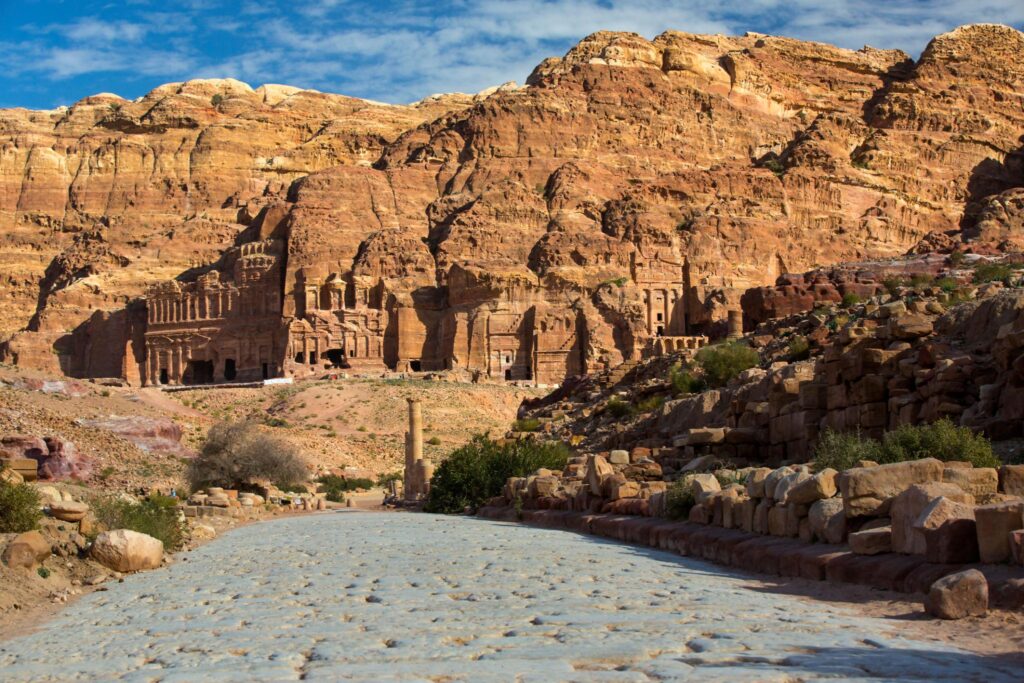
Nothing prepares you for walking through the Siq, that narrow rock canyon, and suddenly seeing the Treasury appear through the gap. Photos of Petra flatten it somehow. In person, the scale of the carved facade against the pink sandstone actually makes your stomach drop a little.
Go at first light if you can manage it. The site opens early, and arriving before the tour groups gets you a few minutes almost alone in front of the Treasury. A local guide told me most visitors only see ten percent of Petra. They stop after the main entrance. Push further to the Monastery, even though the climb involves close to a thousand steps. It’s worth every burning muscle.
The Great Barrier Reef, Australia
I’ll admit I went into this one nervous. I’m an average swimmer, and the idea of snorkeling above a massive coral reef felt intimidating. Turns out most tour operators, like Passions of Paradise or Sunlover Reef Cruises, hand out flotation vests. Guides also stay close the entire time.
What surprised me most was the color. Nature documentaries make it look almost fake. Seeing actual clownfish darting between anemones a few feet below you hits differently than watching it on a screen. Sadly, bleaching has damaged parts of the reef. This is one of those places where visiting sooner rather than later genuinely matters.
The Swiss Alps, Interlaken Region
Interlaken sits between two lakes and works as a base for exploring peaks like Jungfrau and Schilthorn. Taking the cogwheel train up to Jungfraujoch puts you above the clouds at over 11,000 feet. Locals call it the Top of Europe.
Bring sunglasses rated for high altitude glare. The reflection off the snow is intense even on cloudy days. I underestimated the cold once and ended up buying an overpriced beanie at the summit gift shop. Check the SBB app beforehand for train schedules. The Swiss rail system runs like clockwork, and missing a connection throws off the whole day.
Marrakech, Morocco
The medina in Marrakech is chaos in the best possible way. Winding alleys, spice stalls, leather workshops, and vendors calling out prices fill every corner. Every price is negotiable too. My first attempt at bargaining was embarrassing. I paid full price for a lantern that a fellow traveler later got for half as much just two stalls over.
Jemaa el-Fnaa square transforms completely after sunset. It fills with food stalls, musicians, and storytellers. Hire a licensed guide for at least one day. The medina’s layout confuses even experienced travelers, and a guide helps you avoid the more aggressive tourist traps.
The Amalfi Coast, Italy
Driving the coastal road between Positano and Amalfi felt like being in a car commercial, except terrifying. The road hugs cliffs with barely enough space for two cars to pass. I’d honestly recommend taking the SITA bus instead of renting a car. Local drivers navigate those hairpin turns with a confidence that’s hard to replicate as a tourist.
Ravello, a smaller town up in the hills, gets overlooked compared to Positano. But the gardens at Villa Cimbrone offer one of the best coastal views in the entire region, and without the crowds.
How to Actually Plan These Trips Without Losing Your Mind
Dreaming about a destination is easy. Making it happen takes a bit of structure. Here’s the process that’s worked for me repeatedly.
Step 1: Pick one destination, not five. Trying to plan multiple bucket-list trips at once leads to decision paralysis. Choose one, commit, and move forward.
Step 2: Set a realistic budget range. Use Google Flights to track price history for your route. Prices fluctuate constantly, and setting a price alert saves you from overpaying out of impatience.
Step 3: Book accommodations with flexible cancellation. Booking.com and Airbnb both offer free cancellation on many listings. Plans change and flights get delayed. Having flexibility removes a huge chunk of stress.
Step 4: Research the best season, not just the cheapest one. Shoulder season, right before or after peak tourist months, often gives you good weather. Crowds shrink, and prices drop too.
Step 5: Build a loose itinerary, not a rigid one. I used to schedule every hour of every day. Big mistake. Leave breathing room for detours, bad weather, or simply feeling tired and wanting a slow morning.
Step 6: Download offline maps before you land. Google Maps lets you save offline regions. This saved me multiple times in areas with spotty signal, especially in rural Iceland and parts of Peru.
How I Actually Save Up For These Trips
People assume I have some secret income stream. Honestly, no. Most of these trips got funded through boring, unglamorous saving habits.
Building the Habit
I opened a separate savings account specifically labeled “travel,” so the money never mixed with regular spending. Seeing a dedicated balance grow made it feel real instead of abstract. Apps like Qapital, or even a simple automatic transfer through my bank, moved a fixed amount every payday before I had the chance to spend it elsewhere.
Cutting small recurring subscriptions I barely used also added up faster than expected. Cancelling two streaming services I rarely opened freed up almost forty dollars a month. That doesn’t sound like much until you multiply it across a year.
Making Money Work Harder
Credit card points helped more than I expected, though only when used responsibly. I put regular expenses like groceries and gas on a travel rewards card. I paid the balance off in full every month. Two years of that covered almost an entire flight to Japan.
Timing flights around fare sales made a noticeable difference too. Signing up for alerts through Going, formerly known as Scott’s Cheap Flights, helped me catch a round trip to Peru for almost half the usual price. Being flexible about departure dates made all the difference.
None of this requires a huge salary. It requires consistency, and honestly, patience. Watching a travel fund grow slowly tests that patience more than people expect.
Common Mistakes People Make (Including Me)
Mistakes Before You Even Leave Home
Overpacking tops the list. I once brought four pairs of shoes for a five-day trip and wore exactly one pair the entire time.
Skipping travel insurance is a mistake that sounds harmless until something actually goes wrong. A friend of mine broke her ankle in Peru. She ended up paying thousands out of pocket because she skipped a twenty-dollar insurance policy.
Not researching local customs can also create awkward situations. Certain temples in Japan and Bali require covered shoulders and knees. Showing up in shorts and a tank top means buying a wrap on the spot, or getting turned away entirely.
Booking the cheapest possible flight without checking layover times has burned me more than once. A four-hour layover sounds fine until a delay turns it into a sprint through an unfamiliar airport.
Mistakes People Make Once They Arrive
Underestimating jet lag comes next. Trying to power through a full sightseeing day immediately after a long-haul flight usually backfires. Give yourself at least one slow day to adjust.
Relying too heavily on one single travel blog or influencer for information is another trap. Cross-check details across a few sources. Prices, entry requirements, and even opening hours change more often than people realize.
Ignoring currency and card fees catches a lot of travelers off guard. I once lost nearly sixty dollars to foreign transaction fees on a single trip. I now use a card designed for international use, like a Wise card, which skips those extra charges.
Overscheduling photo stops instead of actually experiencing a place ranks high on my personal list of regrets. On my first big trip, I spent so much energy chasing the “perfect shot.” I barely remember how the place actually felt to stand in. Now I put the phone away for at least the first ten minutes at any major sight.
Not learning a handful of local phrases also creates unnecessary friction. You don’t need fluency. But knowing how to say hello, thank you, and please in the local language changes how people treat you, almost every single time.
Packing Smart for Bucket List Destinations
Packing for these kinds of trips looks nothing like packing for a weekend getaway. Terrain, climate, and activity level swing wildly depending on the destination. Getting caught unprepared ruins otherwise great days.
For colder destinations like Iceland or Norway, layering matters more than owning one expensive jacket. A merino wool base layer, a fleece midlayer, and a waterproof outer shell handled everything from freezing wind to sudden rain. That combination worked far better than a single bulky coat ever could.
For hiking-heavy trips like Machu Picchu or the Grand Canyon, broken-in boots matter enormously. I made the mistake once of wearing brand new hiking boots on a trail in Peru. By hour three my feet were covered in blisters. Break boots in weeks before any serious trip, not days.
A portable charger earns its spot in every single bag I pack now. Chasing sunrise shots or tracking aurora activity drains phone batteries fast. Nothing ruins a moment faster than a dead phone at exactly the wrong time.
Packing cubes changed how I organize luggage entirely. Separating clothing by type or by day keeps a suitcase from turning into a chaotic mess halfway through a trip. This matters most on multi-stop itineraries where repacking happens constantly.
A universal power adapter is non-negotiable for international trips. I’ve been caught without one exactly once, standing in a hotel lobby in Marrakech asking the front desk if they had a spare, which they thankfully did.
Finally, a small first aid kit with basics like blister pads, pain relievers, and rehydration salts has saved more than one trip. Something minor can turn into something miserable fast without it.
What These Trips Actually Give You
None of these places fix your problems or magically make life better. That’s the kind of overpromising I want to avoid here. What they do offer is perspective. A reminder that the world is bigger than whatever’s stressing you out this week.
I came back from Peru with blistered feet and a stomach bug from bad tap water. I’d still do the entire trip again tomorrow. Kyoto taught me patience. Iceland taught me how small weather makes you feel. Santorini taught me that sometimes the hype is real, even if the crowds make you question it at first.
The Real Takeaway
If there’s one takeaway here, it’s this. Stop waiting for the “perfect time” to visit these places. Money will always feel tight, and schedules will always feel busy. There will always be a reason to postpone. Start with one destination, save gradually, and book something small like a flight or a deposit. Once there’s a date on the calendar, the rest tends to fall into place.
Travel doesn’t need to be extravagant to be meaningful. Sometimes it’s just a sunrise, a bad cup of coffee, and a view that makes you forget your phone battery is dying.
Looking back at every trip on this list, the common thread isn’t the scenery itself. It’s the version of myself that showed up in each place. A little more patient. A little more comfortable with things not going according to plan. Petra taught me that scale can humble you in a good way. Bali taught me caution mixed with curiosity. Even the failed sunrise attempts and missed buses ended up shaping the story more than the moments that went perfectly.
If you’re staring at a folder full of saved travel reels right now, wondering if these places are worth the effort, they are. Not because they’re perfect, but because they’re real in a way a screen can never fully capture. Pick one from this list, set a rough date, and let the planning process pull you forward from there. The rest tends to figure itself out along the way.