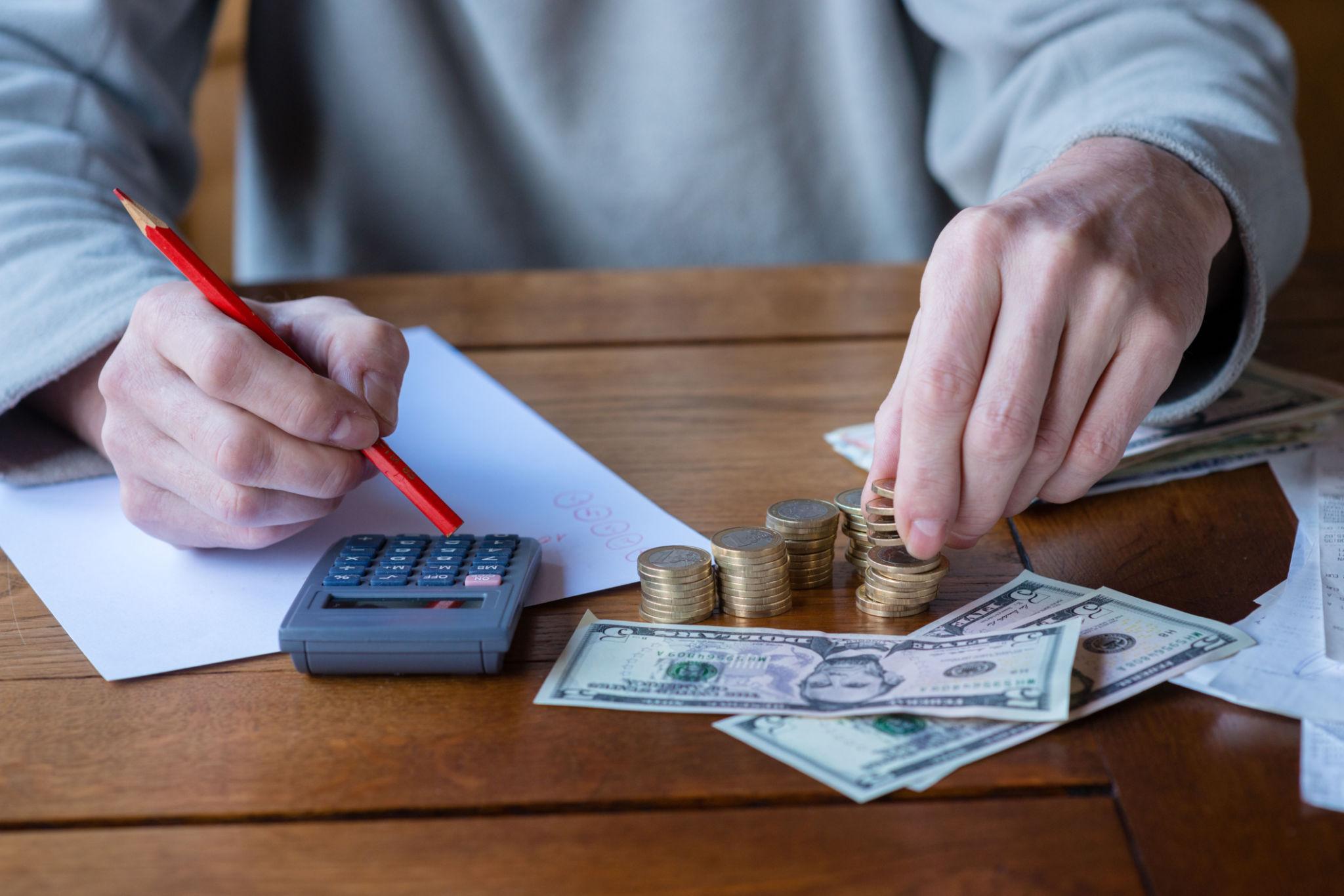


A few years ago I sat down and actually looked at my bank statement instead of just glancing at the balance. I found three subscriptions I forgot I had, a stack of late fees from bills I paid on the actual due date instead of before it, and about two hundred dollars in food I bought and never cooked before it went bad. None of that came from one big mistake. It came from dozens of tiny habits that quietly drained my time and money without me noticing.

That moment kind of embarrassed me. I work hard, I’m not careless with money on purpose, and yet somehow I was leaking cash and hours every single week. So I started paying attention. Not in some extreme budgeting way, just small adjustments here and there. A few months later the difference was obvious, both in my bank account and in how much less rushed my days felt.
This article walks through the habits that actually moved the needle for me. Nothing here requires a total lifestyle overhaul. Most of it takes less effort than what you’re already doing, just aimed in a slightly smarter direction.
Why Small Habits Matter More Than Big Changes

People love the idea of a dramatic reset. Sell everything, move to a cabin, start meal prepping like a bodybuilder. That stuff rarely sticks, and honestly, it doesn’t need to.
The habits that actually saved me time and money were boring. Setting up one automatic transfer. Keeping a running grocery list on my phone instead of guessing at the store. Small, repeatable actions add up in a way that one big burst of motivation never does.
There’s also a compounding effect most people underestimate. Saving fifteen minutes a day doesn’t sound impressive, but that’s almost two hours a week. Saving ten dollars here and there adds up to real money by the end of a year. The habits work quietly in the background, which is exactly why they’re easy to ignore and also why they’re worth building.
Morning Habits That Set the Tone
Prepping the Night Before
Mornings used to be chaos in my house. Missing socks, forgotten lunches, a coffee made in a rush and half spilled on the counter. Once I started prepping the night before, everything slowed down.
I lay out clothes, pack bags, and set the coffee maker on a timer the night before. It takes maybe ten minutes total. Those ten minutes save closer to twenty-five minutes the next morning, since nothing gets searched for at the last second.
Batch-Checking Messages Instead of Reacting All Day
I used to check email and texts constantly throughout the day, which felt productive but wasn’t. Checking messages in two or three set windows instead of nonstop actually got more done. Apps like Focus Mode on iPhone or the built-in Digital Wellbeing tool on Android help enforce this without much willpower involved.
Fewer interruptions mean fewer half-finished tasks. That alone saved me close to an hour most days, just from not constantly restarting my train of thought.
Money Habits That Actually Work

The 24-Hour Rule
Before buying anything over fifty dollars that isn’t a necessity, I wait 24 hours. Half the time, the urge fades completely. The other half, I still buy it, but with less impulse and more intention.
This single habit cut my random online shopping by a noticeable amount. Amazon makes buying dangerously easy, and that pause creates just enough friction to think clearly.
Automating Savings
I set up an automatic transfer that moves money into savings the same day my paycheck lands. It happens before I see the money in my main account, so I never really “miss” it.
Apps like Qapital or even a basic recurring transfer through your regular bank work here. The trick isn’t the app itself. It’s removing the decision entirely, since decisions are where good intentions usually break down.
Using Cashback and Grocery Apps
I started using Rakuten for online shopping and Ibotta for groceries, and the savings genuinely surprised me. Neither app requires much effort. You shop normally, scan a receipt or click through a link, and the cashback shows up over time.
It’s not going to replace a paycheck, but a hundred or so extra dollars a year for barely any effort is hard to argue with.
Meal Planning to Cut Food Waste
Throwing away spoiled food is basically throwing away cash. I started planning five dinners a week around what’s already in the fridge before buying anything new. This one habit cut my grocery bill noticeably within the first month.
Apps like Mealime or even a simple notes app work fine here. The planning itself matters more than the tool you use to do it.
Time-Saving Habits at Home

Batch Cooking on Weekends
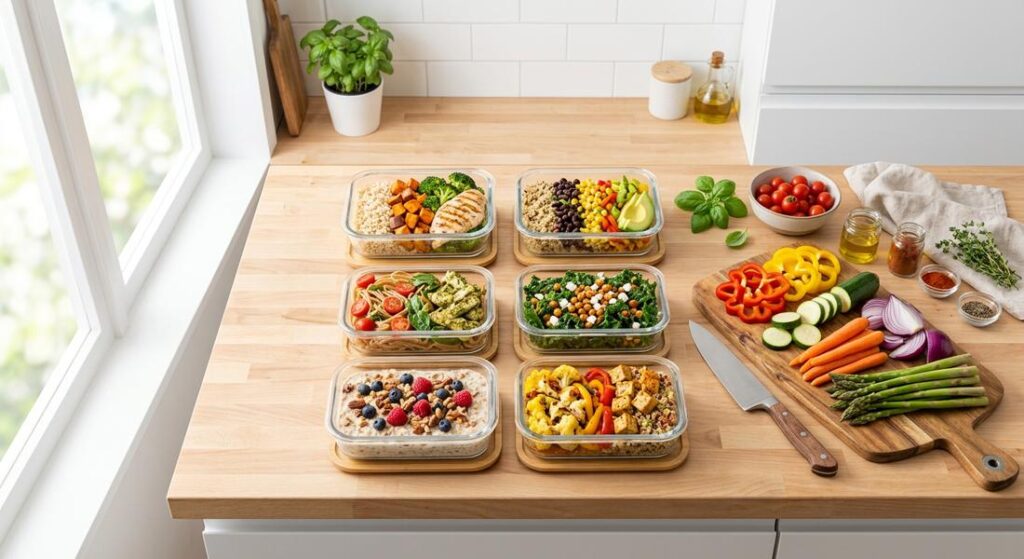
Cooking one meal every single night eats up more time than people realize. I started cooking larger batches twice a week and freezing portions. Sunday and Wednesday work for me, though any schedule works as long as it’s consistent.
A stack of labeled containers in the freezer means dinner some nights is just reheating instead of full cooking. That alone gives back a solid three or four hours a week.
The One-Touch Rule
This is a small mental trick that saved more time than I expected. Whenever I pick something up, whether it’s mail, dishes, or laundry, I try to only touch it once. Mail gets sorted immediately instead of piling up. Dishes go straight into the dishwasher instead of sitting in the sink first.
It sounds almost too simple to matter, but avoiding the “I’ll deal with it later” pile saves real time later in the week.
Digital Calendar Blocking
I used to keep a mental list of tasks, which meant constantly re-deciding what to do next. Blocking out specific chunks of time on Google Calendar for chores, errands, and even downtime removed that mental tax completely.
Seeing “laundry, 7 to 7:30” on the calendar makes it almost automatic. No internal debate required, which frees up energy for actual decisions that matter.
Habits for Errands and Shopping

Combining Errands Into One Trip
I used to run separate trips for groceries, the pharmacy, and random errands throughout the week. Grouping everything into one planned loop, usually on a Saturday morning, cut my driving time significantly.
Google Maps helps here too. Plugging in multiple stops shows the most efficient route instead of backtracking across town like I used to.
Buying in Bulk Strategically
Bulk buying only saves money on things you’ll actually use before they expire or go bad. I learned this after buying a massive bag of rice that sat in my pantry for over a year. Now I only bulk buy shelf-stable basics like pasta, canned goods, and cleaning supplies, things with a long shelf life and steady use.
Unsubscribing From Marketing Emails
Every promotional email is designed to create urgency around spending money. Unsubscribing from retail newsletters cut down on impulse buying more than I expected. Fewer “flash sale” emails means fewer moments of temptation showing up uninvited in my inbox.
Tools like Unroll.me can clean this up in one sitting instead of unsubscribing manually from dozens of lists.
Habits That Cut Monthly Bills
Reviewing Subscriptions Every Few Months
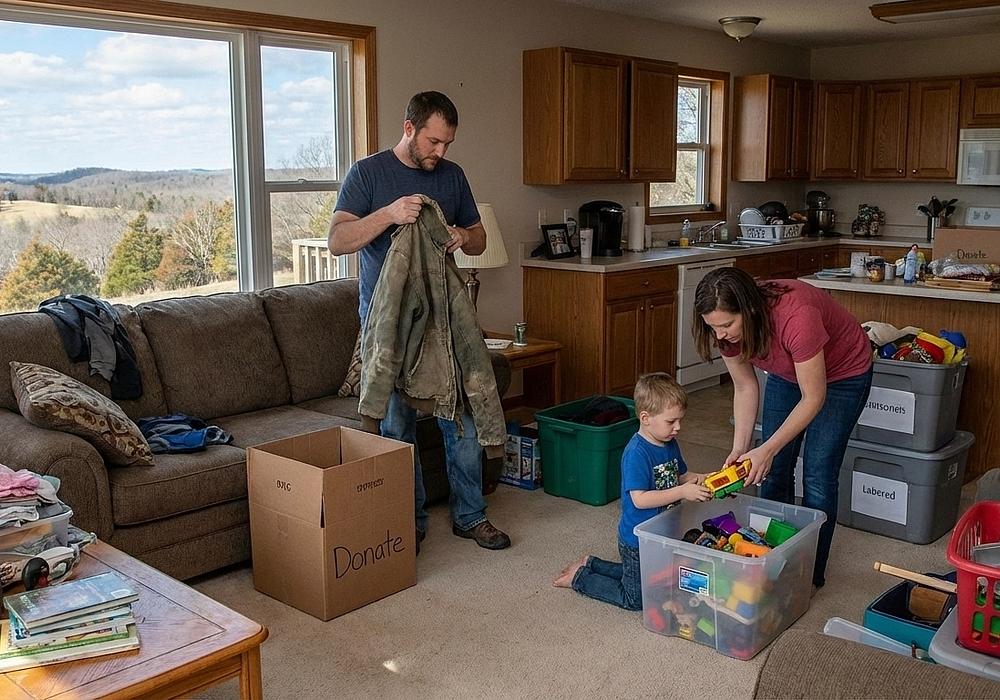
Subscriptions are sneaky. They start small, and then one day you’re paying for four streaming services you barely open. I now set a recurring reminder every three months to scroll through my bank statement and cancel anything I haven’t used.
Apps like Rocket Money can scan for recurring charges automatically, which catches things a quick manual scroll sometimes misses. The first time I ran it, I found a fitness app subscription I forgot existed for over a year.
Negotiating Bills Once a Year
Most people assume bills like internet or phone plans are fixed. They’re often not. Once a year, I call my internet provider and simply ask if there’s a better rate available. Sometimes there’s nothing. Other times they knock twenty or thirty dollars off the monthly bill just because I asked.
It feels awkward the first time. After doing it a few times, it becomes a quick ten-minute call that pays for itself many times over.
Small Energy Habits That Add Up
Unplugging devices that aren’t in use, switching to LED bulbs, and adjusting the thermostat by even a couple degrees sound minor individually. Together, they shaved a noticeable amount off my monthly utility bill.
A smart plug or two, something like a basic Kasa outlet, made this almost automatic. Devices switch off on a schedule instead of me remembering to do it manually every night.
Time-Saving Habits for Work and Errands
The Two-Minute Rule
If a task takes less than two minutes, I do it immediately instead of adding it to a list. Replying to a quick message, filing a document, or washing a single dish all fall into this category. Letting these tiny tasks pile up creates a mental backlog that feels far heavier than the tasks actually are.
Templates for Repetitive Work
I noticed I was typing out similar emails constantly, so I built a handful of templates for common replies. Tools like Gmail’s canned responses or a simple notes document work fine here. What used to take five minutes per email now takes thirty seconds of editing.
The same logic applies outside of work too. A repeated grocery list, a standard packing list for trips, or a saved reply for scheduling requests all remove decisions that don’t need to be made from scratch every time.
Setting a Timer for Small Tasks
Tasks without a clear endpoint tend to expand to fill whatever time you give them. Setting a fifteen-minute timer for things like tidying a room or clearing an inbox keeps the task contained. It also makes starting feel less overwhelming, since fifteen minutes feels manageable in a way that “clean the whole house” doesn’t.
Tech and Apps That Genuinely Help
A handful of tools made these habits easier to stick with long term.
YNAB, short for You Need A Budget, helped me actually see where money goes instead of guessing. It takes a bit of setup, but the visual breakdown makes spending patterns obvious fast.
Google Keep replaced a messy pile of sticky notes for grocery lists and quick reminders. Sharing lists with a partner or roommate also cuts down on duplicate purchases.
A basic slow cooker or Instant Pot turned batch cooking from a chore into something almost hands-off. Dump ingredients in, walk away, and dinner handles itself.
None of these tools are magic. They just remove small amounts of friction, and friction is usually what kills good habits before they become automatic.
Common Mistakes People Make
Mistakes With Money Habits
Trying to change everything at once tops the list. I tried once to overhaul my entire budget, cooking routine, and shopping habits in the same week. It lasted about four days before I burned out and went back to old patterns entirely.
Not tracking small purchases is another trap. Five dollars here and seven dollars there feels harmless in the moment, but it adds up fast without anyone noticing.
Buying discount items just because they’re on sale, even when you didn’t need them in the first place, cancels out the savings almost every time.
Mistakes With Time Habits
Overplanning the day down to the minute backfires more than people expect. Life doesn’t cooperate with rigid schedules, and one delay throws off everything after it. Leaving buffer time between tasks prevents that domino effect.
Multitasking instead of batching similar tasks together also wastes more time than it saves. Switching between different types of tasks constantly, like cooking and answering emails, actually slows both down.
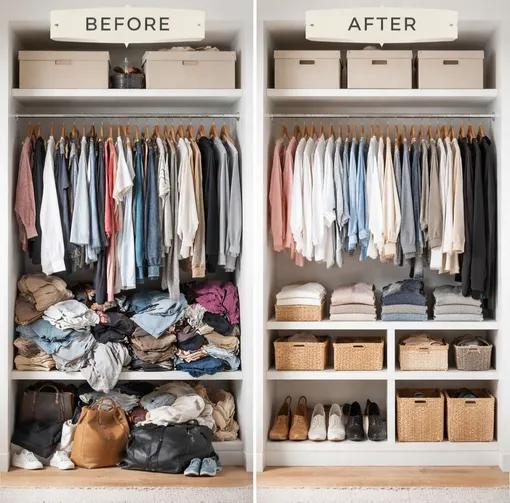
Ignoring small annoyances instead of fixing them creates ongoing time loss. A slow phone, a cluttered desk, or a disorganized pantry seem minor individually, but they cost small chunks of time every single day until they’re addressed.
Real Examples From My Own Week
Monday mornings used to be my worst day. Now clothes are laid out Sunday night, lunch is already packed from batch cooking, and my calendar already shows exactly what needs to happen. The whole morning takes half the time it used to.
Grocery shopping used to mean wandering the store without a plan, grabbing whatever looked good. Now I shop with a list built around a five-day meal plan, and I rarely leave with random extras I don’t need.
Even small things changed. Bills are on autopay now instead of me trying to remember due dates. That single change alone eliminated the late fees that used to show up almost every month.
Weekday evenings shifted too. Dinner used to mean staring into the fridge at 6 PM wondering what to make. Now it’s usually just reheating something from the weekend batch cook, which frees up almost an hour most nights for things I actually want to do.
Even my inbox looks different now. Unsubscribing from dozens of marketing lists means opening email doesn’t feel like wading through noise anymore. What used to take fifteen minutes to sort through most mornings now takes about three.
Habits Around Bigger Purchases
Researching Before Buying Anything Expensive
For anything over a couple hundred dollars, I now spend at least twenty minutes reading reviews and comparing prices across a few sites. Rushing into a big purchase because a sale looked good in the moment has burned me before, usually with a product that didn’t actually fit what I needed.
Sites like Consumer Reports or even a quick search through Reddit threads on the specific product often reveal issues that marketing pages conveniently leave out.
Buying Refurbished or Used When It Makes Sense
Electronics especially hold value that doesn’t always match their actual condition. Buying a refurbished laptop through a certified seller, or a gently used piece of furniture through Facebook Marketplace, has saved me hundreds of dollars over the years without any noticeable downside.
This doesn’t apply to everything. Mattresses and certain safety-related items are worth buying new. But plenty of categories, from tools to electronics to furniture, work perfectly fine secondhand.
Waiting for Known Sale Periods
Certain purchases are almost always cheaper at predictable times of year. Electronics tend to drop around Black Friday. Furniture often goes on sale during major holiday weekends. Knowing this in advance means holding off on non-urgent purchases until the timing works in my favor, rather than paying full price out of impatience.
Habits That Save Both Time and Money Together
Some habits hit both categories at once, which makes them worth prioritizing first.
Meal planning saves money on groceries and saves time deciding what to cook every single night. Automating bill payments saves the mental energy of tracking due dates and avoids late fees at the same time. Combining errands into one trip saves gas money and saves the hour or two that separate trips would have eaten up.
When a habit only saves time or only saves money, it’s still worth doing. But the habits that hit both tend to stick the longest, probably because the payoff shows up in two different ways instead of one, which makes the effort feel more obviously worth it.
None of these habits worked instantly. The first two weeks felt like extra effort layered on top of an already busy life. Somewhere around week three, things started feeling automatic instead of forced.
Pairing a new habit with something already established helped the most. Laying out clothes happened right after brushing my teeth, since that was already a fixed part of my evening. Reviewing subscriptions happened on the same day I paid rent, since that date was already locked into my memory.
Tracking progress mattered too, even loosely. A simple checkmark on a calendar for days a habit got done created enough motivation to keep going without turning it into a chore itself. Missing a day here and there didn’t derail anything, which took some pressure off compared to my earlier all-or-nothing attempts.
Getting Family or Roommates on Board
Sharing the System Instead of Owning It Alone
Habits fall apart fast when only one person in a household follows them. I learned this after weeks of careful meal planning got undone by a roommate ordering takeout and letting planned ingredients go bad. Getting everyone loosely on the same page made a noticeable difference.
A shared grocery list through Google Keep or a similar app means nobody duplicates purchases or forgets something already planned. A quick five-minute conversation at the start of the week about who’s cooking what, and when errands are happening, prevents a lot of overlap and wasted trips.
Splitting Tasks by Strength, Not Evenly
Trying to split every habit exactly fifty-fifty usually backfires. One person might genuinely enjoy meal planning while another prefers handling bills and subscriptions. Letting each person own the habit they’re naturally better at, or simply don’t mind doing, keeps the whole system running smoother than forcing an even split that nobody actually sticks to.
Kids can even get involved in small ways, like helping sort mail or checking off a chore chart. It’s less about efficiency at that point and more about building the same habits early, so they don’t have to learn all of this the hard way later like I did.
How Long Before It Actually Feels Easy
People often ask how long these habits take to feel automatic instead of forced. For me, it varied by habit. Small ones, like laying out clothes, felt natural within a week. Bigger ones, like meal planning, took closer to a month before I stopped needing to think through every step.
Research on habit formation generally points to somewhere between three and ten weeks depending on the complexity of the habit and how consistently it’s repeated. That range matches my own experience closely enough that I stopped worrying about hitting some exact number of days and just focused on repeating the habit as consistently as I could manage.
Final Thoughts
None of these habits are exciting on their own. Nobody brags about setting up autopay or laying out clothes the night before. But stacked together, they quietly gave me back hours every week and noticeably more money at the end of each month.
The version of me who used to scroll through spoiled groceries and unexpected late fees wasn’t lazy or bad with money. That version just hadn’t built the small systems that make good decisions automatic instead of effortful.
Start with one habit from this list, not all of them at once. Maybe it’s the 24-hour rule, maybe it’s meal planning, maybe it’s just laying out clothes the night before. Give it two weeks before adding another.
Small, boring, repeatable actions beat dramatic overhauls almost every time. Eventually they stop feeling like effort at all. They just become how you live, and that’s really the whole point. The goal was never a perfect system. It was just a little more time and a little more money, week after week, without much extra thought required.