


My chiropractor asked me a question a couple years ago that caught me off guard. She asked how many hours a day I spent looking down at my phone. I laughed it off and guessed two, maybe three. She pulled up an X-ray of my neck, pointed at a curve that wasn’t supposed to be there, and told me the real number was probably closer to five or six once I counted scrolling, texting, and reading in bed.
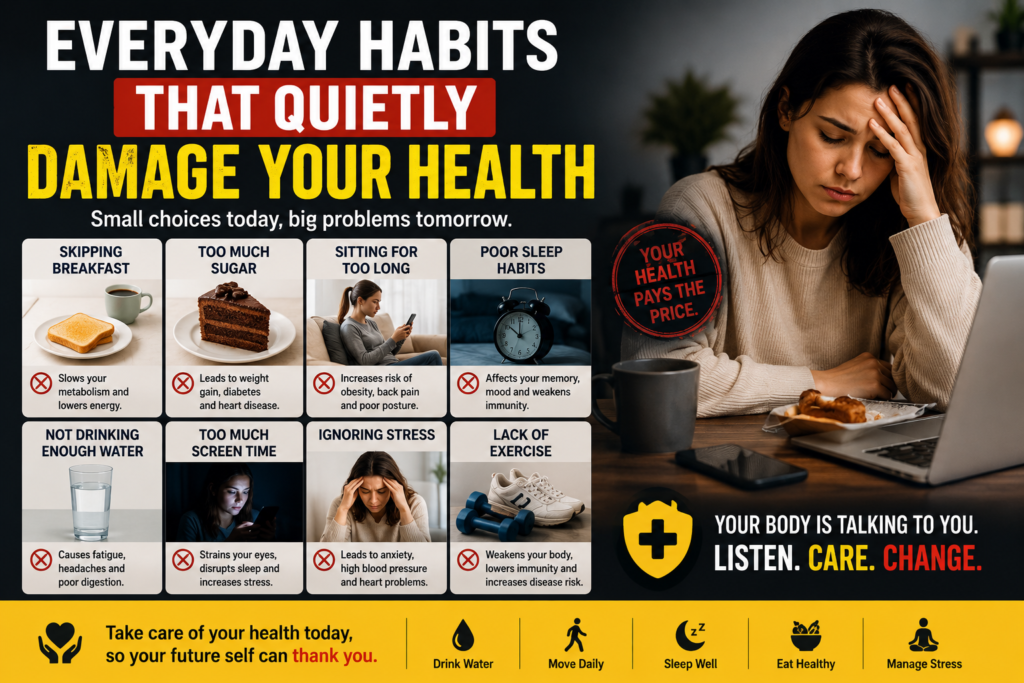
I wasn’t sick. I wasn’t in obvious pain most days, just a dull ache between my shoulder blades that I’d chalked up to my desk chair. Nothing about my daily routine felt reckless or unhealthy. That’s exactly what made the conversation unsettling. The damage wasn’t coming from one dramatic decision. It was coming from a dozen small habits I’d never questioned because none of them felt harmful in the moment.
That appointment sent me down a rabbit hole of paying attention to the small stuff instead of just the obvious health advice everyone already knows, like eating vegetables or exercising more. This article covers what I found, including a few habits I still catch myself doing despite knowing better.
Why the Small Stuff Gets Ignored
Big health decisions get attention because they feel significant. Quitting smoking, starting a workout routine, cutting out soda. Those changes announce themselves.
Quiet habits don’t work that way. Sitting with your legs crossed for an hour doesn’t hurt today. Clenching your jaw during a stressful meeting doesn’t hurt today either. The damage from habits like these accumulates slowly enough that cause and effect become nearly impossible to connect without someone pointing it out, the way my chiropractor did with that X-ray.
Dr. Kelly Starrett, a physical therapist who’s written extensively about posture and movement, has talked about how modern life essentially trains bodies into positions they weren’t built to hold for extended periods. Nobody decided to damage their posture on purpose. It happened through years of small, repeated choices that each felt harmless individually.
That’s the pattern running through every habit on this list. None of them are dramatic. All of them add up.
None of what follows is meant as a diagnosis or a substitute for an actual doctor, dentist, or physical therapist looking at your specific situation. Think of this more as a list worth checking yourself against, the same way a friend with more awareness of this stuff might nudge you to notice something you’d otherwise walk past every single day without a second thought.
The Habits Worth Actually Paying Attention To
Tech Neck From Constant Phone Scrolling
Looking down at a phone screen puts significantly more strain on the neck than looking straight ahead does. Research published through physical therapy journals has estimated that tilting your head forward even a moderate amount multiplies the effective weight your neck muscles support, compared to a neutral head position.
I noticed this firsthand once I started paying attention to how I actually held my phone during a normal day. Scrolling during breakfast, head down. Answering messages walking to the mailbox, head down. Reading in bed before sleep, head down at an even sharper angle than usual.
The fix isn’t complicated, just inconvenient at first. Raising your phone closer to eye level, even just holding it a bit higher than usual, reduces that forward tilt considerably. I also started propping my phone against a water bottle or a book while texting at my desk instead of holding it low in my lap, which sounds minor but noticeably reduced that between-the-shoulder-blades ache within a couple of weeks.
Shallow Chest Breathing Instead of Belly Breathing
Most adults breathe shallowly through their chest rather than fully engaging the diaphragm, especially during stressful moments or while sitting hunched at a desk. Shallow breathing keeps the body in a mildly activated stress state more often than people realize, since deep diaphragmatic breathing is what actually triggers the parasympathetic nervous system to calm down.
I only noticed my own shallow breathing pattern after trying a guided breathing exercise through the Calm app during a particularly stressful work week. Following the prompt to breathe into my stomach rather than my chest felt oddly difficult at first, like a movement pattern I’d forgotten how to do.
Practicing belly breathing for even a couple minutes a few times a day retrains this over time. Lying down with a hand on your stomach and focusing on making that hand rise, rather than your chest, is the simplest way to notice the difference between the two patterns.
Holding Your Bladder Longer Than You Should
This one sounds almost too basic to mention, but chronically holding urine for extended periods, which happens constantly during back to back meetings or long stretches of focused work, can weaken bladder muscles over time and has been linked to increased risk of urinary tract infections, according to urologists who study this specifically.
I used to treat bathroom breaks as an interruption to productivity, something to delay until a natural pause in the workday showed up. Reframing a bathroom break as a non negotiable part of the schedule, the same as a meeting, fixed a habit I didn’t realize I’d built entirely around convenience rather than actual need.
Clenching Your Jaw Without Noticing

Stress tends to show up in the jaw before it shows up anywhere else for a lot of people, myself included. Dentists frequently mention this specific pattern, since worn tooth enamel and jaw soreness often reveal a clenching habit patients weren’t consciously aware of.
My dentist actually caught this before I did, mentioning flattened spots on my molars during a routine cleaning and asking if I dealt with much stress or ground my teeth at night. I hadn’t noticed either, until I started checking my jaw during the day and realized it was clenched almost constantly while reading emails.
A simple habit that helped was setting a few random phone reminders throughout the day just asking “where’s your tongue right now.” A relaxed mouth naturally rests with the tongue on the roof of the mouth and teeth slightly apart, and that quick check interrupted the clenching pattern enough times a day to make a real difference within a month or so.
Sitting for Hours Without Moving
This one gets talked about constantly, yet knowing it’s a problem and actually fixing it are two different things. Prolonged sitting has been associated with a range of health concerns beyond just posture, including circulation issues, since long periods without movement slow blood flow through the legs significantly.
I tried a standing desk for a while and honestly didn’t love standing all day either, since that creates its own strain in different places. What actually worked better was a simple timer, using an app called Stand Up, that nudges me to get up and move for even just sixty seconds every half hour or so.
Small movement breaks, even just walking to refill a water glass, seem to matter more than the specific sitting versus standing debate that gets so much attention.
Scrolling on Your Phone Right Before Bed
Screen exposure before sleep, particularly the blue light emitted by phones and tablets, has been shown in sleep research to suppress melatonin production, the hormone responsible for signaling to your body that it’s time to wind down.
I used to scroll for a solid thirty minutes after getting into bed, telling myself it helped me relax when it almost certainly did the opposite. Switching to reading an actual book, or using the night mode setting most phones now include which shifts the screen toward warmer tones, made falling asleep noticeably faster within about a week of consistent use.
Apps like the built in Night Shift setting on iPhones or Night Light on Android handle this automatically now, though the bigger fix honestly came from just putting the phone across the room instead of on the nightstand.
Listening to Everything at Full Volume
Earbuds have made it incredibly easy to listen at volumes that damage hearing gradually without any obvious warning signs until the damage is already done. Audiologists generally recommend keeping volume below 60 percent of maximum and taking breaks during extended listening sessions, since prolonged exposure to loud sound, even through small earbuds, contributes to hearing loss over time.
I genuinely had no idea how loud I typically listened until a hearing test at a routine checkup flagged early signs of strain specifically in the frequency range associated with headphone use. That appointment changed how I think about volume levels entirely.
Most phones now include a setting that warns you when headphone volume crosses a recommended threshold, and turning that feature on is a five second fix that costs nothing.
Skipping Water in Favor of Just Coffee

Coffee counts toward daily fluid intake, contrary to older advice suggesting otherwise, but relying on caffeine as your primary source of hydration throughout the day still tends to leave people mildly dehydrated more often than they realize, especially combined with caffeine’s mild diuretic effect in higher doses.
My personal habit was three cups of coffee before noon and maybe one glass of actual water the entire day. Headaches by early afternoon felt normal to me until I started tracking water intake with a simple app called WaterMinder and realized the headaches disappeared almost entirely once I hit a reasonable daily water target.
Skipping Breakfast and Running on Caffeine Alone
For years my morning routine consisted of two coffees and nothing else until lunch, which I justified as intermittent fasting even though I wasn’t actually following any structured approach, just skipping food out of habit and calling it a strategy.
The problem showed up as a predictable energy crash around ten in the morning, followed by reaching for something sugary to compensate, which created a cycle of spikes and crashes that felt like normal daily fatigue rather than a pattern I was creating myself. A doctor eventually pointed out that my energy complaints lined up almost exactly with typical blood sugar swings from that kind of morning routine.
Adding even a small amount of protein, like eggs or plain yogurt, before the second cup of coffee smoothed that crash out considerably within about a week. This isn’t a claim that skipping breakfast is universally harmful, since eating windows are a personal and sometimes medically guided choice, but running on caffeine alone while ignoring the resulting energy crashes was the specific pattern quietly working against me.
Cracking Your Knuckles and Ignoring Small Joint Habits
This one turned out to be more myth than I expected, worth mentioning specifically because misinformation around it is so common. Research, including a frequently cited study by a doctor who cracked the knuckles on only one hand of his for over sixty years, hasn’t found strong evidence that knuckle cracking itself causes arthritis, despite the popular warning.
What does seem to matter more is repetitive strain from other habits nearby, like resting wrists at an awkward angle on a keyboard for hours, or gripping a phone tightly during long scrolling sessions. I’d spent more energy worrying about knuckle cracking than about the far more relevant habit of typing with my wrists bent upward for years, which a physical therapist eventually flagged as the more likely contributor to occasional wrist soreness.
A simple wrist rest and adjusting keyboard height slightly lower solved more discomfort than giving up a habit that the evidence doesn’t actually support avoiding.
Showering Too Hot for Too Long
Hot showers feel good, especially during colder months, but dermatologists frequently mention that excessively hot water strips natural oils from skin faster than warm water does, contributing to dryness and irritation over time, particularly for anyone already dealing with sensitive skin or eczema.
I ran showers hotter than necessary for years simply because it felt more relaxing, not realizing the flaky patches I dealt with every winter were partly self inflicted rather than purely a seasonal weather issue. Lowering the temperature slightly and shortening shower length by even a few minutes made a noticeable difference in how my skin held up through a full winter season.
Step by Step: Catching These Habits Before They Add Up
Here’s the process that actually worked for me, rather than just reading a list and forgetting about it within a week.
Step one: pick one habit from this list that sounds the most familiar, rather than trying to fix everything simultaneously. Trying to overhaul six habits at once is how most people abandon all six within a few days.
Step two: set a single small reminder tied to that one habit. A phone alarm for water, a sticky note near your desk about jaw tension, whatever creates a natural pause point during your day.
Step three: track it for one week without judging yourself for how bad the habit turns out to be. Awareness comes first, correction comes second.
Step four: make the smallest possible adjustment rather than an ambitious one. Raising your phone slightly is easier to sustain than committing to never looking at your phone below eye level again.
Step five: revisit after two weeks and notice whether anything physically feels different, whether that’s less neck tension, fewer headaches, or better sleep.
Step six: add a second habit only once the first one feels close to automatic, rather than stacking changes before the first one sticks. Most of these habits took somewhere between two and four weeks to feel noticeably different, which is worth knowing upfront so a slow first week doesn’t feel like proof the approach isn’t working.
Real Scenarios From My Own Routine
The Desk Setup That Was Quietly Wrecking My Shoulders
My monitor sat slightly too low for months, which meant I was tilting my chin down constantly without noticing, similar to the tech neck pattern from scrolling but happening for eight hours a day instead of just during phone use. Raising the monitor with a simple stand, roughly to eye level, reduced a persistent shoulder ache within about two weeks, faster than any stretching routine I’d tried before that.
The Bedtime Scroll That Wasn’t Actually Relaxing
I genuinely believed scrolling before bed helped me unwind, right up until I tracked my sleep for a month using the sleep tracking feature on my Fitbit and noticed a clear pattern. Nights with heavy phone use before bed consistently showed more restless periods overnight compared to nights I read an actual book instead. Seeing the data laid out removed any doubt that the habit was helping.
The Coffee Habit That Was Causing My Afternoon Headaches
For over a year I assumed my regular early afternoon headaches were just a normal part of a busy schedule. Increasing water intake specifically, without changing anything else about my diet or workload, resolved most of those headaches within about ten days, which honestly felt too simple to be the actual cause after assuming it was something more complicated.
Common Mistakes People Make Trying to Fix These Habits
Trying to change too many habits at once, which usually results in abandoning all of them within the first week out of sheer mental fatigue.
Assuming a habit doesn’t matter because it doesn’t cause immediate, obvious pain, when the damage from most of these patterns builds gradually over months or years rather than showing up right away.
Relying purely on willpower instead of environmental reminders like phone alarms, sticky notes, or apps designed specifically to interrupt a pattern at the right moment.
Ignoring professional feedback, like a dentist mentioning jaw clenching or a doctor mentioning posture, because the observation didn’t come paired with an urgent diagnosis.
Overcorrecting instead of adjusting gradually, such as switching from complete phone dependence at bedtime to a strict no screens rule overnight, which rarely sticks compared to a gradual reduction.
Comparing your own pace of change to someone else’s, especially online, when the actual goal is just noticing your own patterns clearly enough to make one small adjustment at a time. Progress here tends to look boring rather than dramatic, which is exactly why it works better long term than a habit change loud enough to post about.
Final Thoughts
That chiropractor appointment ended up being one of those small moments that quietly changed a lot of daily habits I’d never questioned before. Nothing about my routine looked unhealthy from the outside. I wasn’t skipping meals or avoiding exercise entirely. The damage was hiding in details too small to notice without someone pointing directly at an X-ray and asking the right question.
Most of the fixes here took less effort than I expected once I stopped trying to overhaul everything simultaneously. A slightly raised phone. A glass of water before the second cup of coffee. A reminder to unclench a jaw that had been tight for years without my noticing.
None of these changes required a dramatic lifestyle overhaul. They just required paying attention to the parts of a normal day that usually go completely unnoticed.
If there’s one thing worth taking from all this, it’s that the body tends to send small signals long before it sends loud ones. A dull ache, a recurring headache, a flattened spot on a molar. None of those show up as an emergency, which is exactly why they’re so easy to ignore for years at a stretch. Catching them early doesn’t require expensive equipment or a complete routine overhaul, just enough attention to notice what a normal day is actually asking of your body, rather than assuming everything is fine simply because nothing feels urgent yet.